
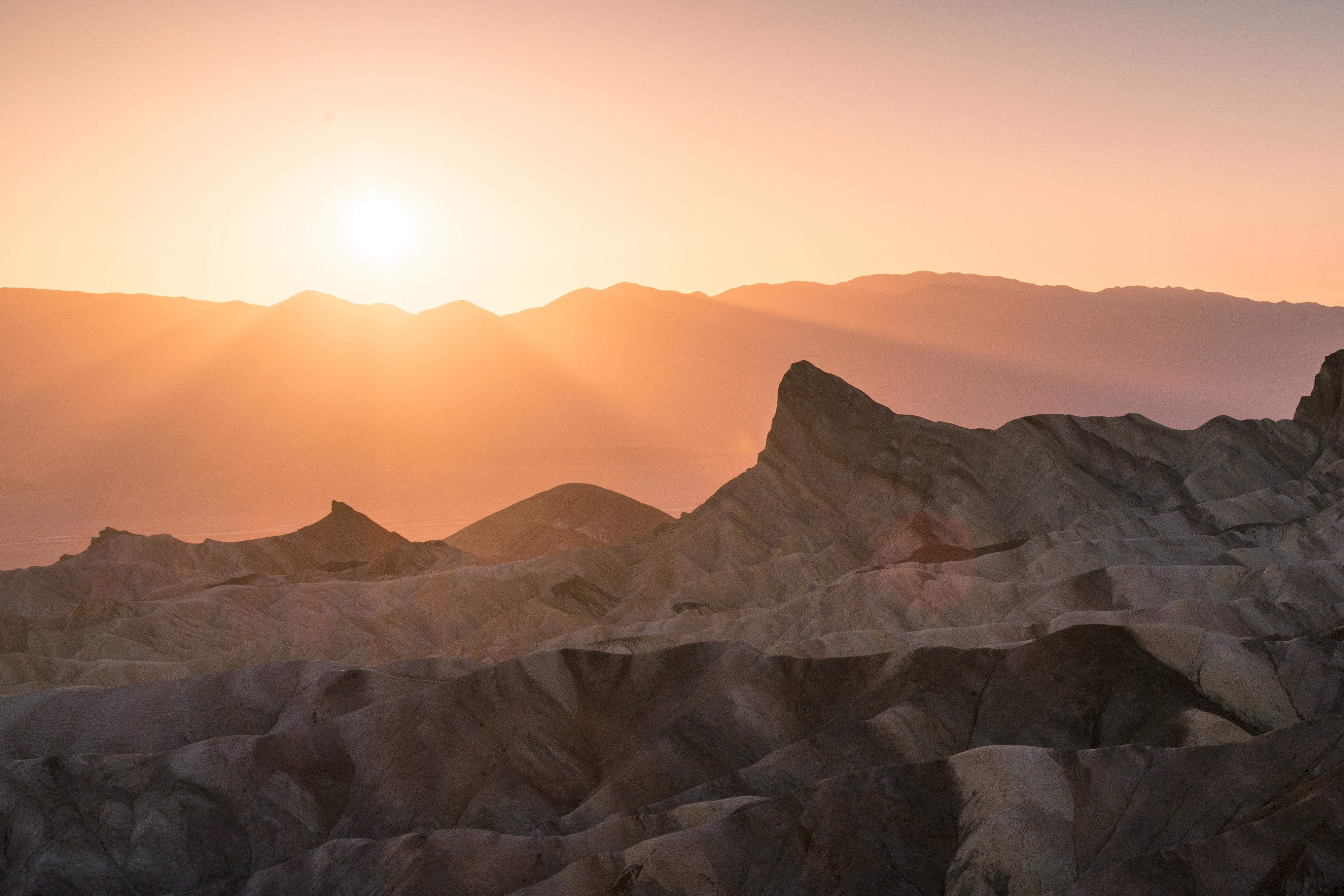
The right place to stay in Death Valley National Park depends mostly on how much heat and driving distance you're willing to trade for convenience, since the park spans over 3.4 million acres across California and Nevada with only a handful of lodging clusters inside it. Most visitors choose between three in-park options — Furnace Creek, Stovepipe Wells, or Panamint Springs — or a gateway town just outside the boundary.
Where should I stay inside Death Valley National Park?
Furnace Creek is the park's hub and the most convenient base. The Oasis at Death Valley complex here includes the historic Inn at Death Valley (upscale, spring-fed pool) and the more affordable, family-friendly Ranch at Death Valley. You're minutes from the park visitor center, a gas station, general store, and golf course — useful given how far the next services are.
Stovepipe Wells Village, about 25 miles northwest of Furnace Creek, is a smaller, more budget-friendly motel with a pool, general store, and gas pumps. It sits closer to Mesquite Flat Sand Dunes and the park's west-side hikes, making it a good pick if you're prioritizing that side of the park.
Panamint Springs Resort sits near the park's far western edge, roughly 30 miles from most central sights. It's the quietest option, with rustic cabins, tent sites, and RV hookups, and puts you closer to Panamint Dunes and less-crowded overlooks — a tradeoff worth making if you'd rather skip the crowds than minimize driving.
What are the best gateway towns near Death Valley?
Beatty, Nevada is the closest town to the park's eastern entrance, about 8 miles from the boundary. It has budget motels, gas, and food that's typically cheaper than in-park options, plus a couple of casino-hotels.
Lone Pine, California works well if you're combining Death Valley with the eastern Sierra — it sits on the park's west side with Mount Whitney views, more restaurant variety, and easy access to Alabama Hills.
Pahrump, Nevada, about 60 miles from Furnace Creek, has the most hotel chains and services of any nearby town, making it a reasonable base if you want modern amenities and don't mind a longer drive into the park each day.
Where should I camp in Death Valley?
Furnace Creek Campground is the park's only reservable campground and the closest to services, but it sits below sea level and gets brutally hot outside of winter. Texas Spring and Sunset campgrounds nearby are first-come, first-served. For cooler nights, Wildrose and Thorndike campgrounds sit at 4,000 to over 8,000 feet elevation, making them viable even in warmer months. Mesquite Spring, in the park's quieter north end, is a good option if you want fewer neighbors.
When should I book Death Valley lodging?
Summer temperatures in the valley routinely exceed 120°F, so the vast majority of visitors come between October and April. Book Furnace Creek and Stovepipe Wells rooms two to three months ahead for winter holidays and spring break, and don't underestimate shoulder months — October and April fill up nearly as fast as the winter peak. Check the current-year park alerts before you go, since road and facility closures do happen.
FAQ
Is it better to stay in Furnace Creek or Stovepipe Wells?
Furnace Creek has more services and a wider range of room types, while Stovepipe Wells is generally less expensive and sits closer to the sand dunes and west-side trailheads. Neither is a bad choice — it comes down to budget and which side of the park you'll spend more time on.
Can I stay outside Death Valley and still see the main sights?
Yes. Beatty and Lone Pine both put you within about an hour of most major viewpoints, and Beatty in particular is a common budget base for the eastern half of the park.
Is camping in Death Valley safe in summer?
Camping on the valley floor is genuinely risky in summer because of extreme heat; rangers advise against it. Higher-elevation campgrounds like Wildrose are a safer option if you're visiting outside the cooler October–April window.
How far in advance should I book?
For winter holidays and spring break, two to three months ahead is a reasonable minimum for in-park lodging. Shoulder-season weekends can also sell out a month or more in advance, so it's worth booking as soon as your dates are firm.
For more on timing your trip, see our guide to the best time to visit Death Valley, and pair your stay with the park's best hikes or a one-day itinerary. Comparing options? See Death Valley vs. Joshua Tree. Browse more parks in California and Nevada, or explore the full parks directory.