
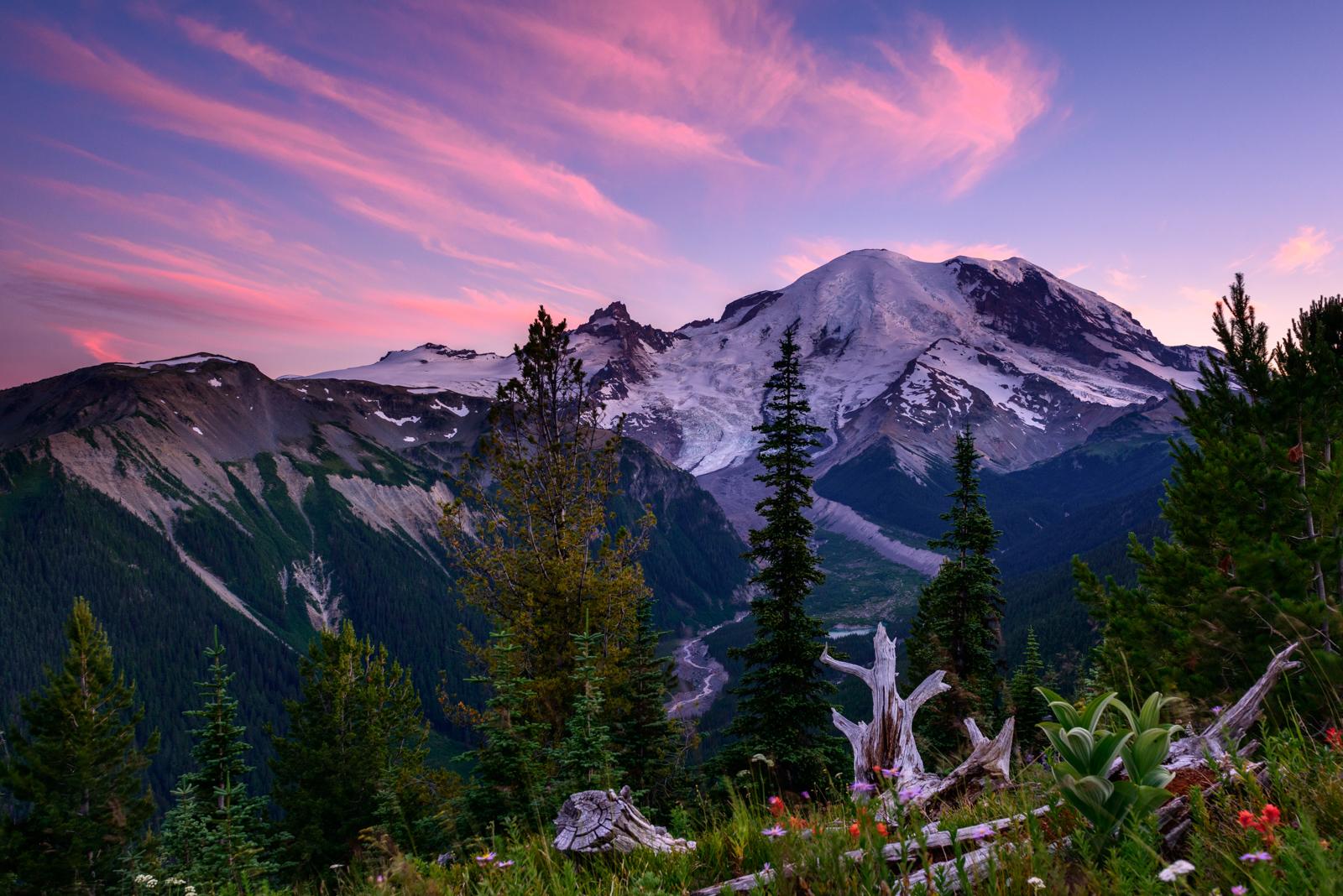
The best national parks near Spokane place travelers within striking distance of some of the most spectacular mountain scenery in the country, from glacier-carved peaks to volcanic giants. Spokane sits in eastern Washington, roughly midway between the northern Rockies and the Cascades, so a short road trip in either direction lands you in world-class wilderness. With an early start and a night or two on the road, all of these parks are within reach.
Which national parks are closest to Spokane?
The three standouts are Glacier National Park east in Montana, North Cascades National Park west in Washington, and Mount Rainier National Park to the southwest. Farther afield, Olympic National Park rewards travelers willing to cross the state. Each showcases a completely different corner of the Pacific Northwest.
How far is Glacier from Spokane?
Glacier National Park is roughly a four-and-a-half-hour drive east, making it a weekend trip rather than a day out. It is arguably the crown jewel of the northern Rockies, with the famous Going-to-the-Sun Road threading past turquoise lakes, hanging valleys, and alpine passes. Give yourself at least two full days to drive the road, hike to Hidden Lake or Avalanche Lake, and watch for mountain goats and bighorn sheep along the high country trails.
Is North Cascades worth the drive?
North Cascades sits about five hours west of Spokane and is one of the least crowded major parks in the lower forty-eight. Jagged peaks, hanging glaciers, and the electric-blue waters of Diablo Lake define the landscape. The North Cascades Highway carries you through the heart of the range, with numerous pullouts and trailheads. Because it is so quiet, it rewards travelers who want dramatic scenery without the crowds of better-known parks.
What about Mount Rainier?
Mount Rainier is around five to six hours southwest, anchored by a 14,410-foot glaciated volcano that dominates the skyline. In summer, the meadows at Paradise erupt with wildflowers, and trails like the Skyline Loop deliver close-up views of the mountain and its glaciers. Sunrise, on the eastern side, offers the highest road-accessible viewpoint. It makes an excellent multi-day trip, often combined with a wider Cascades loop.
When is the best time to visit?
July through September is the prime window, when high-country roads like Going-to-the-Sun and the North Cascades Highway are fully open and wildflowers peak. Snow lingers at elevation well into summer, and mountain roads close in the colder months. Always check the current-year road, fee, and reservation conditions before you set out, since several of these parks now use timed-entry systems during peak season.
Where should you stay overnight?
For Glacier, West Glacier and Whitefish offer the closest lodging, along with historic in-park lodges. Near North Cascades, the small towns of Winthrop and Marblemount make good bases. For Mount Rainier, Ashford sits right outside the Nisqually entrance. Book early in summer, as rooms and campsites near all of these parks fill quickly during the short peak season.
How should you plan your trip?
Pick a direction based on your interests: east to the Rockies for Glacier, or west to the Cascades for Rainier and North Cascades. Give any single park at least two days, reserve timed entry and lodging ahead, and carry layers and rain gear, since mountain weather changes fast even in midsummer.
FAQ
Can you day-trip to a national park from Spokane?
Not comfortably. The nearest major parks are four to five hours away, so plan at least one overnight to make the drive worthwhile.
Do these parks require reservations?
Requirements vary and change annually. Glacier and Mount Rainier have used timed-entry vehicle reservations in peak season, so check the current-year rules before you travel.
What pass covers entry?
The America the Beautiful pass covers entrance at all of these parks and pays for itself quickly if you plan more than a couple of visits in a year.