

National Park · Washington
Olympic National Park
Olympic is three parks in one: a glaciated alpine range, 70 miles of wild Pacific coastline, and the temperate rainforest of the Hoh. You can stand in moss-draped old-growth in the morning and watch sea stacks at sunset. No other park does this.
Best time to visit
July through September for reliable weather. The rainforest is, predictably, wet — winter sees 12+ feet of rain in the Hoh. Wildflowers at Hurricane Ridge peak late July.
How long you need
Four days minimum to hit all three ecosystems without driving like a maniac.
Don't miss
- Hurricane Ridge for the Olympic Range panorama
- Hoh Rain Forest Hall of Mosses loop
- Rialto Beach to Hole-in-the-Wall (check tides)
- Sol Duc Falls and the hot springs
- Ruby Beach at sunset
What people get wrong
Trying to see everything from one base. The park has no through-road — you drive around the perimeter on US-101. Plan a counter-clockwise loop with at least two different lodging stops.
About Olympic National Park
With its incredible range of precipitation and elevation, diversity is the hallmark of Olympic National Park. Encompassing nearly a million acres, the park protects a vast wilderness, thousands of years of human history, and several distinctly different ecosystems, including glacier-capped mountains, old-growth temperate rain forests, and over 70 miles of wild coastline. Come explore!
Things to do
- Astronomy
- Stargazing
- Biking
- Road Biking
- Boating
- Camping
- Backcountry Camping
- Car or Front Country Camping
- Horse Camping (see also Horse/Stock Use)
- Group Camping
- RV Camping
- Climbing
- Mountain Climbing
- Fishing
- Freshwater Fishing
- Fly Fishing
- Saltwater Fishing
- Food
- Dining
- Picnicking
- Guided Tours
- Self-Guided Tours - Auto
- Hands-On
- Citizen Science
Weather & when to go
Summers tend to be fair and warm, with high temperatures between 65 and 75 degrees F. July, August and September are the driest months, with heavier precipitation during the rest of the year. While winters are mild at lower elevation, snowfall can be heavy in the mountains. It is common for different weather conditions to exist within the park at the same time. At any time of year, visitors should come prepared for a variety of conditions.
Entrance fees
Entrance - Private Vehicle
Valid for seven consecutive days. Applies to private, non-commercial vehicles (15 passenger capacity or less). The pass covers all vehicle occupants.
$30.00
Entrance - Motorcycle
Valid for 7 days. Admits up to 2 private, non-commercial motorcycles with up to 4 total passengers.
$25.00
Entrance - Per Person
Valid for seven consecutive days. This fee admits one person without a vehicle, including hikers, bicyclists, and pedestrians. Individuals fifteen years or younger are admitted free of charge.
$15.00
Commercial Entrance - Van
A commercial tour is defined as persons traveling on an itinerary that has been packaged, priced or sold for leisure recreational purposes by an organization that realizes financial gain through the provisions of the service.
$75.00
Commercial Entrance - Mini-bus
A commercial tour is defined as persons traveling on an itinerary that has been packaged, priced or sold for leisure recreational purposes by an organization that realizes financial gain through the provisions of the service.
$100.00
Commercial Entrance - Motor Coach
A commercial tour is defined as persons traveling on an itinerary that has been packaged, priced or sold for leisure recreational purposes by an organization that realizes financial gain through the provisions of the service.
$200.00
Operating hours
Olympic National Park
Olympic National Park is open 24 hours a day year-round, although some roads, campgrounds and facilities are open seasonally.
Campgrounds
Queets Campground
South Beach Campground
Staircase Campground
Hoh Campground
North Fork Campground
Mora Campground
Ozette Campground
Heart O' the Hills Campground
Kalaloch Campround
Graves Creek Campground
Fairholme Campground
Deer Park Campground
FAQ
- Can I drive across the park?
- No. There's no road through the interior. US-101 circles the peninsula and spurs run inland to each major area.
- Where should I stay?
- Port Angeles for the north (Hurricane Ridge), Forks or Kalaloch for the coast and rainforest, Lake Quinault for the south.
- Do I need a tide chart?
- Yes. Several coastal hikes are impassable at high tide and the National Weather Service rangers will tell you horror stories. Free tide charts at any visitor center.
Related guides
Trip plans and deep-dives from the PeepTrip blog featuring Olympic National Park.
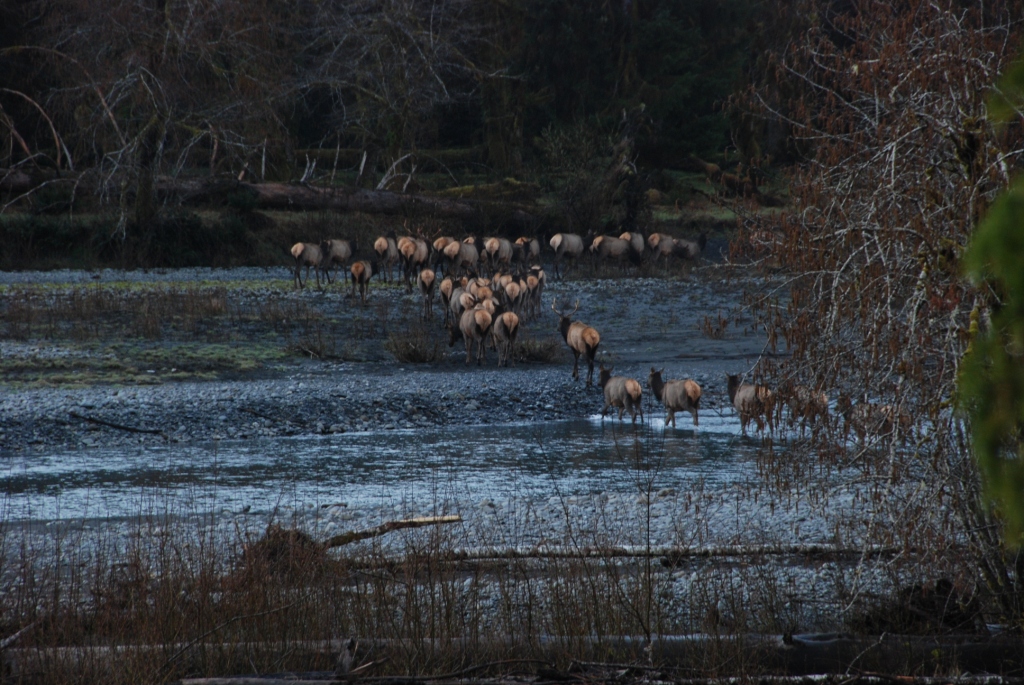
Where to Stay in Olympic National Park: Best Areas
Olympic National Park splits into mountain, coast, and rainforest regions with no connecting road — here's which gateway town to book for each.
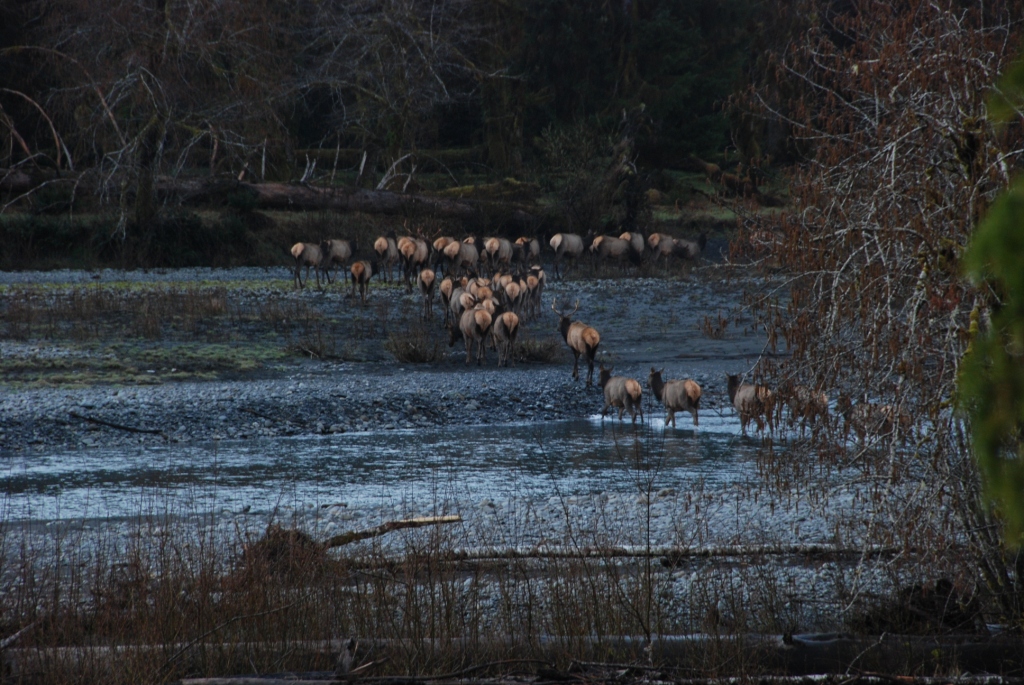
One Day in Olympic National Park: Perfect Itinerary
Olympic has three ecosystems and no road across the middle. Here is how to pick one lane and actually enjoy a single day.
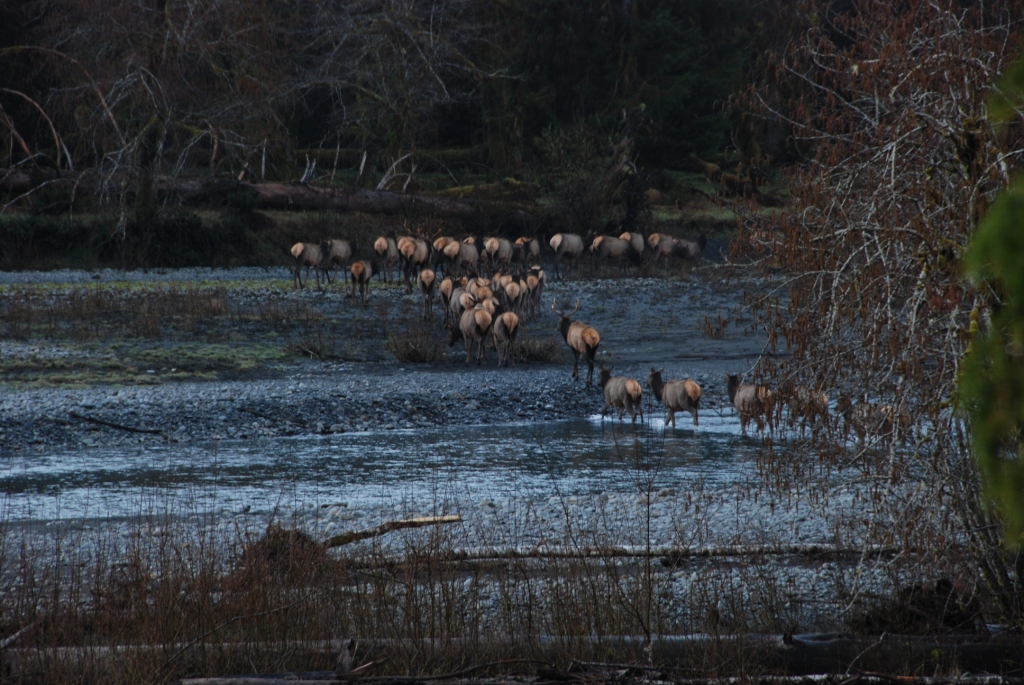
Best Time to Visit Olympic National Park
A month-by-month guide to Olympic National Park, covering the rain shadow, Hurricane Ridge road closures, coastal tides, and when each of the park’s three ecosystems peaks.
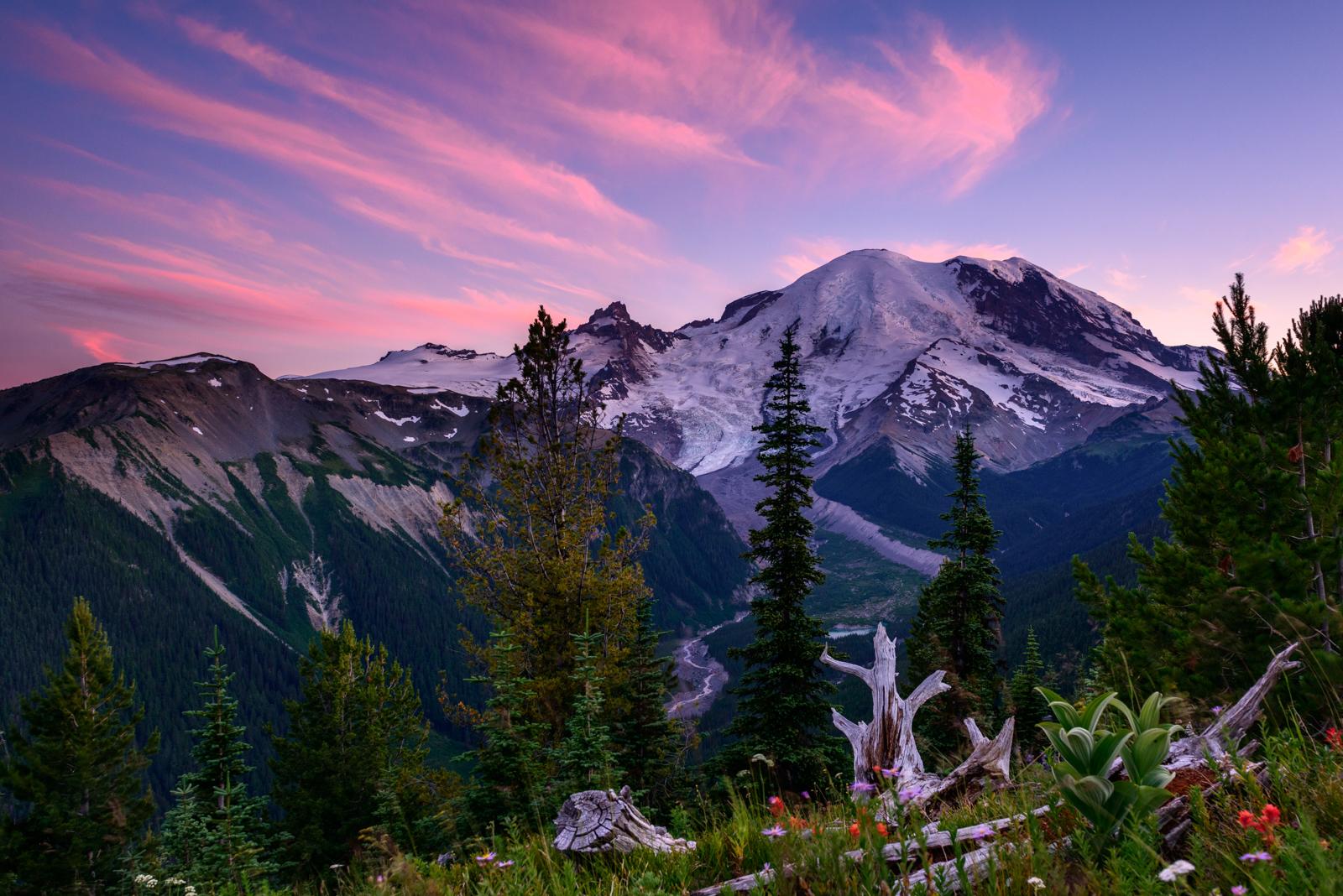
Mount Rainier Timed Entry: 2026 Reservation Guide
How Mount Rainier timed entry reservations work in 2026, which corridors and hours need them, and how to plan around the system.
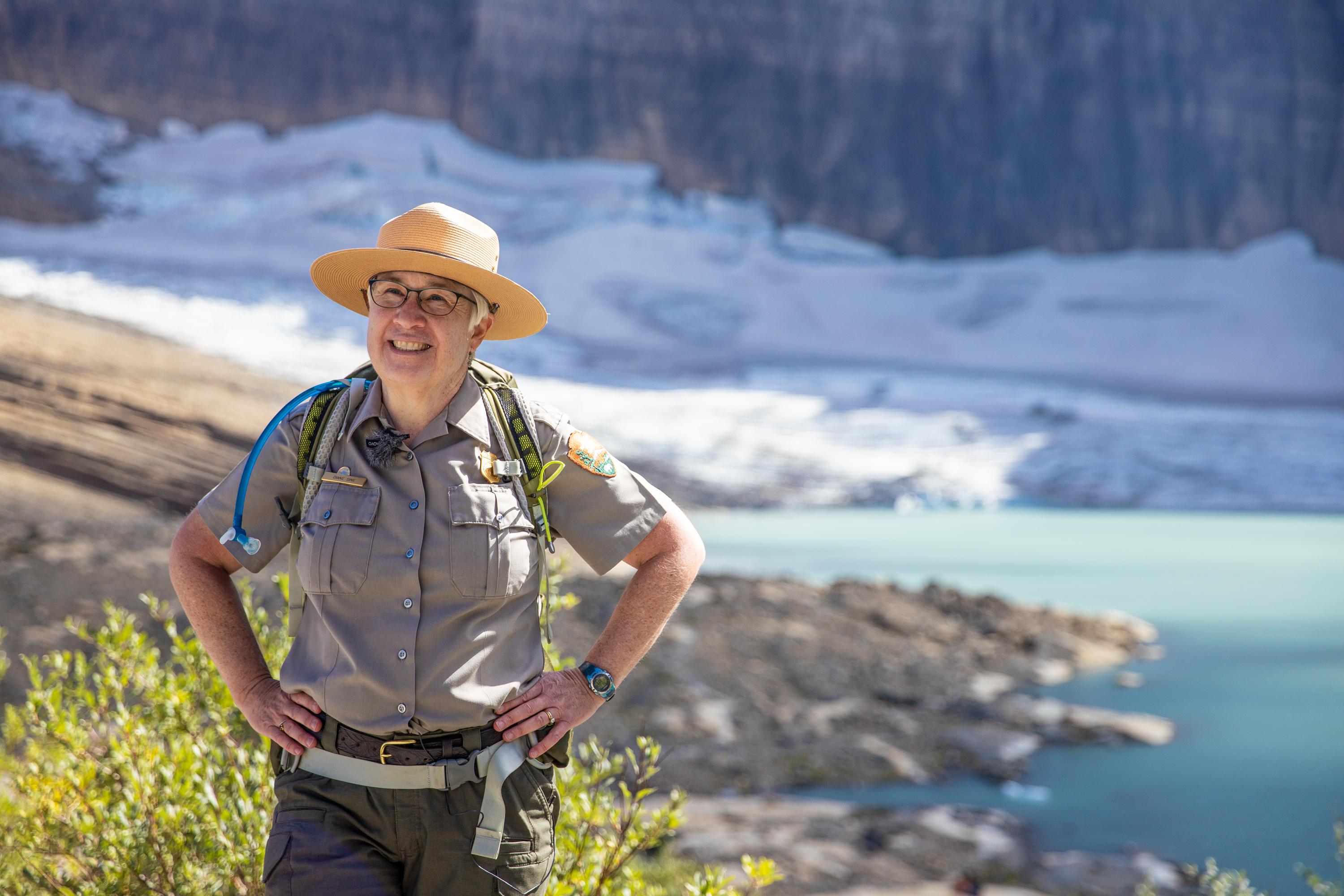
Best National Parks in July: Where to Go
The high country opens up in July. Discover the best summer parks from Glacier to Rocky Mountain, plus heat, crowd and wildfire tips.
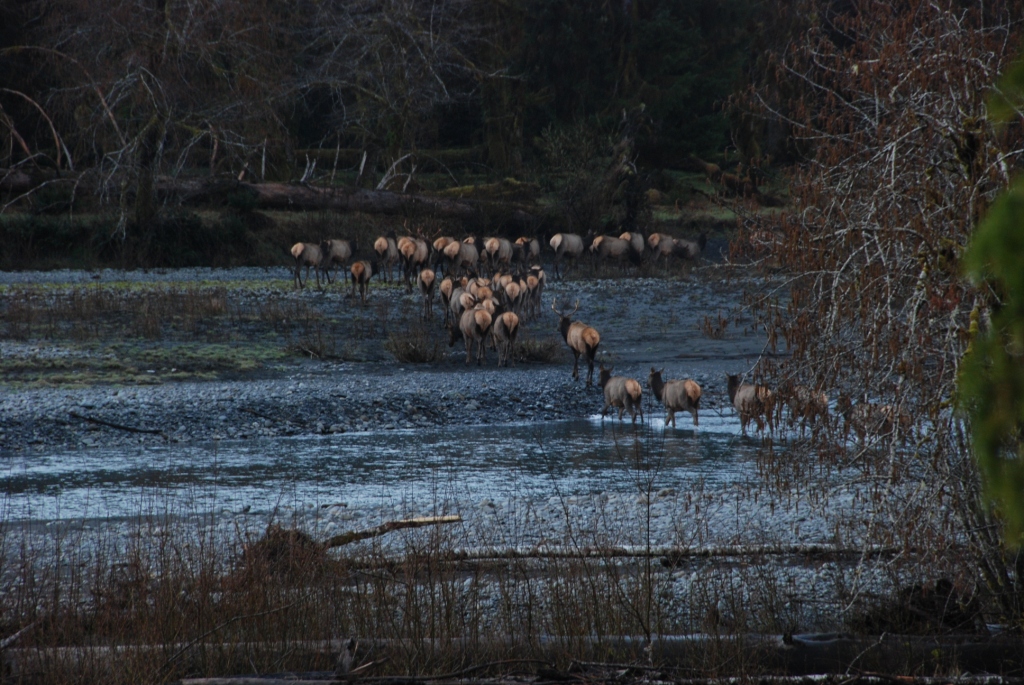
Best Hikes in Olympic National Park
A landscape-by-landscape guide to Olympic’s top trails, from wild beaches to rainforests to alpine peaks.
Keep exploring
More parks in Washington.