
Utah · 17 sites
National parks, monuments & historic sites in Utah
Utah is home to 17 sites managed by the National Park Service, including 5 marquee national parks — Arches, Bryce Canyon, Canyonlands, and Capitol Reef. Beyond the big-name parks you'll find 6 national monuments and 5 historic sites that most visitors overlook — and that's where some of the best trips hide. Every listing below pulls real, current hours, entrance fees, alerts, and reservation requirements straight from the National Park Service, paired with honest planning notes so you can decide what's actually worth your time.
17
Total NPS sites
5
National Parks
6
National Monuments
5
Historic sites
National Parks in Utah
The crown jewels — full National Park units in Utah. These are the destinations worth building a trip around.


National Monuments in Utah
National Monuments protect a single landmark, landscape, or archaeological feature. Utah has 6 — usually cheaper, quieter, and faster to visit than a full park.

Cedar Breaks National Monument
National Monument · Utah

Dinosaur National Monument
National Monument · Colorado, Utah

Hovenweep National Monument
National Monument · Colorado, Utah

Natural Bridges National Monument
National Monument · Utah

Rainbow Bridge National Monument
National Monument · Utah

Timpanogos Cave National Monument
National Monument · Utah
Historic Sites & Memorials in Utah
Battlefields, memorials, and places where American history happened. Most are free, take a few hours, and reward visitors who do a little reading first.

Golden Spike National Historical Park
National Historical Park · Utah

California National Historic Trail
National Historic Trail · California, Colorado +8 more

Mormon Pioneer National Historic Trail
National Historic Trail · Illinois, Iowa +3 more

Old Spanish National Historic Trail
National Historic Trail · Arizona, California +4 more

Pony Express National Historic Trail
National Historic Trail · California, Colorado +6 more
Seashores, Recreation Areas & Preserves in Utah
Seashores, lakeshores, recreation areas, preserves, and scenic rivers — public lands built for time outside rather than a checklist visit.

Frequently asked questions about Utah's parks
How many national parks are in Utah?
- Utah has 5 full National Park units: Arches National Park, Bryce Canyon National Park, Canyonlands National Park, Capitol Reef National Park, Zion National Park. In total the National Park Service manages 17 sites in the state when you include monuments, historic sites, and recreation areas.
What's the difference between a national park, monument, and historic site in Utah?
- A National Park is established by Congress to protect a large landscape with multiple resources — think Yellowstone or Acadia. A National Monument is created by presidential proclamation to protect a specific landmark or feature and is usually smaller. A National Historic Site preserves a single place tied to American history. All three are managed by the National Park Service, but they vary widely in size, fees, and what there is to do.
Which national monuments are in Utah?
- Utah has 6 national monuments: Cedar Breaks National Monument, Dinosaur National Monument, Hovenweep National Monument, Natural Bridges National Monument, Rainbow Bridge National Monument, Timpanogos Cave National Monument.
Are there historic sites worth visiting in Utah?
- Yes — Utah has 5 NPS-managed historic sites, memorials, or battlefields. The most-visited include Golden Spike, California, and Mormon Pioneer. Most are free or have a low entrance fee and can be done in a half-day.
Do I need a reservation to visit parks in Utah?
- It depends on the site. A handful of marquee national parks now require timed-entry reservations during peak season, and most campgrounds book out months ahead on Recreation.gov. Monuments and historic sites almost never require reservations. Check the individual park page for the current rules before you go — we keep it synced daily.
When is the best time to visit Utah's national parks?
- Spring (April–May) and fall (September–October) generally offer the best mix of weather, lower crowds, and full access. Summer is the busiest by far at every marquee park. Winter cuts crowds dramatically but closes roads and facilities at higher elevations.
Is the America the Beautiful pass worth it for Utah?
- If you'll visit more than three fee-charging sites in a year — anywhere in the U.S., not just Utah — the $80 annual America the Beautiful pass pays for itself. It covers entrance fees at every NPS site and most federal recreation lands. Seniors (62+), active military, fourth-graders, and people with permanent disabilities qualify for free or discounted versions.
Keep exploring
Browse parks in other states or jump back to the full directory.
Related guides for Utah
Trip plans and deep-dives from the PeepTrip blog featuring parks in Utah.
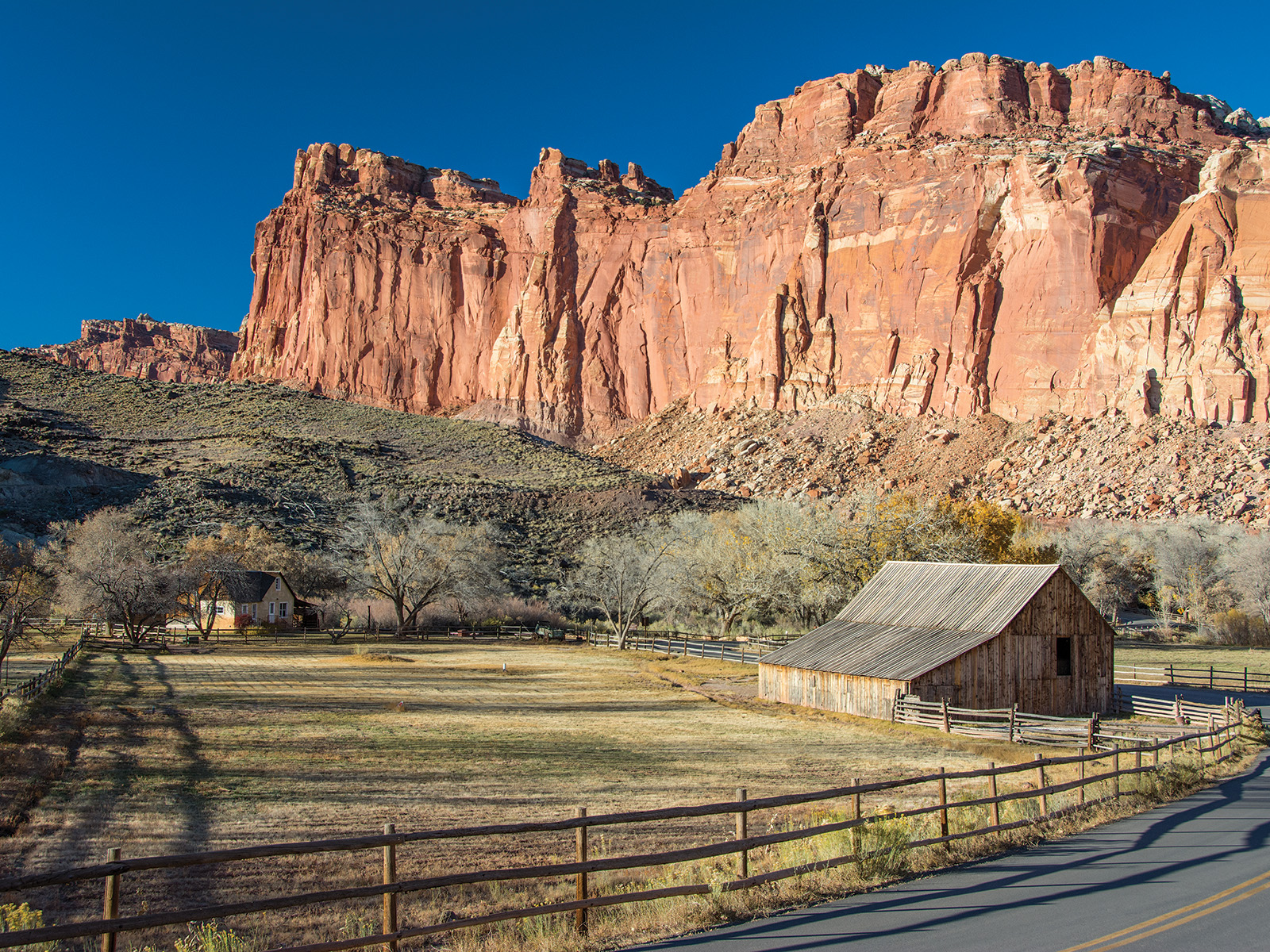
One Day in Capitol Reef National Park: Itinerary
A realistic one-day Capitol Reef itinerary: Fruita at sunrise, the Scenic Drive, a Hickman Bridge or Cassidy Arch hike, pie, and sunset overlooks.
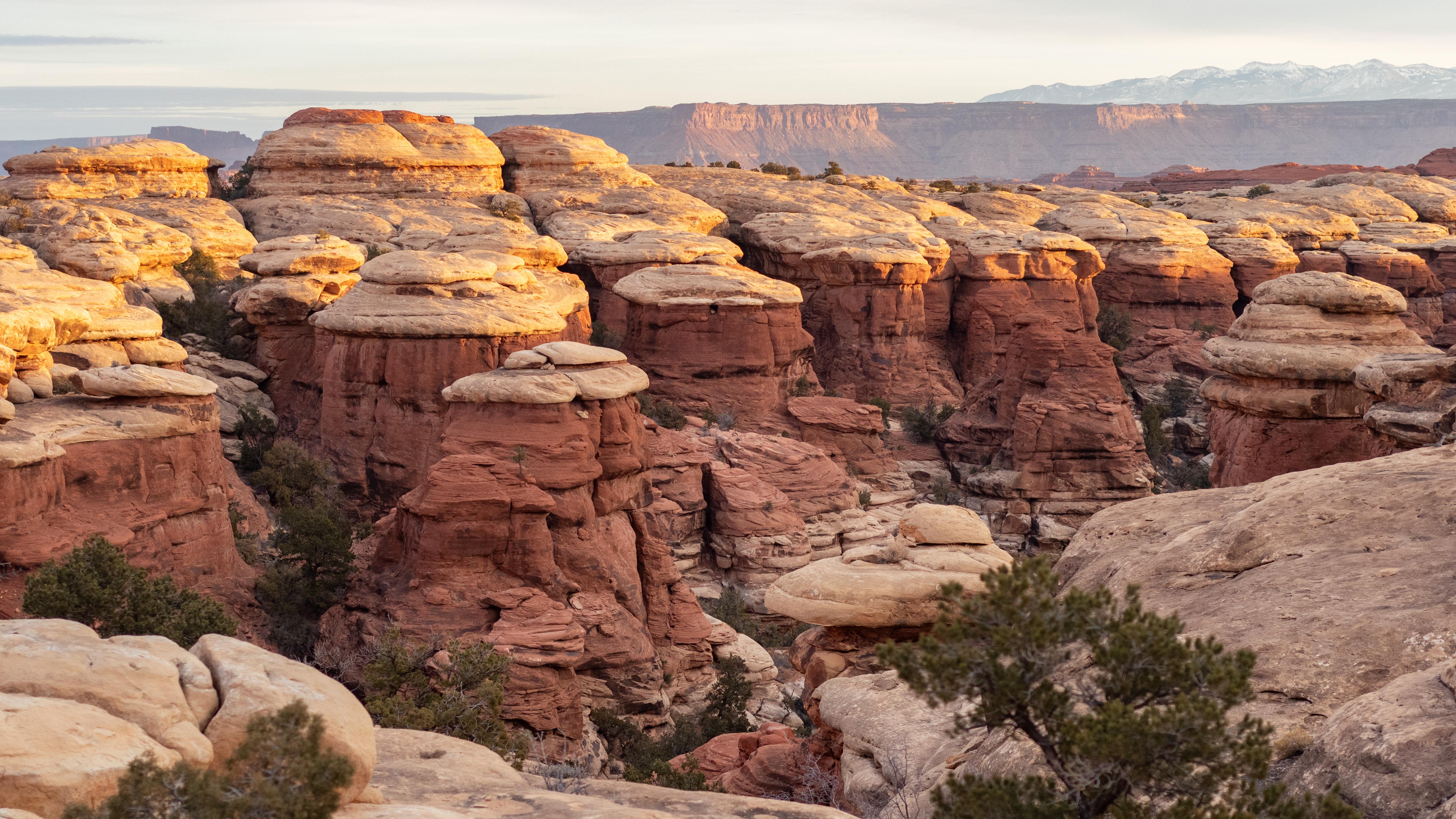
One Day in Canyonlands National Park: Itinerary
One day in Canyonlands National Park works best if you commit to Island in the Sky. Here is an hour-by-hour plan from Mesa Arch to sunset.
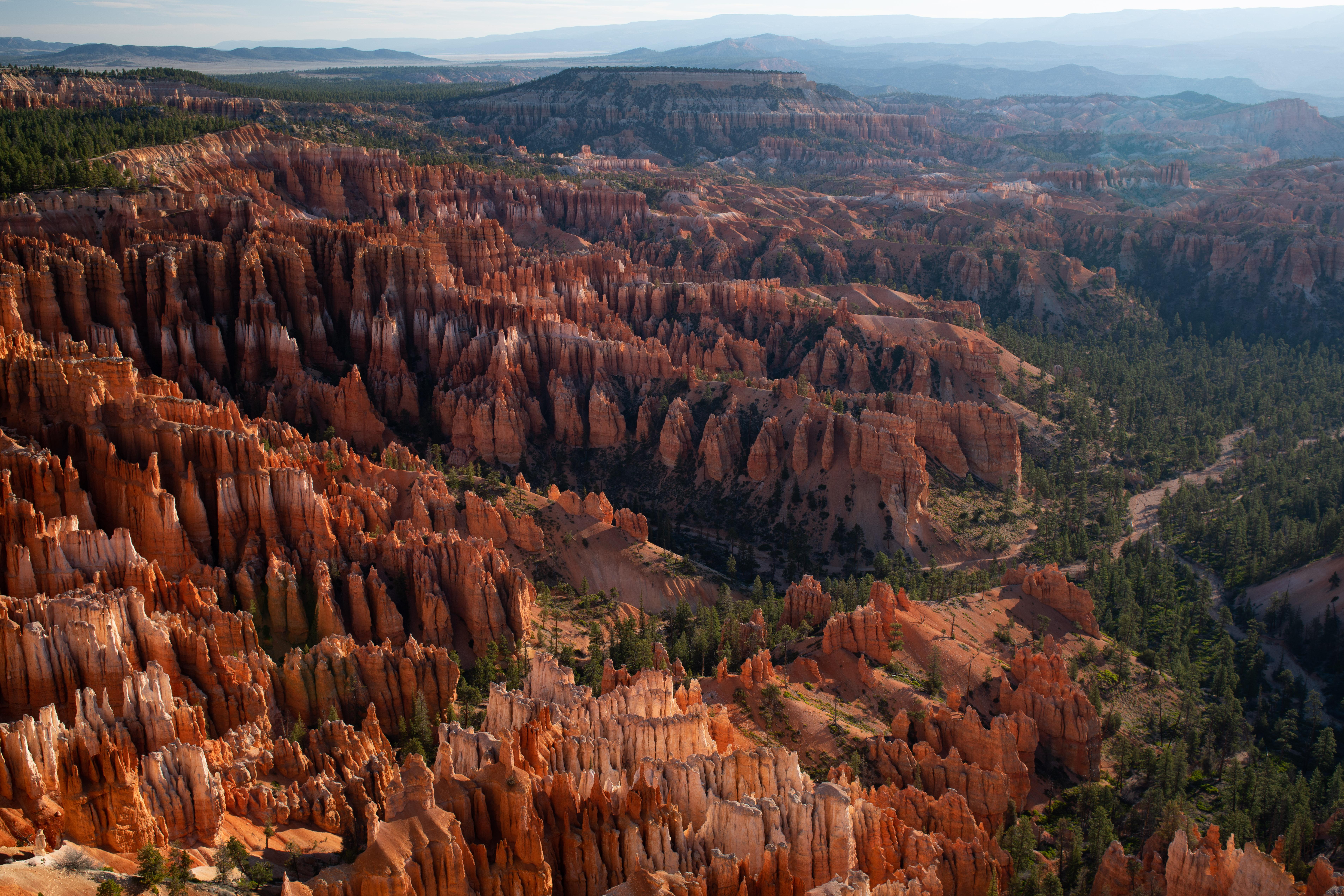
Where to Stay in Bryce Canyon National Park
Bryce Canyon has one in-park lodge — here's how it compares to Bryce Canyon City, Tropic, and day-tripping in from Zion.
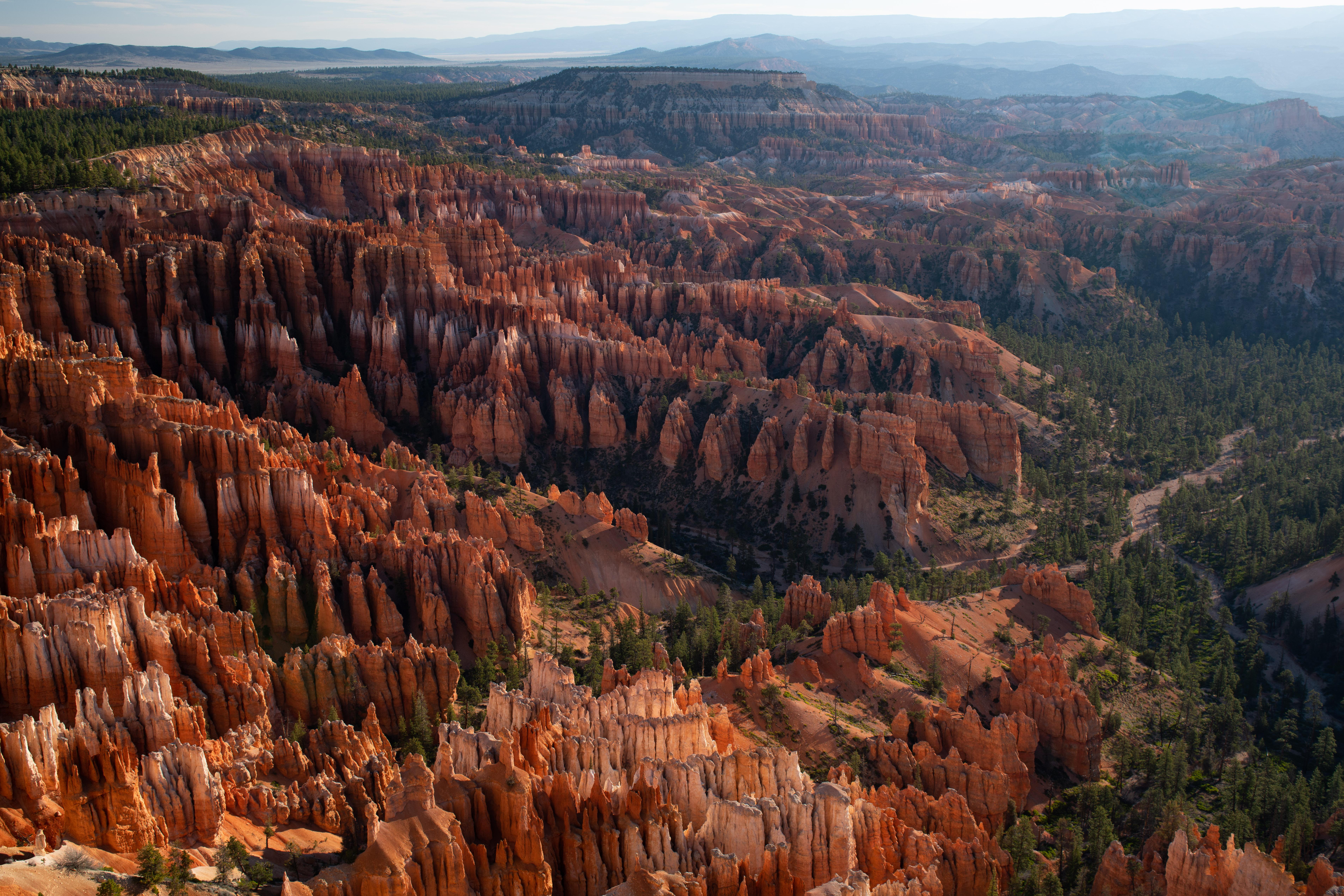
One Day in Bryce Canyon National Park: Itinerary
An hour-by-hour plan for one day in Bryce Canyon: the best viewpoints, the one hike worth your time, and how to avoid the shuttle crush.
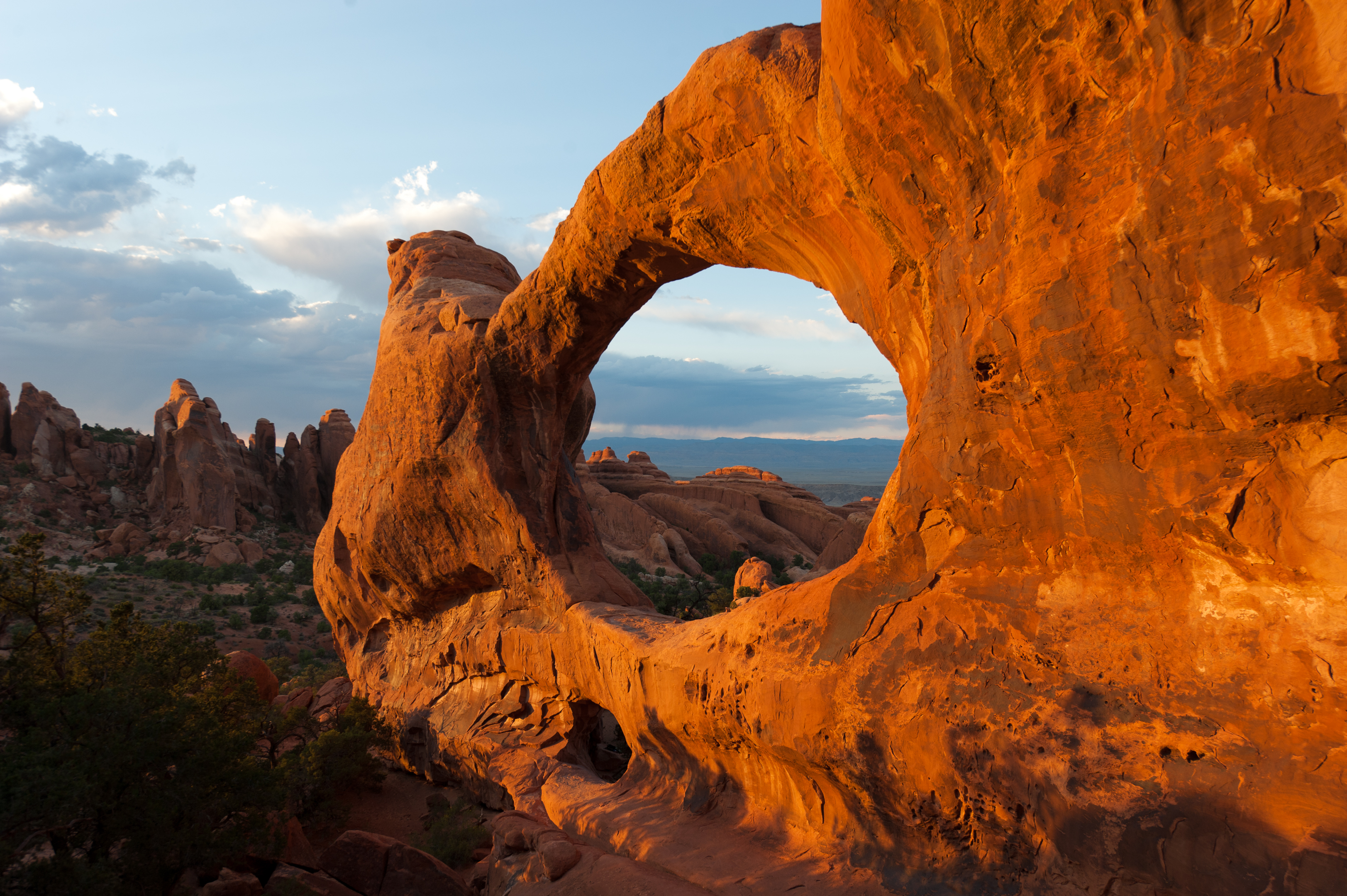
Delicate Arch Trail: Complete Hiking Guide
Everything you need for the Delicate Arch hike in Arches National Park: distance, the slickrock ledge, timing, water and the viewpoint alternatives.
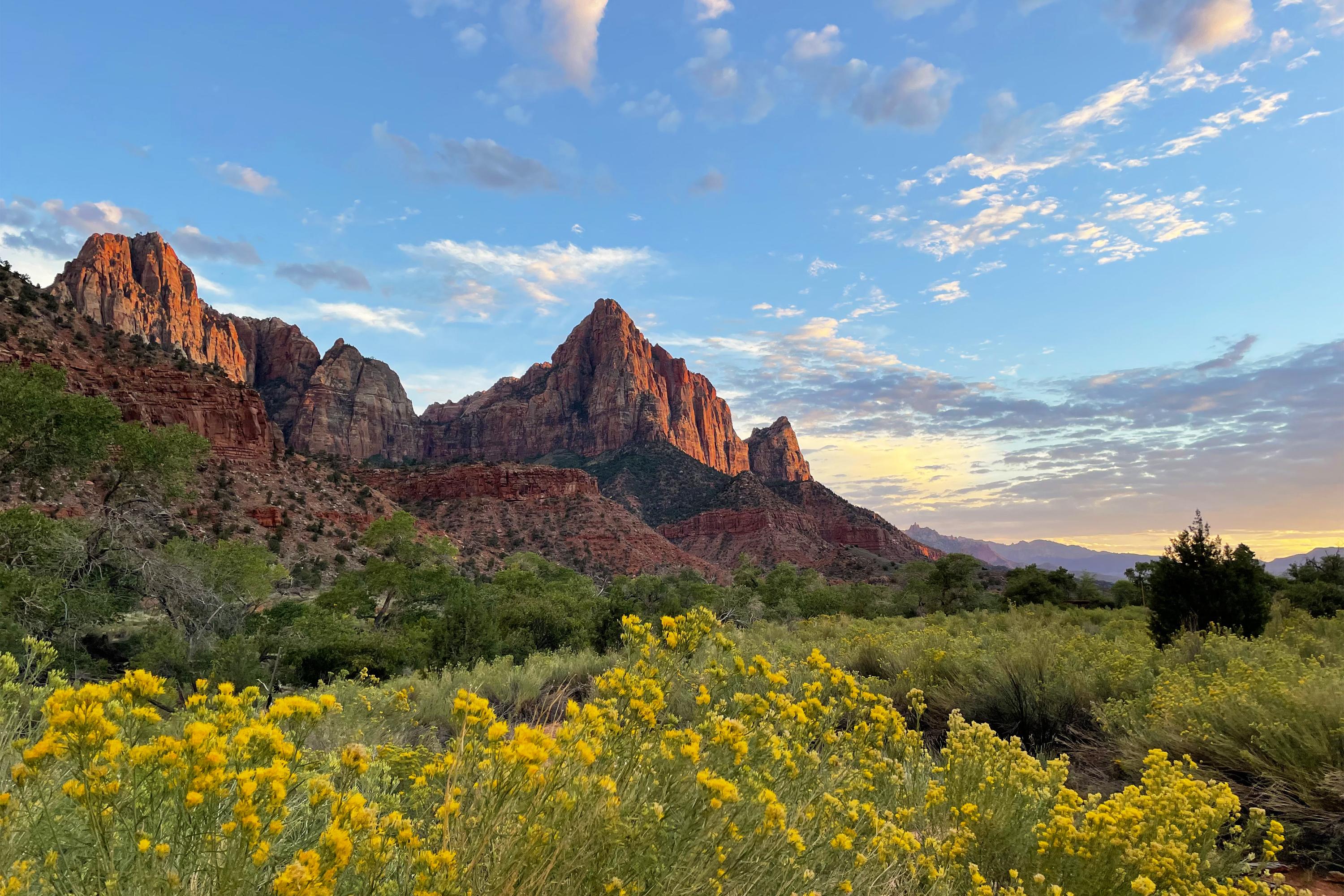
Where to Stay in Zion National Park: Best Areas
A practical breakdown of every lodging base around Zion, from in-park cabins to Springdale, Hurricane, Kanab and East Zion.