
The best national parks in winter split neatly into two camps: snowy parks where white powder transforms familiar scenery into something magical, and warm-weather parks that hit their comfortable peak just as the rest of the country freezes. Winter is the quiet season in most parks, which means thinner crowds, softer light, and a very different mood on the trail. This guide covers where snow makes the scenery unforgettable, which desert and subtropical parks are best in the cold months, and how to plan safely around seasonal closures.
Why visit national parks in winter?
Winter brings a solitude that is impossible in summer. Popular overlooks sit empty, wildlife is often easier to spot against the snow, and photographers get long golden hours and dramatic contrast. Lodging can be cheaper and reservations easier to land. The trade-offs are shorter days, cold temperatures, and seasonal road and facility closures, so winter rewards travelers who plan carefully and stay flexible.
Which snowy park is most beautiful in winter?
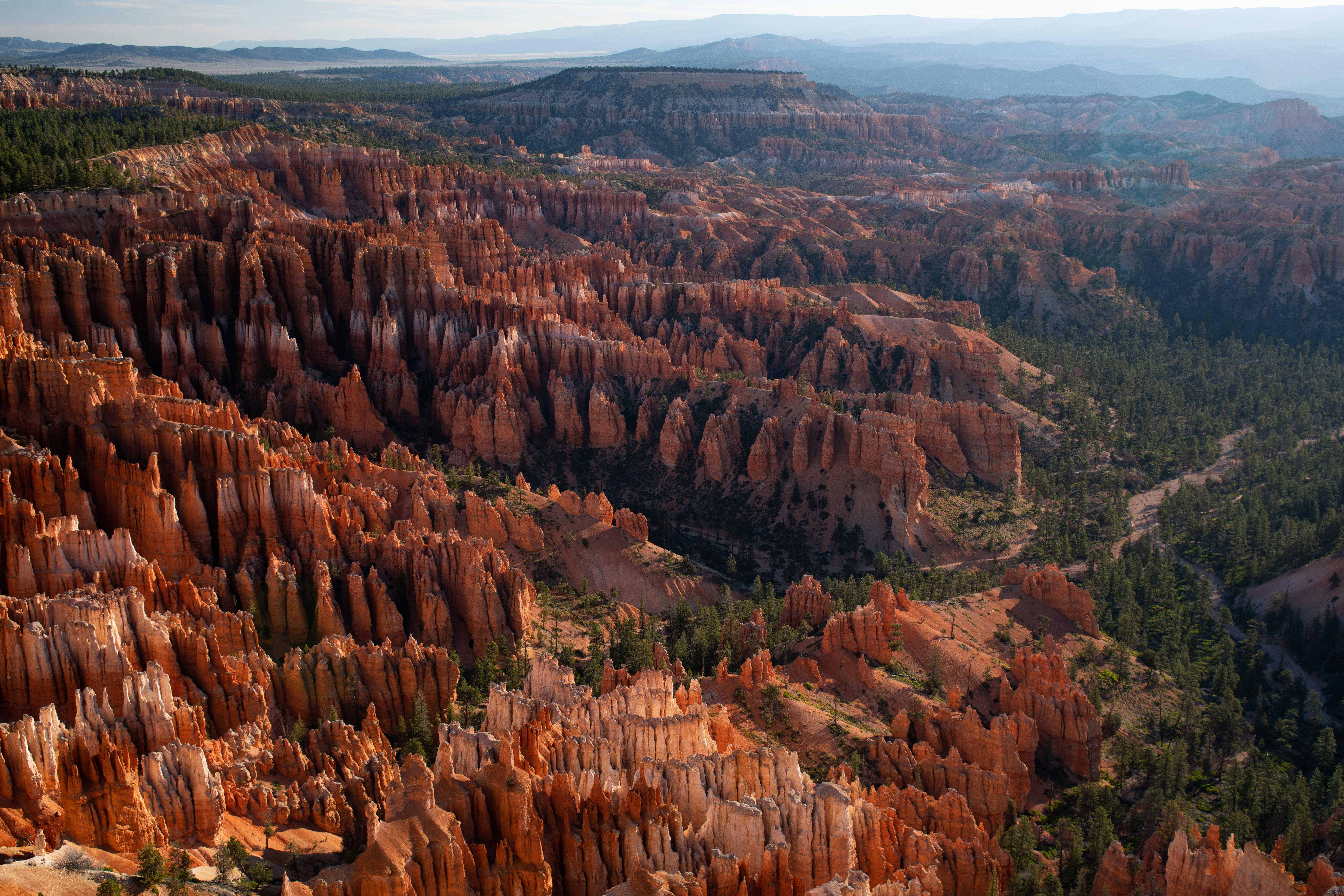
Bryce Canyon is a standout, where fresh snow settles on thousands of orange hoodoos to create a scene you will not find anywhere else on earth. At over 8,000 feet it reliably gets snow, and rangers even offer snowshoe programs. The crisp air and dark skies also make for superb winter stargazing. Plan your visit with our Bryce Canyon National Park guide and check current-year road conditions before you drive up.
What are the best warm parks in winter?
When the north freezes, the desert and subtropical parks shine. Death Valley is at its most pleasant in winter, with mild days perfect for exploring salt flats and dunes that are unbearable in summer. Everglades National Park in Florida hits its dry-season sweet spot, with excellent wildlife viewing and far fewer mosquitoes. Explore them with our Death Valley National Park and Everglades National Park guides.
Which parks should you approach with caution in winter?
High-country parks like Glacier and the Sierra Nevada largely close their scenic roads under deep snow, and many trails require avalanche awareness and winter gear. You can still visit, but plan for limited access, snow travel, and short daylight. Always check the current-year rules for road status, and never underestimate mountain weather in the cold months.
What can you do in the snowy parks?
Winter opens up activities you cannot do the rest of the year: snowshoeing, cross-country skiing, and even ranger-led snow walks. Yellowstone becomes a wonderland reached by snowcoach, with geysers steaming against the frost. Bundle up, bring traction devices for icy trails, and treat sunset as an early cutoff, since darkness comes fast in December and January.
How do you stay safe and comfortable in winter?
Dress in warm layers, carry extra food and water, and keep your gas tank full in remote areas. Microspikes or snowshoes make icy trails safer, and a headlamp is essential given short days. Check road and weather conditions the morning you travel, and be ready to change plans if a storm rolls in. See more regional ideas on our Utah guide.
When is the best time for a winter park trip?
December through February is the heart of winter, with the deepest snow up high and the mildest days in the desert. Late winter can bring the best of both worlds, with lingering snow in the mountains and warming days in the south. Timing varies year to year, so confirm current-year conditions before you commit.
FAQ
What are the best national parks to visit in winter?
Bryce Canyon for snowy scenery, plus warm-weather parks like Death Valley and the Everglades, are among the best winter choices.
Are national parks open in winter?
Most parks stay open, but many scenic roads and facilities close seasonally. Always check current-year road and closure information first.
Which parks are warm in winter?
Desert and subtropical parks such as Death Valley, Joshua Tree, Big Bend, and the Everglades are most comfortable in the cooler months.
Do I need special gear for winter park visits?
For snowy parks, bring warm layers, traction devices, and a headlamp. For desert parks, standard cool-weather clothing is usually enough.