

National Park · Utah
Bryce Canyon National Park
Bryce Canyon isn't a canyon. It's a series of natural amphitheaters carved into the edge of a plateau, filled with thousands of orange-pink hoodoos. It sits at 8,000-9,000 feet, which makes it cool in summer and snow-dusted half the year.
Best time to visit
May-June and September-October. Summer is pleasant due to altitude. Winter is magical — hoodoos in snow — but trails get icy.
How long you need
One to two days. It pairs naturally with Zion (90 minutes away).
Don't miss
- Sunrise at Sunrise Point, then walk the rim to Sunset Point
- Navajo Loop and Queens Garden combined — descend into the hoodoos
- Bryce Point overview
- Drive to Rainbow Point at the south end, 18 miles of viewpoints
- Stargazing — Bryce is one of the darkest places in the lower 48
What people get wrong
Staying on the rim. The whole point of Bryce is to walk down inside the amphitheater — the hoodoos tower over you and the perspective flips. The Navajo/Queens combo is 3 miles and not technical.
About Bryce Canyon National Park
Hoodoos (irregular columns of rock) exist on every continent, but here is the largest concentration found anywhere on Earth. Situated along a high plateau at the top of the Grand Staircase, the park's high elevations include numerous life communities, fantastic dark skies, and geological wonders that defy description.
Things to do
- Astronomy
- Stargazing
- Biking
- Road Biking
- Camping
- Backcountry Camping
- Car or Front Country Camping
- Group Camping
- RV Camping
- Food
- Dining
- Picnicking
- Guided Tours
- Self-Guided Tours - Auto
- Hands-On
- Citizen Science
- Hiking
- Backcountry Hiking
- Front-Country Hiking
- Horse Trekking
- Junior Ranger Program
- Skiing
- Cross-Country Skiing
- Snowshoeing
Weather & when to go
Due of its high elevation climate, weather at Bryce Canyon through autumn, winter, and spring can be highly variable. From October to May temperatures fall below freezing nearly every night. The park typically experiences its coldest and snowiest periods from December through February. Spring storms in March and April can still produce heavy snowfall that may impact travel in the region. Summer highs are typically in the 70s-80s F and afternoon thunderstorms are common in July and August.
Entrance fees
Entrance - Private Vehicle
Admits one private, non-commercial vehicle (15 passenger capacity or less) and all occupants.
$35.00
Entrance - Motorcycle
Valid for 7 days. Admits up to 2 private, non-commercial motorcycles with up to 4 total passengers.
$30.00
Entrance - Per Person
Admits one individual with no car to the park - typically used for bicyclists and walk-ins. Youth 15 and under are admitted free.
$20.00
Nonresident
Each non-US resident aged 16 and older visiting Bryce Canyon National Park must pay a $100 nonresident fee (in addition to the standard entrance fee), unless admitted with an Annual or America the Beautiful Pass. This includes nonresidents entering as part of a commercial tour group, commercial use authorization (CUA) group, or concessioner tour group.
$100.00
Operating hours
Park is Open 24-7
Bryce Canyon National Park is open 365 days a year, 24 hours a day.
Campgrounds
Sunset Campground
North Campground
FAQ
- Do I need a timed reservation?
- No timed-entry system. The park uses a free shuttle in summer that you should use to avoid the parking circus.
- How does it compare to Zion?
- Different planet. Zion is a deep narrow canyon you walk through. Bryce is an open amphitheater you walk into. Do both.
- Is the altitude a problem?
- Mild for most people, but the climb back out of the amphitheater gains 500 feet at 8,000 feet of elevation. Take it slow.
Related guides
Trip plans and deep-dives from the PeepTrip blog featuring Bryce Canyon National Park.
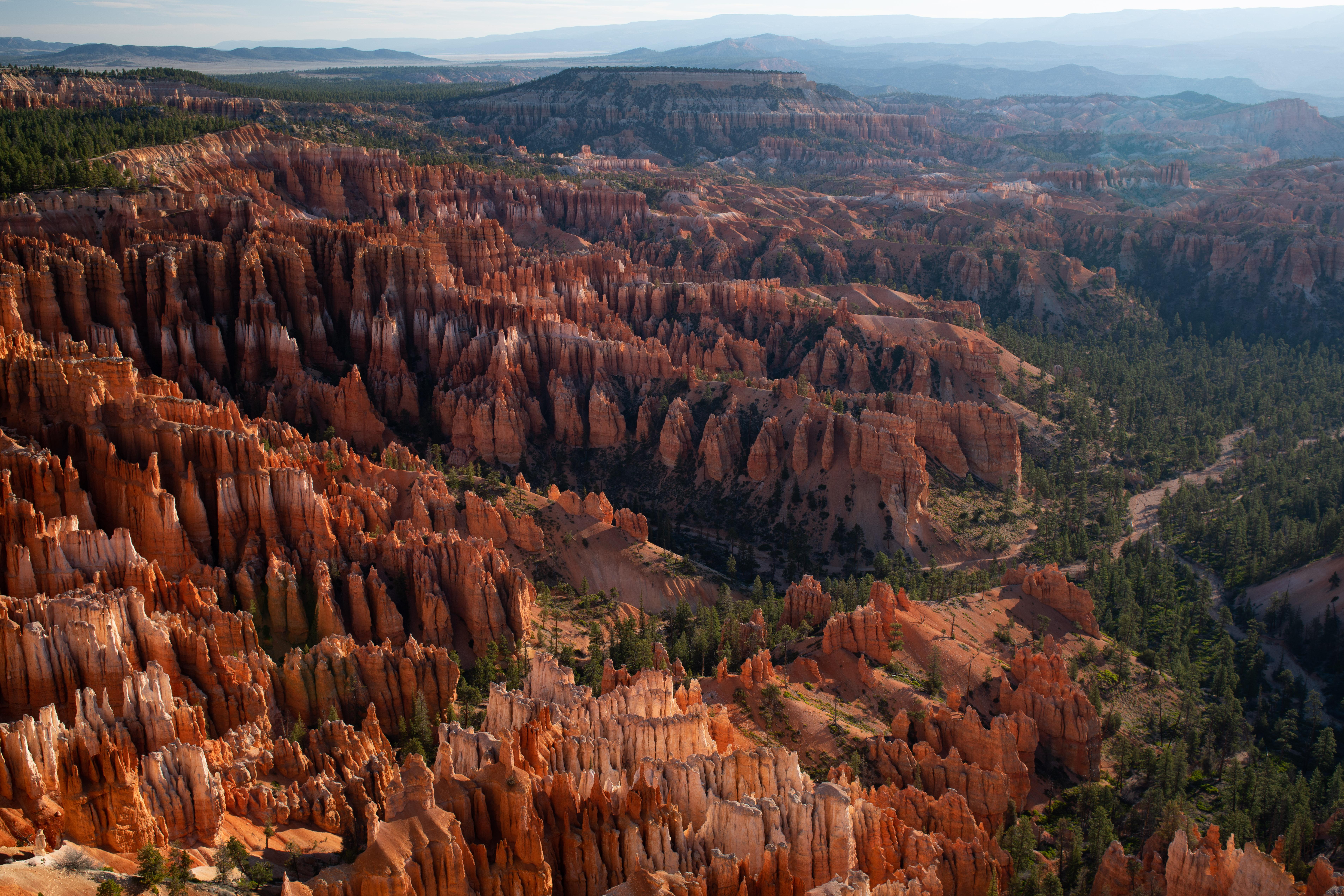
Where to Stay in Bryce Canyon National Park
Bryce Canyon has one in-park lodge — here's how it compares to Bryce Canyon City, Tropic, and day-tripping in from Zion.
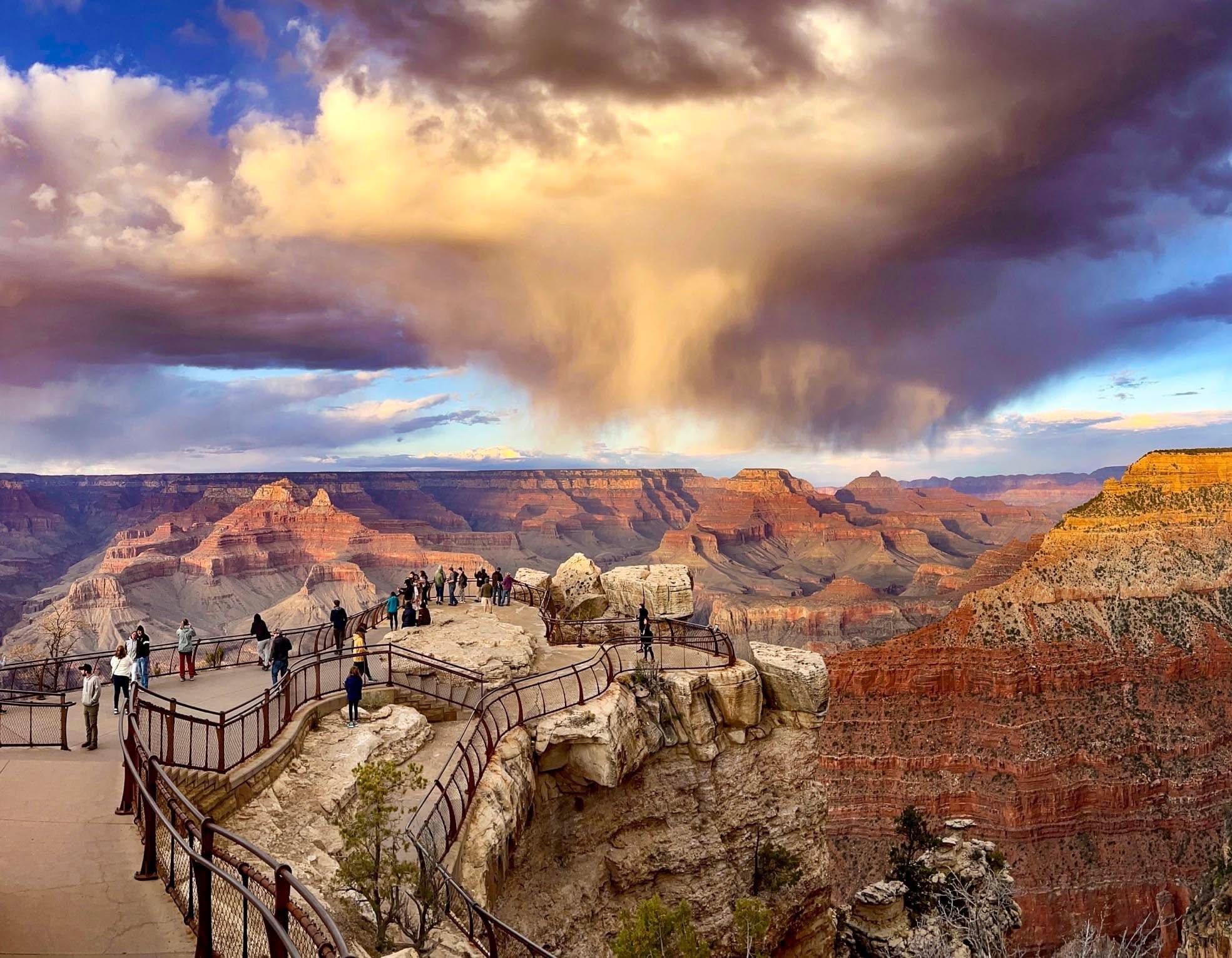
Where to Stay in Grand Canyon National Park
A practical breakdown of every lodging area at the Grand Canyon, from in-park lodges to gateway towns, with drive times and booking windows.
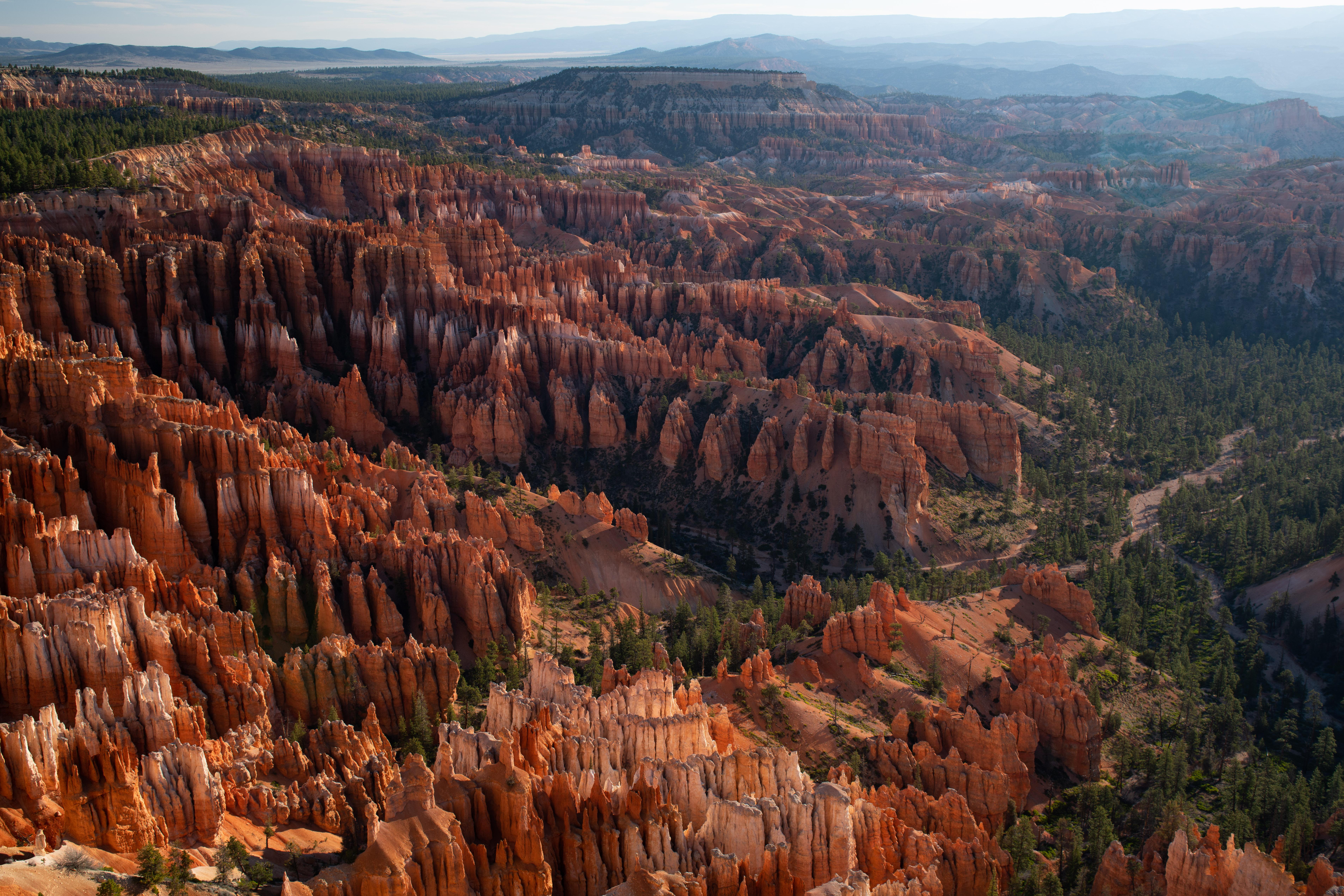
One Day in Bryce Canyon National Park: Itinerary
An hour-by-hour plan for one day in Bryce Canyon: the best viewpoints, the one hike worth your time, and how to avoid the shuttle crush.
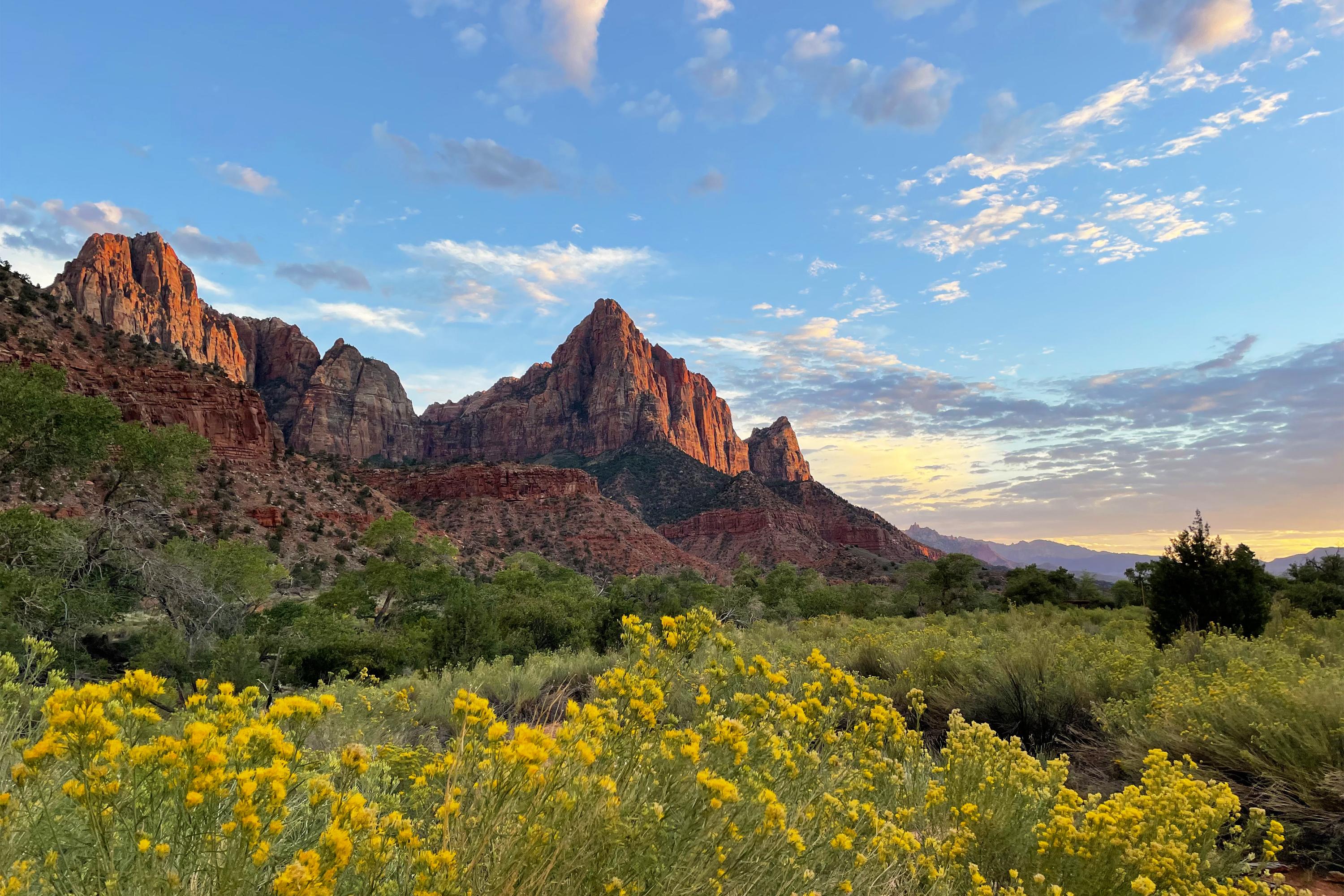
Where to Stay in Zion National Park: Best Areas
A practical breakdown of every lodging base around Zion, from in-park cabins to Springdale, Hurricane, Kanab and East Zion.
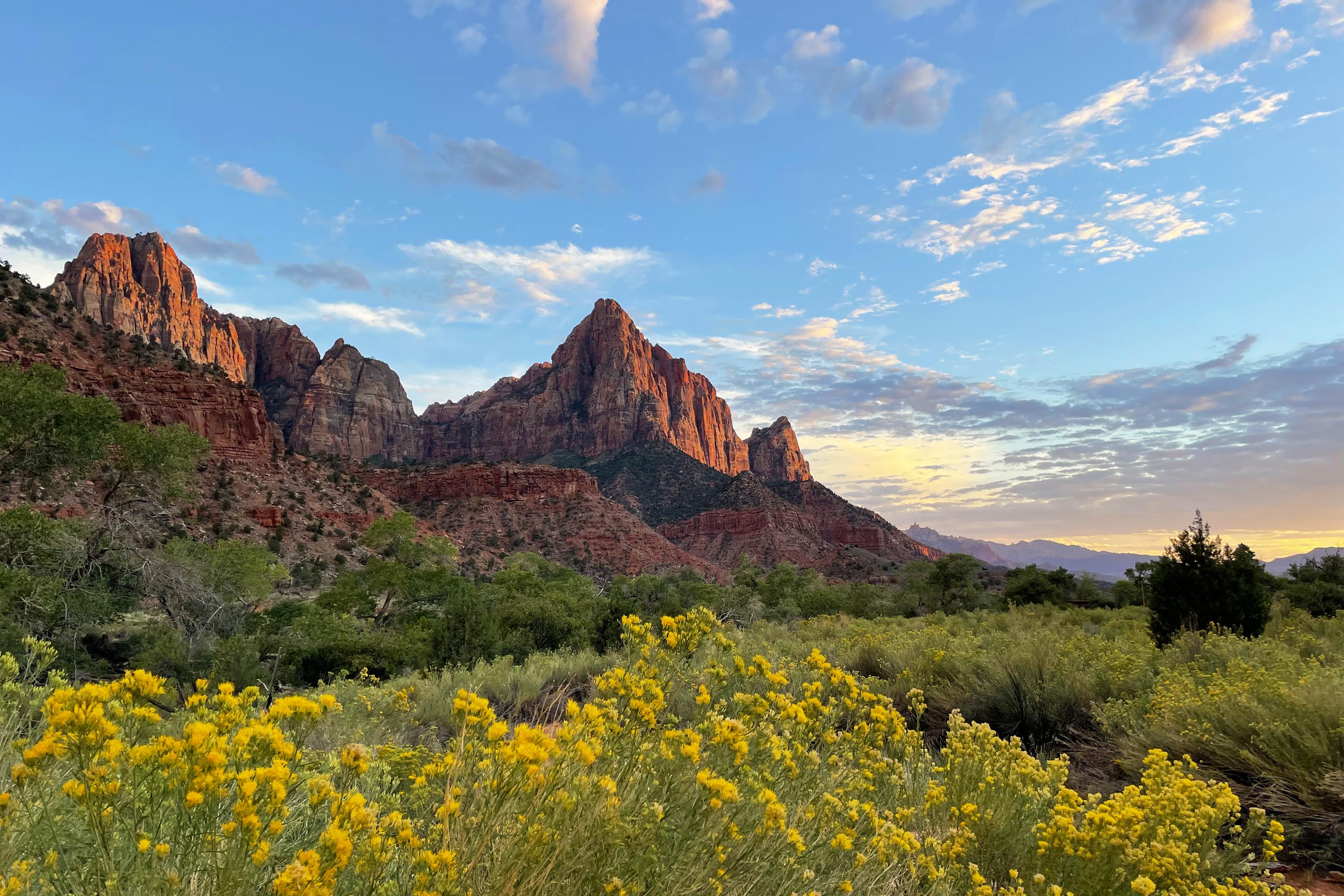
One Day in Zion National Park: Perfect Itinerary
An hour-by-hour plan for one day in Zion National Park, built around the shuttle system so you actually see the canyon instead of queueing for it.
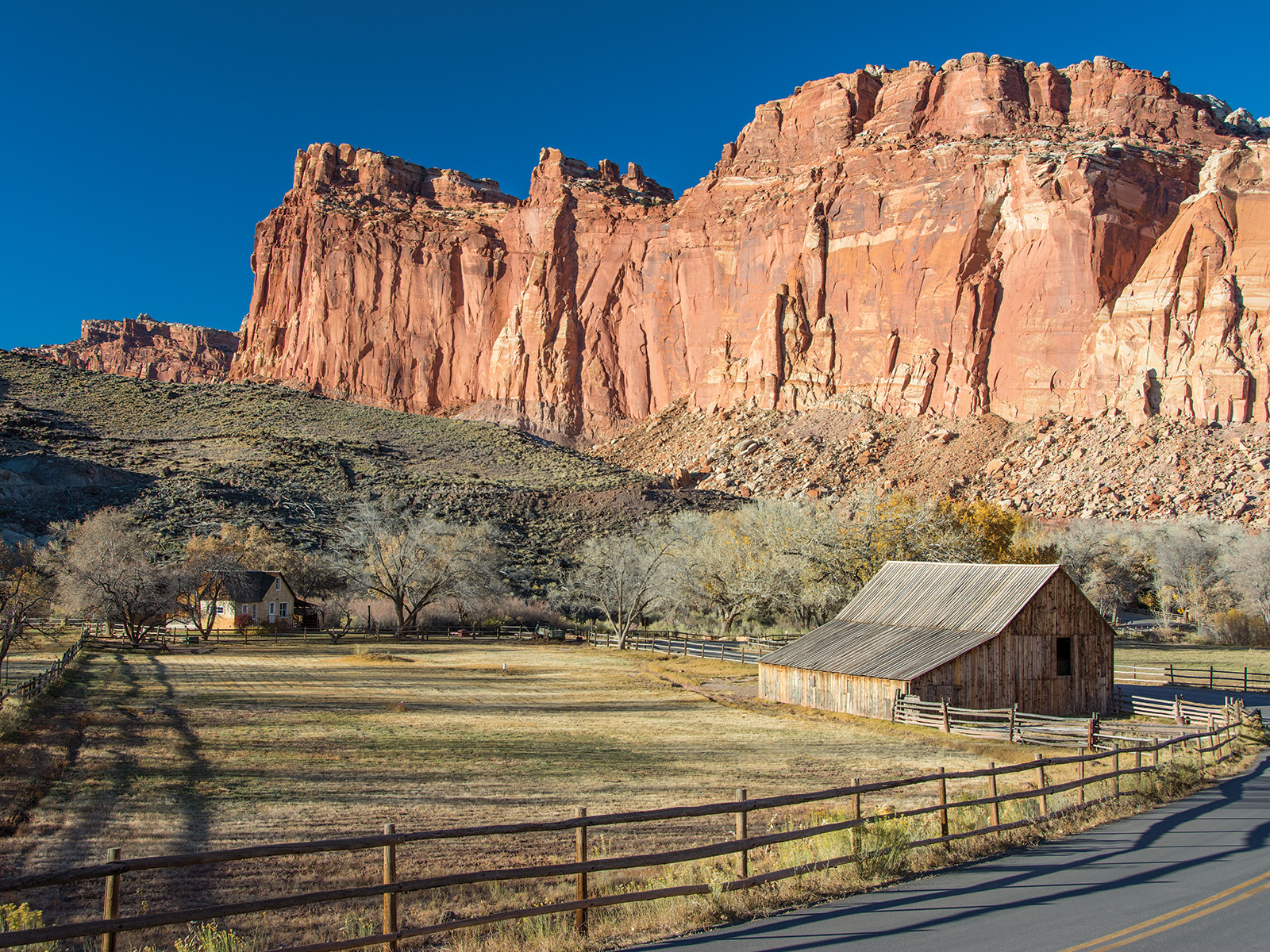
Best Time to Visit Capitol Reef National Park
When to visit Capitol Reef for cool hiking weather, ripe orchard fruit and safe slot canyons — and the weeks to avoid entirely.