
The national parks in Washington deliver rainforests, glaciated volcanoes, and jagged alpine peaks, making the state one of the most scenically diverse in the entire country. This guide covers Washington's three national parks, what sets each apart, and how to combine them on a single road trip out of Seattle. Access roads, timed permits, and seasonal closures change from year to year, so always confirm the current-year rules as you plan your route, lodging, and dates.
How many national parks are in Washington?
Washington has three national parks: Mount Rainier, Olympic, and North Cascades. Each protects a wildly different landscape, from a 14,000-foot volcano to temperate rainforest and a rugged wilderness of granite spires and glaciers. Together they make Washington a bucket-list destination for anyone who loves mountains, forests, and dramatic coastline, and all three sit within a day's drive of Seattle, which makes a loop itinerary surprisingly practical.
What is the most popular national park in Washington?
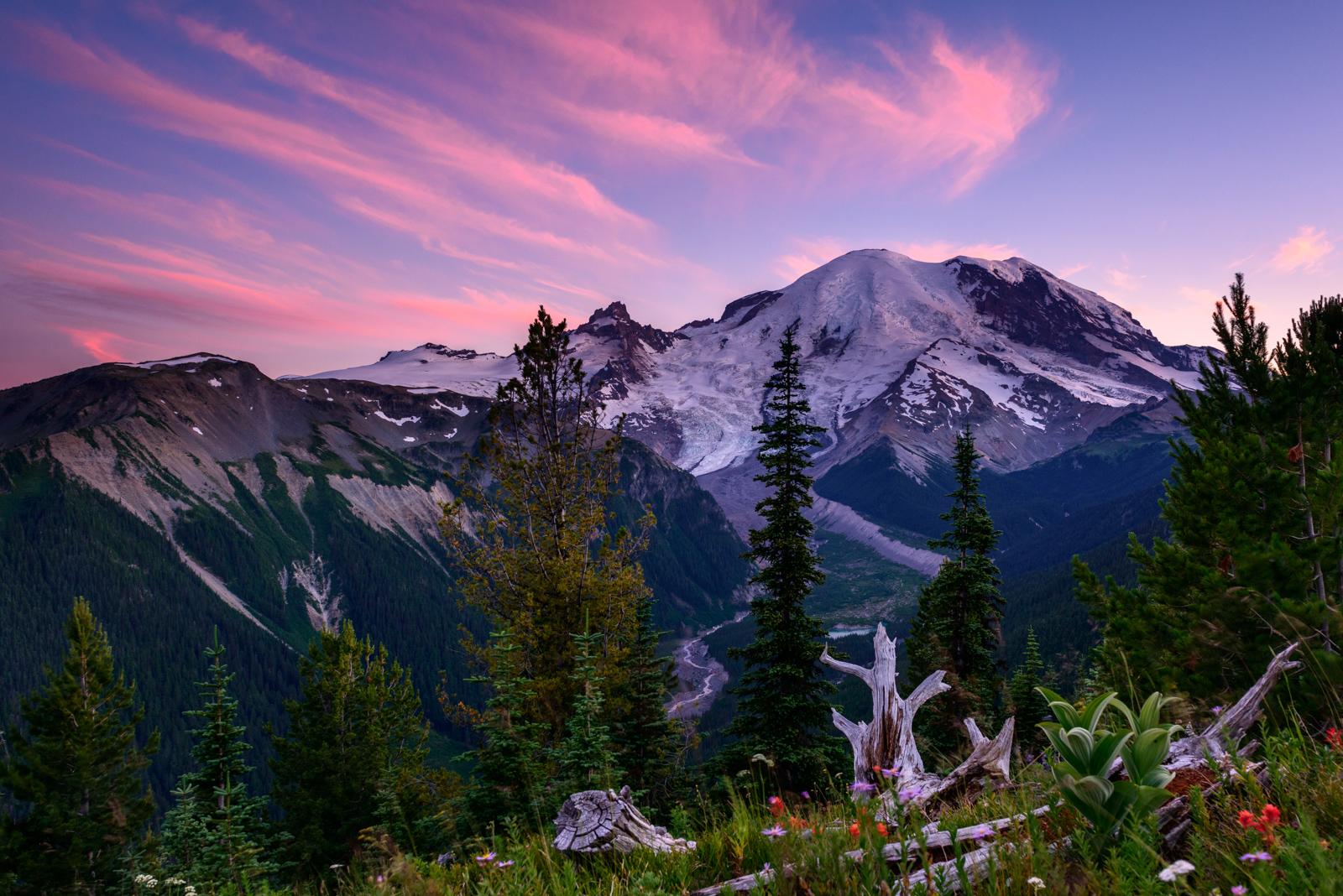
Mount Rainier National Park is the most visited, centered on the glaciated volcano that dominates the skyline for miles around. Summer wildflower meadows at Paradise and Sunrise are the highlights, and a timed-entry reservation may be required in peak season, so plan ahead and book early. It remains the classic introduction to Washington's national parks for most first-time visitors, thanks to its accessibility and unmistakable profile.
What makes Olympic National Park special?
Olympic National Park packs three ecosystems into one park: rugged Pacific coastline, mossy temperate rainforest in the Hoh Valley, and alpine meadows at Hurricane Ridge. Because these areas are spread around a large peninsula, plan for significant driving time between them and consider basing in different towns. Few parks anywhere let you touch tide pools and mountain snow in the same day, which is what makes Olympic so memorable.
Is North Cascades worth visiting?
North Cascades National Park is one of the least-crowded parks in the lower 48, prized for turquoise glacial lakes and hundreds of glaciers. The North Cascades Highway offers jaw-dropping overlooks, though it closes for winter each year once the snow arrives. Serious hikers and backpackers love its rugged, remote trails and genuine sense of wilderness that feels far from any city.
How do you plan a Washington national parks road trip?
Olympic sits west across Puget Sound, Rainier is south of Seattle, and North Cascades lies to the northeast, so a loop from Seattle can link all three in about a week. Summer offers the most reliable access to high-country roads and trails, while shoulder seasons bring solitude but the possibility of closures. Book lodging and any timed-entry permits early, since gateway towns fill up fast during the peak summer months.
What should you know before visiting Washington's parks?
Weather on the coast and in the mountains can be wet and cool even in summer, so pack layers and rain gear regardless of the forecast. Mountain roads like those to Paradise, Hurricane Ridge, and along the North Cascades Highway may open late or close for snow well outside of winter. Always check current-year road status, timed-entry rules, and entrance fees before you go so that nothing catches you by surprise at the gate.
FAQ
What is the best national park in Washington?
Mount Rainier is the most iconic for its volcano and wildflowers, but Olympic's variety and North Cascades' solitude appeal to different travelers. The best choice depends on whether you prioritize accessibility, diversity, or wilderness.
Can you visit all of Washington's national parks in one trip?
Yes, a loop from Seattle can reach all three in roughly a week, though driving distances are significant. Summer offers the most reliable access to the high country of each park.
When is the best time to visit Washington's national parks?
Mid-summer through early fall offers the best weather and fullest trail access, especially for wildflowers and high mountain roads. Spring and late fall are quieter but come with more closures and rain.