
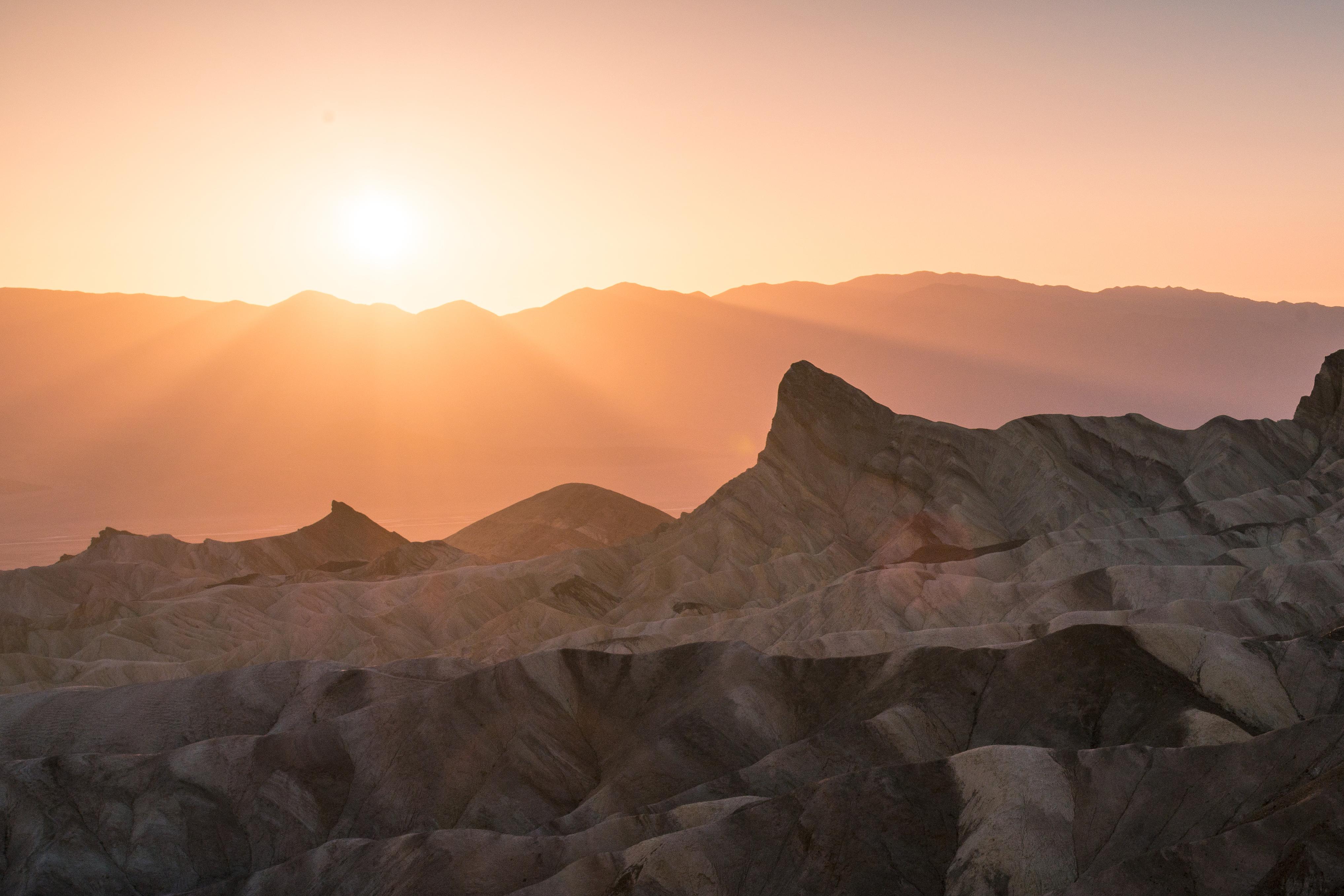
The best national parks for stargazing sit far from city lights, offer wide-open horizons, and protect some of the darkest skies left in the country. If you dream of seeing the Milky Way stretch from ridge to ridge, a handful of certified Dark Sky parks deliver truly unforgettable nights. This guide covers where to go, what makes each park special after sunset, and how to plan a trip that ends with your head tilted skyward and your camera ready.
What makes a national park good for stargazing?
Great stargazing parks combine low light pollution, dry air, high elevation, and open viewpoints where the horizon stays clear. Many hold International Dark Sky Park status, which means they actively limit artificial light and host ranger-led astronomy programs. Timing matters just as much: the darkest skies appear around the new moon, when moonlight does not wash out fainter stars, distant planets, and the streaks of meteor showers.
Which park has the darkest skies?
Death Valley National Park in California is one of the largest Dark Sky parks in the country, with vast basins and almost no nearby light. On a clear, moonless night you can see thousands of stars, the faint glow of zodiacal light, and the Milky Way core with the naked eye. Its dry desert air keeps the atmosphere steady and transparent for much of the year.
Where can you combine hoodoos and stars?
Bryce Canyon National Park in Utah pairs a natural amphitheater of orange hoodoos with famously clear, high-elevation skies. Rangers run popular astronomy programs and an annual astronomy festival that draws visitors from around the world. Nearby, Arches National Park and Canyonlands National Park frame the stars behind sandstone arches and deep canyons for striking night photography.
Which parks offer the best night photography?
Photographers love parks that frame the sky with dramatic foregrounds. Grand Canyon National Park in Arizona holds Dark Sky status and pairs the galaxy with mile-deep canyon walls. Desert parks with arches, spires, and dunes let you compose the Milky Way behind bold silhouettes. Use a sturdy tripod, a wide fast lens, and long exposures, and scout your composition during daylight so you can work efficiently once the stars appear and the temperature drops.
When is the best time to stargaze?
Plan your visit around the new moon and check the forecast for clear skies. Summer offers the brightest view of the Milky Way core, while winter brings crisp air and long nights ideal for constellations like Orion. Arrive before dark to scout a safe viewing spot, let your eyes adjust for at least twenty minutes, and bring a red flashlight to preserve your night vision.
What should you pack for a night under the stars?
Bring warm layers even in summer, since deserts and high elevations cool fast after sunset. A reclining chair or blanket, a star chart or app, binoculars, and plenty of water make the night far more comfortable. Always check the current-year rules for after-dark access, campground reservations, and any ranger program schedules before you go, since these details change annually.
FAQ
Do you need a telescope to stargaze in national parks?
No. Many parks are dark enough to reveal the Milky Way and meteor showers with the naked eye. Binoculars enhance the view of star clusters, and ranger programs often provide telescopes for visitors to use.
Which national park is best for beginners?
Bryce Canyon is ideal for beginners thanks to its easy viewpoints, regular ranger astronomy talks, and high, clear skies that make constellations simple to spot.
Are national park astronomy programs free?
Most ranger-led astronomy programs are included with park admission, though special festivals may require tickets. Check the current-year rules for schedules and any reservation requirements before your visit.