
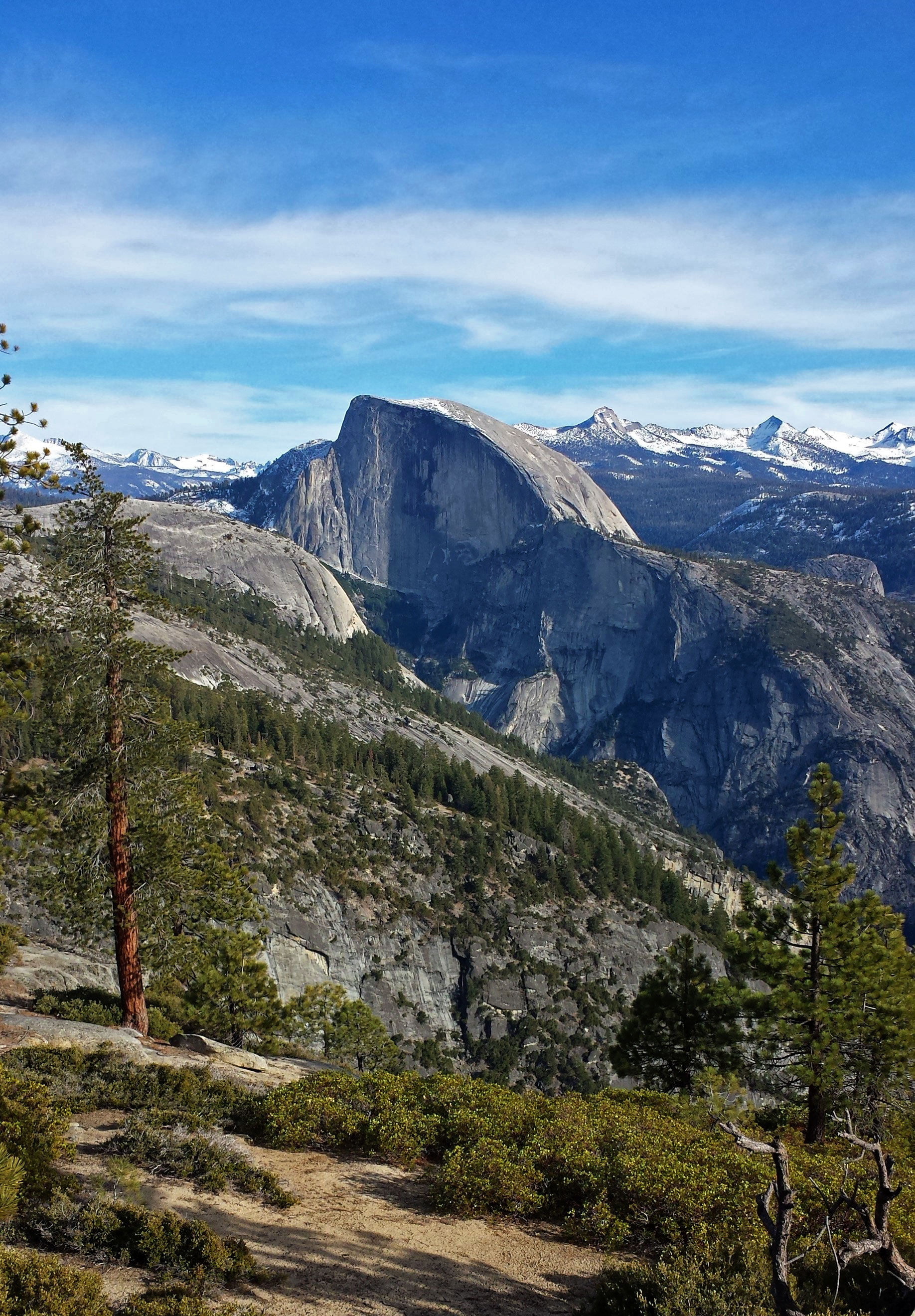
The best national parks for beginners combine easy access, well-marked trails, helpful visitor services, and unforgettable scenery that does not require any backcountry experience to enjoy. If you are planning your very first park trip, the right choice makes all the difference between feeling overwhelmed and falling in love with the outdoors. This guide highlights the most beginner-friendly parks, explains what makes them easy to visit, recommends how long to stay, and walks you through planning a smooth and confident first trip.
What makes a national park good for beginners?
Beginner-friendly parks share a few key traits: paved or clearly signed trails, shuttle systems that remove the stress of parking, plentiful lodging and dining nearby, and iconic sights reachable without a strenuous hike. Good cell service or staffed visitor centers for guidance also help first-timers feel comfortable and safe. Parks with a compact, walkable core, such as Zion National Park, let newcomers experience jaw-dropping scenery within a short, manageable outing rather than an all-day expedition.
Which national parks are best for beginners?
Zion tops many lists thanks to its shuttle system and accessible canyon trails. Grand Canyon's South Rim offers paved overlooks and a well-developed village with everything you need. Yosemite Valley packs waterfalls, meadows, and granite walls into an easy-to-navigate area. Bryce Canyon delivers short rim walks with enormous payoff, Acadia has scenic loop roads and gentle trails, and Rocky Mountain provides drive-up alpine views. Explore the options on our Bryce Canyon National Park page.
Which parks are harder for first-timers?
Some parks demand more planning or fitness. Remote Alaskan parks, Big Bend, the Everglades in summer, and Death Valley's extreme heat can be challenging for newcomers. Parks with limited services, long driving distances, or a heavy backcountry focus are better tackled once you have a trip or two under your belt. That does not mean you should avoid them forever, only that they reward a little experience first so you can enjoy them safely.
How many days should a beginner spend?
Two to three days at a single park is the sweet spot for a first visit. That gives you time to settle in, learn the shuttle or road system, walk a few short trails, and see the marquee viewpoints without feeling rushed or exhausted. Resist the temptation to string several parks together on your first trip; the driving distances are longer than most people expect, and one park done well beats three done in a blur.
How do you plan a first national park trip?
Pick one park rather than trying to see several, and give yourself at least two full days there. Book lodging or camping early, since popular parks fill months ahead. Buy the America the Beautiful pass if you plan to visit several parks in a year. Download offline maps, check whether the park requires timed-entry reservations, and build a loose itinerary around a few marquee sights rather than an exhausting checklist.
Tips for beginners
Start with short, well-traveled trails and turn back if you feel tired, carry more water than you expect to need, and always tell someone your plan. Arrive early to beat crowds and heat, wear broken-in footwear, and respect wildlife by keeping your distance. Because reservation and shuttle rules change annually, verify the current-year requirements before you go. For a first-timer itinerary, our Utah and California guides are great starting points.
FAQ
What is the easiest national park to visit?
Zion is often considered the easiest thanks to its shuttle system and accessible canyon trails, though Grand Canyon's South Rim and Yosemite Valley are also very beginner-friendly.
Do beginners need special gear?
No. For day visits, comfortable footwear, water, sun protection, and layers are enough. You do not need technical gear for the beginner-friendly trails at these parks.
Do you need reservations as a first-timer?
Some parks require timed entry or shuttle reservations in peak season. Requirements change each year, so confirm the current-year rules for your chosen park before you travel.