
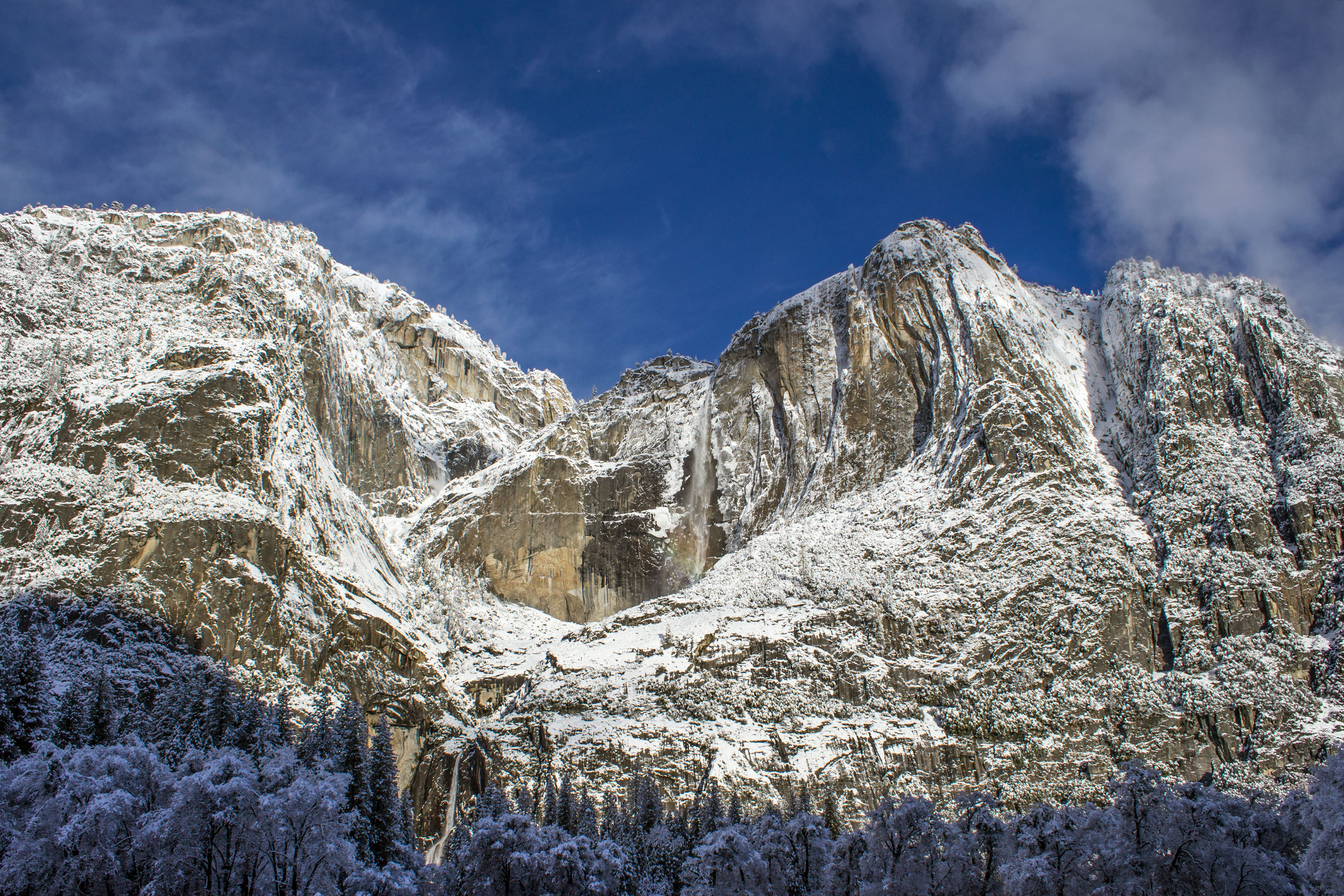
Choosing Yosemite vs Zion comes down to the kind of landscape that moves you: soaring gray granite and waterfalls, or glowing red sandstone and slot canyons. Both are among the most beloved national parks in the United States, both deliver world-class hiking, and both get very busy in summer. This head-to-head guide compares their scenery, signature trails, crowds, logistics, and ideal seasons so you can decide which one to visit first, or how to plan a longer trip that eventually includes both of these very different masterpieces.
What is the main difference between Yosemite and Zion?
Yosemite is defined by glacier-carved granite, with monoliths like El Capitan and Half Dome towering above a green valley laced with waterfalls. Zion is a red-rock canyon where the Virgin River has cut a deep, narrow gorge through Navajo sandstone. Yosemite feels vertical, alpine, and cool; Zion feels warm, intimate, and desert-hued. Dig deeper with our Yosemite National Park and Zion National Park guides.
Which park has better hiking?
Both are hiking meccas, but the flavor differs. Zion is famous for the airy chains of Angels Landing and the wade-through-the-river adventure of the Narrows, both bucket-list routes. Yosemite counters with Half Dome's cable route, the Mist Trail past thundering waterfalls, and endless high-country trails around Tuolumne Meadows. If you want variety and elevation, Yosemite edges ahead; for concentrated, heart-pounding thrills, Zion is hard to beat.
Which park is more crowded and harder to plan?
Both parks use shuttle systems and can require reservations in peak season. Yosemite has periodically required timed-entry reservations to drive in, while Zion's canyon shuttle is mandatory for much of the year and Angels Landing requires a permit lottery. Whichever you choose, plan early mornings and check the current-year rules, which change frequently for both parks.
Which is better for families?
Zion is slightly more family-friendly for younger kids, thanks to the flat Pa'rus Trail, the easy Riverside Walk, and wading in the Virgin River on hot days. Yosemite also has gentle valley-floor walks and open meadows, plus the sheer wow factor of its waterfalls in spring. Both reward families who arrive early and lean on the free shuttles to avoid parking headaches.
Which park is better for photography?
Photographers love both for different light. Yosemite delivers dramatic scale, reflections in the Merced River, and the famous glow on El Capitan and Half Dome at sunset. Zion offers warm reflected light bouncing between canyon walls, especially in the golden hours. Yosemite's waterfalls peak in spring, while Zion's colors deepen under the low sun of autumn afternoons.
Which should first-timers visit?
If it is your first big western park and you want jaw-dropping scale, Yosemite is the classic pick, especially in late spring when the waterfalls roar. If you prefer warmer weather, shorter distances, and adventurous canyon hikes, start with Zion. Neither choice is wrong, and many travelers end up doing both on separate trips.
When is the best time to visit each park?
Yosemite shines from late spring through fall, with peak waterfalls in May and June and the high country open in summer. Zion is pleasant in spring and fall, hot in summer, and quietly beautiful in winter. Explore more regional planning on our California and Utah guides before locking in dates.
FAQ
Is Yosemite or Zion better for a first visit?
Yosemite offers grand alpine scale and waterfalls, while Zion offers warm-weather canyon adventures. Choose based on the scenery and season you prefer.
Which park is easier to get around?
Both rely on shuttles in peak season. Zion's compact canyon is quick to navigate, while Yosemite is larger and more spread out.
Do both parks require reservations?
Often yes, in different forms, from timed entry to hiking permits. Rules change annually, so check the current-year rules before you travel.
Can you visit both Yosemite and Zion in one trip?
It is a long drive between them, roughly eight to ten hours, so most travelers visit them on separate trips or as part of a longer regional road trip.