
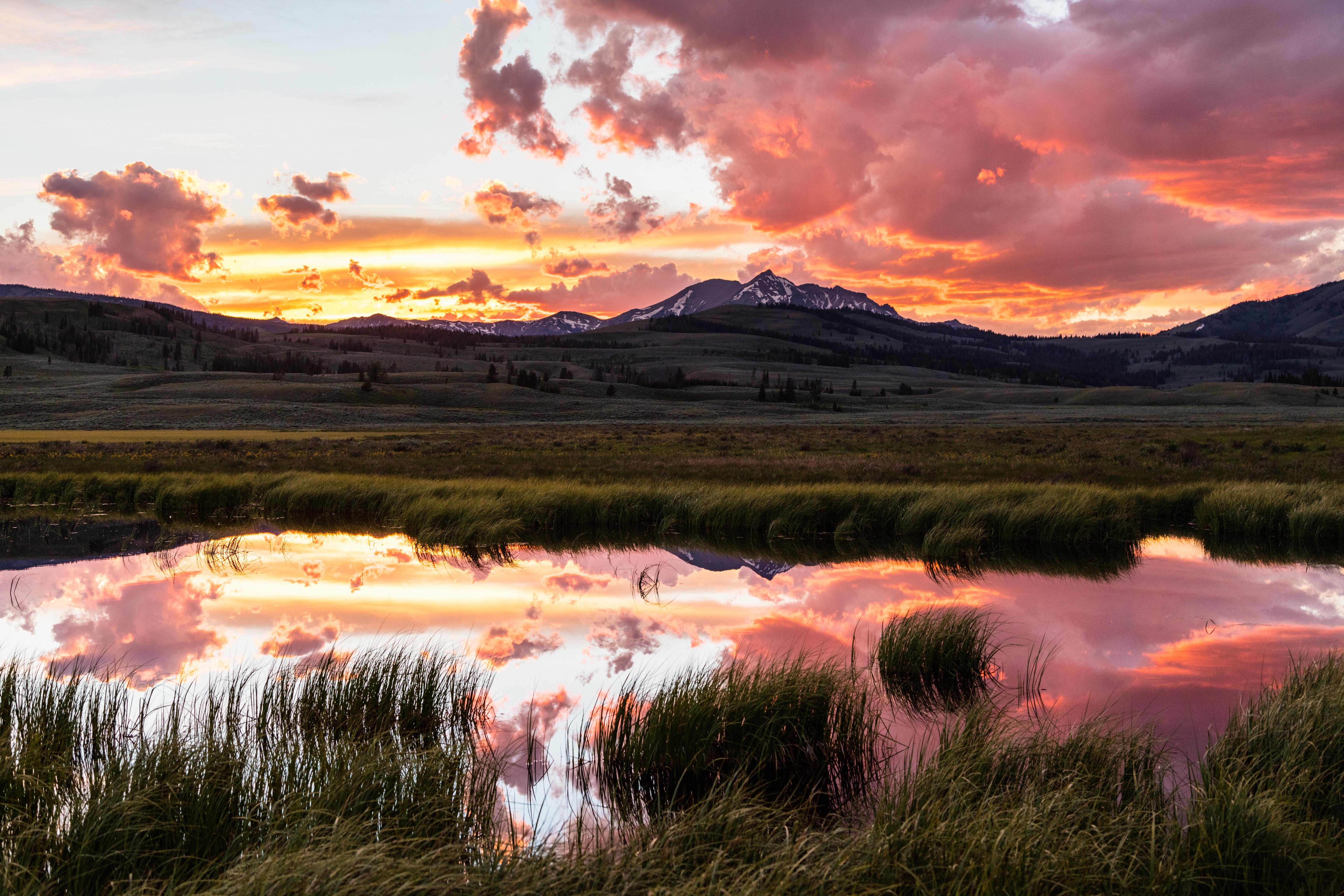
The best wildlife watching national parks, like Yellowstone, Grand Teton, and the Everglades, let you see bison, bears, wolves, alligators, and more in their natural habitat. This guide covers where to go, what animals to expect, and how to watch wildlife safely and responsibly. Animal activity and access change seasonally, so always confirm the current-year rules before you go and plan your trip around the animals you most want to see.
What are the best national parks for wildlife?
Yellowstone National Park in Wyoming is often called America's Serengeti, home to bison, elk, grizzly and black bears, wolves, and much more. The Lamar and Hayden valleys are famous wildlife-watching hotspots, especially at dawn and dusk when animals are most active. Few places anywhere offer such reliable sightings of large mammals living freely in the wild.
Why is Grand Teton great for wildlife?
Grand Teton National Park, just south of Yellowstone, adds moose, pronghorn, and abundant birdlife against a stunning mountain backdrop. The two parks pair perfectly for a wildlife-focused road trip through the region. Early mornings along the rivers and willow flats often reward patient watchers with moose, beaver, and the occasional bear.
What wildlife can you see in the Everglades?
Everglades National Park in Florida is the place to see alligators, crocodiles, manatees, and a spectacular array of wading birds. The dry winter season concentrates animals around the remaining water, making sightings far easier. Boardwalks like the Anhinga Trail put you close to the action safely without disturbing the wildlife.
Which national park is best for bird watching?
Bird watchers are spoiled for choice, but the Everglades stands out for its herons, egrets, roseate spoonbills, and wood storks, especially in the dry season. Yellowstone and Grand Teton add raptors, trumpeter swans, and songbirds along their rivers and lakes. Bring binoculars and a field guide, and visit wetlands and shorelines early in the morning when birds are most active and vocal.
When is the best time to watch wildlife?
Dawn and dusk are prime times almost everywhere, when animals are most active and the light is best for viewing and photography. Seasons matter too: spring brings newborn animals, fall brings the dramatic elk rut, and winter concentrates wildlife in the Everglades. Plan your visit around these windows for the best chances at memorable sightings.
How do you watch wildlife safely?
Always keep a safe distance, never feed animals, and use binoculars or a zoom lens instead of approaching for a closer look. In bear country, carry bear spray and make noise on trails so you do not surprise an animal. Responsible viewing protects both you and the wildlife, so follow all park guidelines and current-year rules at every stop.
How do you plan a wildlife trip?
Combine Yellowstone and Grand Teton for a big-mammal safari, or head to the Everglades in winter for reptiles and birds. Hiring a guide or joining a ranger program can boost your sightings and teach you to read animal behavior. Book lodging early in peak season, pack patience, and confirm current-year access before you go.
FAQ
What is the best national park to see animals?
Yellowstone is widely considered the best for large mammals like bison, bears, and wolves. For reptiles and birds, the Everglades is unmatched, while Grand Teton excels for moose and mountain scenery.
When is the best time to see wildlife in national parks?
Dawn and dusk are the most active times year-round. Spring offers newborns, fall brings the elk rut, and winter concentrates wildlife in warmer parks like the Everglades.
How do you stay safe around wildlife?
Keep a safe distance, never feed animals, and carry bear spray in bear country. Use binoculars or a zoom lens, and always follow park guidelines for the specific area you visit.