
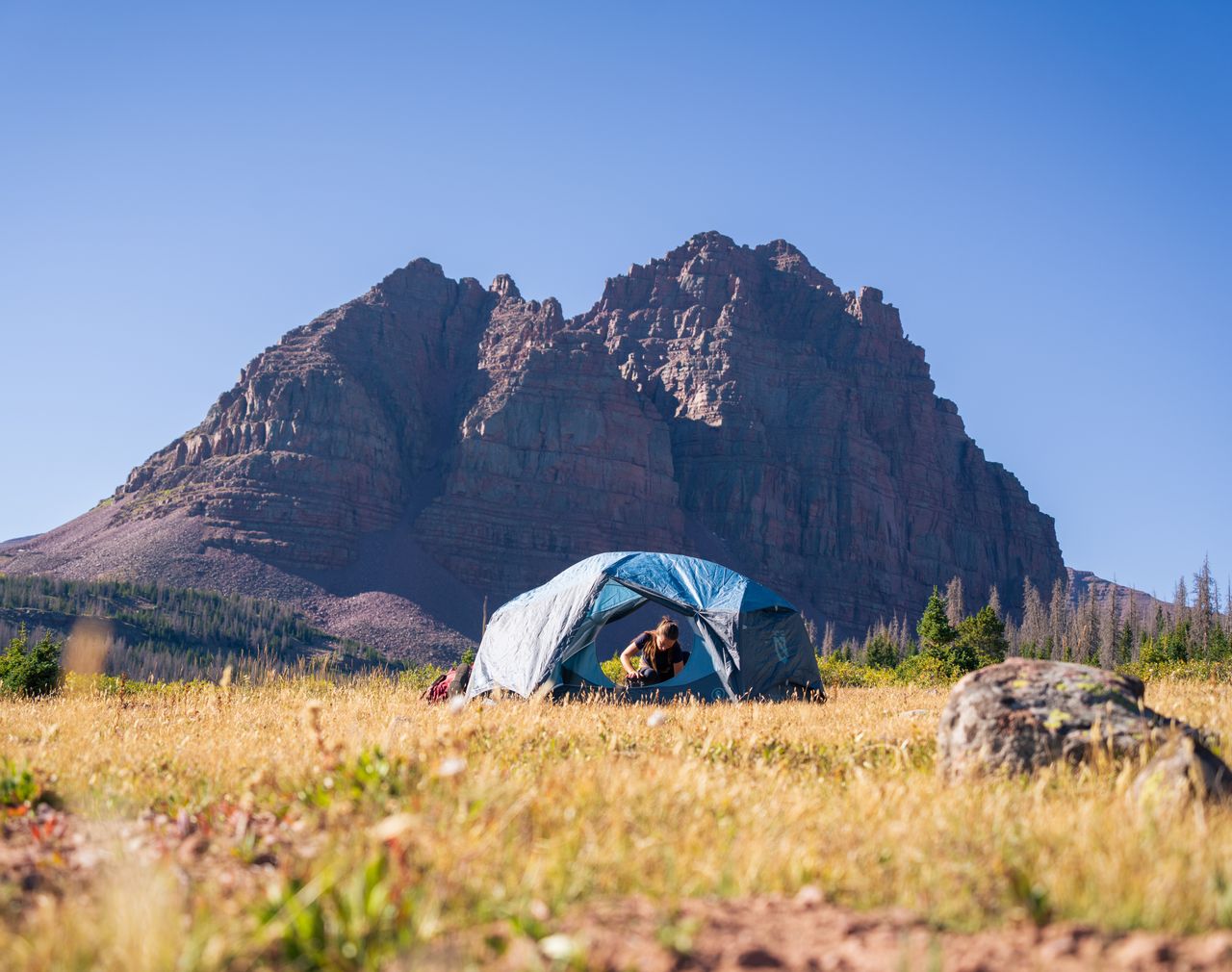
To plan a camping trip to a national park, work backwards from two dates: the morning that campground opens its booking window, and the day you actually want to arrive. Almost every trip that falls apart got those two backwards.
Most camping trips don't fall apart in the woods.
They fall apart on a laptop, three months earlier, when somebody assumes the campsite will "probably be fine" and doesn't book it. Or at the gate, when the road they needed has been closed since spring and nobody checked.
The camping part is easy. The planning part is where people get burned.
So here is the whole thing, start to finish, for any site in the system. Not a specific park. The method that works for all 433 of them. Follow it in order and you will not be the person turned away at a locked gate.
1: Pick the place, then pin the dates
Start with the site and the season, in that order, because the season decides everything that comes after it.
A desert park in July and the same park in October are two different trips with two different packing lists and two different crowds. Mountain parks have roads that don't even open until late spring and close again by fall. A coastal site has a bug season nobody warns you about.
Before anything else, answer two questions. What do I want to see there, and when is it actually good to go?
Then lock your dates. Everything below keys off them.
One thing almost nobody knows: most sites in the National Park System are free to enter. Only some charge an entrance fee, and only a handful require any kind of reservation at all. So before you spiral into logistics, check whether your site even needs them. A lot of the time, the answer is no, and you can just go.
2: The pass question, answered once
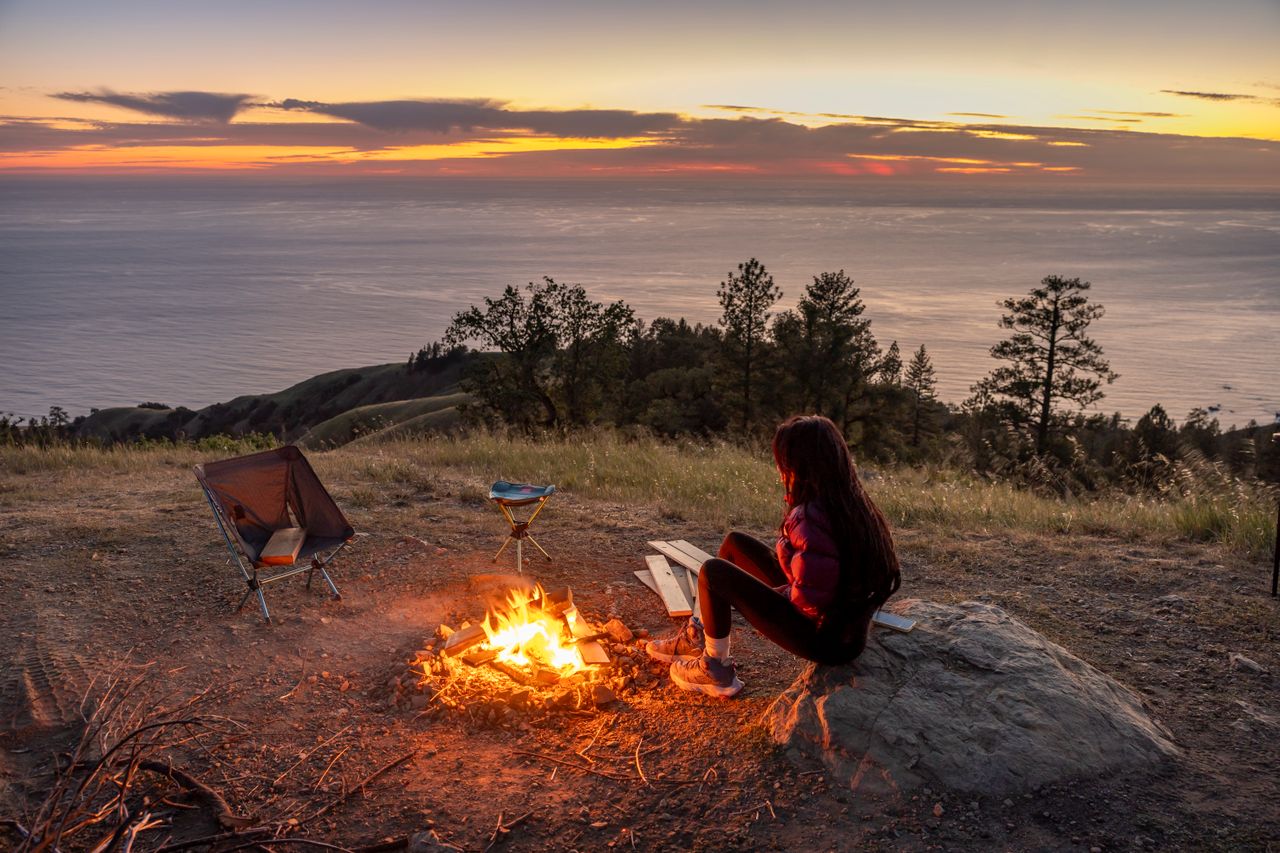
If your site does charge entry, you have a decision to make, and it takes about thirty seconds.
The America the Beautiful annual pass is $80 for U.S. residents. It covers entry at more than 2,000 federal sites for a full year, and it's now fully digital, so you buy it on Recreation.gov and it lives in your phone.
The math is simple. Single-park entry usually runs $20 to $35 per vehicle. If you'll hit three or more fee parks in a year, the $80 pass pays for itself and then some. If this is a one-and-done trip to one park, just pay the gate fee and skip the pass.
A few things worth knowing. The pass covers your vehicle and everyone in it, or you plus three other adults where they charge per person. Kids under 16 get in free regardless. Seniors 62 and up pay $20 a year or $80 for life. And you have to show photo ID with the pass, so the name needs to match a human in the car.
For non-residents, the structure changed in 2026. The annual pass is $250, and if you skip it, there's a $100-per-person surcharge at eleven of the busiest parks, including Grand Canyon, Yellowstone, Yosemite, and Zion, on top of the normal entrance fee. If you're hosting friends from abroad, tell them before they're standing at the booth doing surprise arithmetic.
3: The reservation morning (this is the one that matters)
Here is where most trips are won or lost.
If your campground takes reservations, almost all of them open on a rolling six-month window. A site for July 15 becomes bookable on January 15. Most release at 7am Pacific, 8am Mountain, 10am Eastern. Most. Not all, and the exceptions will bite you.
Some examples of the exceptions, because they're the ones people miss:
Yosemite Valley campgrounds release one month at a time, on the 15th of each month, five months ahead.
Yellowstone dumps its whole summer on a single date in late March or early April.
Some Forest Service and BLM sites open only 14 days out.
The rule that saves you: the only booking window you can trust is the one printed on that specific campground's own page on Recreation.gov. Find it. Write down the exact date and the exact time zone. Set an alarm.
Then, the popular ones. Many Glacier in Glacier, Watchman in Zion, the Yosemite Valley loops, Devil's Garden in Arches. These fill in seconds. Not minutes. Seconds. There is no waitlist and no queue. When the window opens, everyone in the country is clicking at the same instant on the same inventory.
So the morning of, treat it like buying concert tickets:
Be logged in and on the campground page before the clock hits.
Have a payment card saved and a second card ready, because a declined card while the timer runs is the single most common way people lose a site.
Once you select a site, you get about 15 minutes to finish. Do not open other tabs. Just complete it.
Expect an $8 reservation fee on top of the nightly rate.
One pro move: book-and-trim. If a campground lets you book a longer stretch, grab the maximum nights ending on your real checkout date, then shorten the reservation later. It can buy you a head start on the window and lock the dates you actually need.
And if you miss it entirely, don't quit. Cancellations get released back immediately, and they happen every single day, heaviest about 10 to 14 days before a check-in date. Check obsessively in that window. Heads up that canceling your own booking costs a $10 service fee, which is also why other people's plans keep falling through and feeding you openings.
A timed-entry permit is not a campsite
This trips up smart people constantly, so read it twice.
Some parks run a timed-entry or vehicle-reservation system that controls when you can drive in during peak hours. That is a completely separate thing from your campsite booking. Having one does not get you the other.
These systems also change every single year. In 2026, Rocky Mountain is running timed entry from late May through mid-October for daytime hours, while Yosemite and Glacier suspended their vehicle reservations for the season. Next year that could flip. So never assume last year's rule still holds.
If your park uses timed entry, you're managing two reservations on two different release schedules. Track them separately or you'll show up with a campsite and no way to legally drive to it.
5: Check the alerts before you drive, not after
A campground booking is a promise about a patch of dirt. It is not a promise that the road to it is open.
Roads wash out. Trails close for rockfall or bears or fire. Water gets shut off. Campgrounds shut sections for maintenance. The Park Service posts all of it, and the cruelest version of this trip is finding out about a closure after a six-hour drive instead of before you packed the car.
So the night before you leave, and again the morning you go, check the current alerts for your exact park. The thing you're looking for is simple: is the road I need open, is the trail I came for open, is my campground actually operating. Five minutes here saves the whole trip.
6: Pack for the real place, not the postcard
Two assumptions wreck more campers than bad weather.
The first: that there's power. Most national park campgrounds have no electrical hookups. None. Plan to run on batteries, a power bank, or a small solar setup, and assume your phone will not charge in camp.
The second: that there's signal. There usually isn't. Download your maps offline before you lose bars, screenshot your reservation confirmation, and tell someone at home your route and return time.
After that, pack for the specific place and season you picked back in Session 1:
Layers, always. Deserts and high country both swing wildly between day and night.
Way more water than feels reasonable, especially anywhere dry or high.
Food storage that matches the park. Bear country means a bear canister or using the metal food lockers at the site. This isn't optional, and it isn't only about your safety. A bear that learns to raid campsites often ends up dead. Storing your food right protects the animal as much as you.
A real first-aid kit, a headlamp, and a paper backup of directions.
Be the kind of guest that keeps these places open
The whole system runs on the idea that millions of people can pass through and the land survives it. That only works if everyone plays the same way.
Pack out everything you bring in. Stay on the trail. Don't feed anything with a heartbeat. Keep your fire where fires are allowed and dead out when you leave. Keep the noise down so the next person gets the quiet they drove all that way for.
It's simple. Leave it better than you found it, or at least exactly as good.
The ten-minute version
If you remember nothing else:
Pick the place and the season. Check if you even need a pass or a reservation, because often you don't. If you do, find the exact booking window on that campground's own page and set an alarm. Keep your timed-entry permit and your campsite straight, they're different things. Check the alerts the night before you drive. Pack for no power and no signal. And store your food like a bear's life depends on it, because it does.
Do that, and the hard part's over.
The rest is just you, a fire, and a piece of the most varied country on Earth that almost nobody bothers to go see.
Go see it.
For park-by-park specifics, browse our full park directory or start from the state index. Popular starting points include Yellowstone, Yosemite, and Great Smoky Mountains, and you can check statewide options in California or Wyoming.
FAQ
How far in advance should I book a national park campground?
Most popular campgrounds open bookings six months ahead to the day, and the best sites go within minutes. Some first-come, first-served campgrounds never take reservations at all. Check the specific campground's page for its current-year booking window.
Do I need a park pass and a campsite reservation?
They are separate purchases. A pass covers entrance where an entrance fee applies; a campsite reservation covers your pitch. Neither one substitutes for the other, and a timed-entry permit is a third, separate thing.
What is the difference between a timed-entry permit and a campsite?
A timed-entry permit governs when you may drive into the park on a given day. A campsite reservation governs where you sleep. At several parks a valid campground booking exempts you from timed entry, but confirm the current-year rule for that specific park.
Which parks are easiest for first-time campers?
Parks with large, well-serviced campgrounds and short drives from a gateway town are the gentlest introduction. See our guide to the best national parks for beginners.
Do I need to store food even if I am not in bear country?
Yes. Rodents, raccoons and corvids cause far more raids than bears do, and food left out habituates wildlife anywhere. Use the provided locker or your vehicle, and follow the posted rules for that campground.