
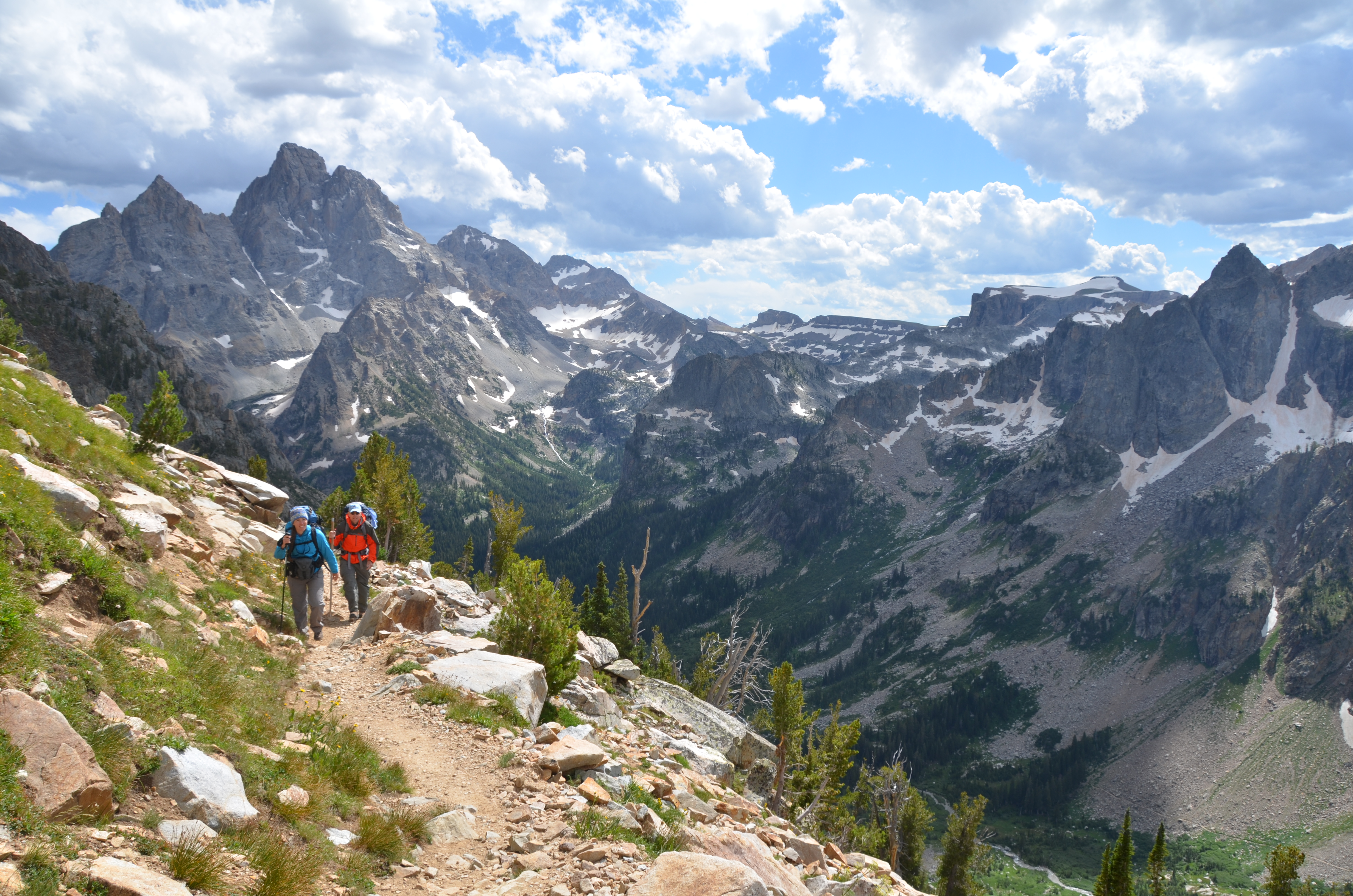
The best national parks in July are the high, cool, mountain parks whose alpine roads and trails finally shed their snow just in time for peak summer. July is when Glacier's famous road fully opens, when the Rocky Mountain high country bursts into wildflowers, and when long daylight lets you pack more into each day. It is also the busiest month of the year in many parks, so this guide highlights where July truly shines, which hot-weather parks to avoid, and how to beat the crowds with smart timing and a little advance planning.
Why is July a great month for the mountain parks?
By July, snow has melted from most high passes, seasonal roads are open, and meadows explode with wildflowers. Rivers run strong from the spring melt, alpine lakes finally thaw, and wildlife is active with young animals following the greenery upslope. The trade-off is peak crowds and the need for reservations at many marquee parks, so early starts and advance planning matter more in July than at any other time of year.
Is Glacier National Park good in July?
July is arguably the best month to visit Glacier, as the Going-to-the-Sun Road usually opens fully by early to mid month and Logan Pass wildflowers reach their peak. Hikes like the Highline Trail and Grinnell Glacier are typically clear of snow and open for the season. Expect vehicle reservations and busy trailheads, and check the current-year rules with our Glacier National Park guide before you go.
What about Grand Teton and the Rockies?
The Teton Range and the broader Rockies are superb in July, with warm days, blooming meadows, and fully open trails to high lakes and passes. Grand Teton pairs perfectly with nearby Yellowstone for a classic summer road trip, and cool mountain evenings make camping comfortable. Plan your route with our Grand Teton National Park guide and see more on our Wyoming page.
Which park has the best July wildflowers?
Mount Rainier's subalpine meadows, aptly nicknamed Paradise, put on one of the greatest wildflower shows in the country during mid to late July. Lupine, pasqueflower, and paintbrush carpet the slopes beneath the glaciated volcano, framed by snowfields that linger all summer. Time your visit with our Mount Rainier National Park guide, since peak bloom shifts each year with the snowpack.
Which parks should you avoid in July?
Skip the low desert parks in July unless you love extreme heat. Death Valley, Joshua Tree, and the Utah red-rock parks can be dangerously hot, with temperatures that make midday hiking risky or even life-threatening. If you must visit desert parks in summer, plan for dawn activity only, carry far more water than you think you need, and rest during the hottest hours of the afternoon.
What else makes July special for park trips?
July delivers the longest, warmest days of the year, with sunlight stretching well past 9 p.m. in the northern parks. That means more time for sunrise hikes, leisurely picnics, and golden-hour photography. Ranger programs, boat tours, and campground amenities are all in full swing, and swimming or paddling on an alpine lake becomes a genuine option on a hot afternoon.
How do you beat the July crowds?
Arrive at trailheads before sunrise, visit popular sights at midday when others are eating, and explore the less-famous corners of each park. Booking campgrounds and any required entry or road reservations well in advance is essential in July. Weekdays are quieter than weekends, and the hour after dinner often brings soft light and thinner crowds.
FAQ
What are the best national parks to visit in July?
Glacier, Grand Teton, Mount Rainier, and other high mountain parks are ideal in July, when alpine roads open and wildflowers peak.
Are national parks crowded in July?
Yes, July is one of the busiest months. Reservations, early starts, and weekday visits help you avoid the worst of the crowds.
Which parks are too hot in July?
Low desert parks like Death Valley and Joshua Tree can be dangerously hot in July and are better visited in cooler months.
Do I need reservations for July trips?
Many popular parks require entry, road, or camping reservations in summer. Rules change annually, so check the current-year rules before you go.