
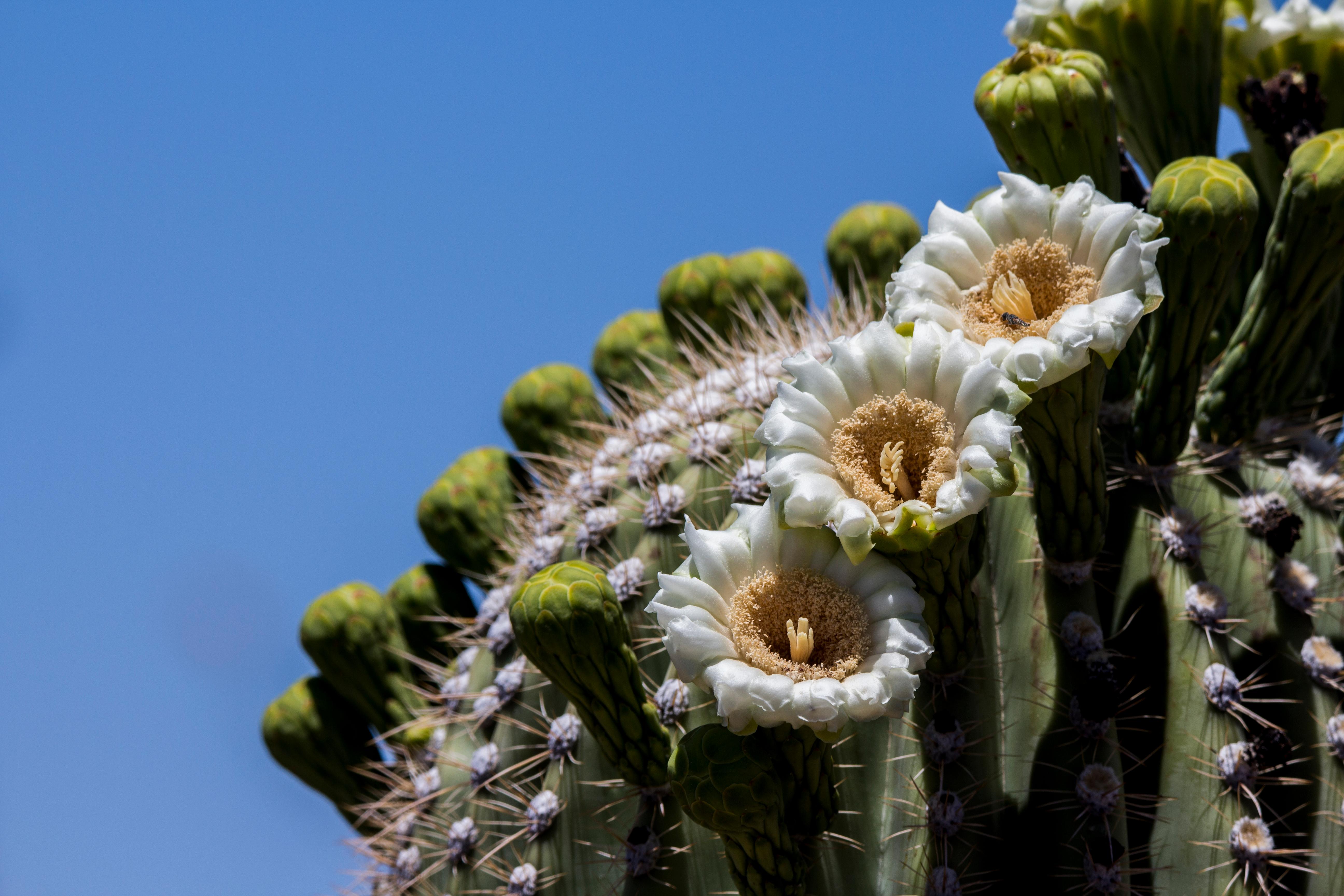
The best national parks near Tucson start with Saguaro National Park, the giant-cactus preserve that hugs the city on two sides, and expand outward to a ring of desert monuments and sky-island wilderness within day-trip range. Tucson is one of the few major cities in the country with a full national park at its doorstep, so you can watch a saguaro-studded sunrise and still be back downtown for dinner.
What national park is closest to Tucson?
Saguaro National Park is the closest, and it is split into two districts that bookend the city. The Rincon Mountain District (Saguaro East) sits about 20 minutes from downtown and offers the paved Cactus Forest Loop Drive, while the Tucson Mountain District (Saguaro West) lies roughly 30 minutes west with denser cactus stands and gentler trails. Both protect the towering saguaro, a cactus that can live 150 years and grow arms only after decades. You can explore Saguaro National Park in a single day by pairing one scenic drive with a short interpretive walk.
Which other parks can you reach on a day trip?
Beyond Saguaro, southern Arizona is full of federally protected desert. Chiricahua National Monument, with its balanced rock hoodoos, is about two hours southeast, and Kartchner Caverns State Park sits an hour south for those who prefer cool underground tours. If you are willing to make it a longer road trip, the South Rim of Grand Canyon National Park is around four hours north and easily becomes an overnight. Travelers basing themselves farther north should also compare our guide to the national parks near Phoenix, which overlaps with several of the same destinations.
When is the best time to visit?
The desert around Tucson is most comfortable from November through April, when daytime highs sit in the 60s and 70s and nights turn crisp. Summer brings triple-digit heat, so hikers should start before sunrise and carry far more water than feels necessary. Late summer's monsoon season delivers dramatic afternoon thunderstorms and wildflower flushes, but also flash-flood risk in the washes. Spring is prime for blooming cactus and cooler trail conditions, which is why it draws the biggest crowds.
How much time do you need?
A single full day is enough to sample Saguaro National Park, but two days let you see both districts at their best light and add a longer hike like the Hugh Norris Trail. Building in a third day opens the door to Chiricahua or a caverns tour without rushing. Reservation, permit, and entrance-fee rules change from year to year, so check the current-year rules on the park's official pages before you go.
Where should you base yourself?
Downtown Tucson makes the most convenient hub, with hotels, historic barrio neighborhoods, and quick freeway access to both Saguaro districts. Travelers who want to wake up inside the desert can book a resort tucked against the Tucson Mountains near Saguaro West, or camp at Gilbert Ray Campground just outside the park boundary. For a Grand Canyon add-on, plan an overnight in Flagstaff or Tusayan rather than attempting the long round trip in one exhausting day.
FAQ
Is Saguaro National Park free to enter?
No, Saguaro charges a per-vehicle entrance fee that covers seven days, though it is waived on the NPS fee-free days. Check the current-year rules for exact pricing and any free-entrance dates.
Can you see both Saguaro districts in one day?
Yes, the two districts are about 45 minutes apart by car, so an early start lets you drive the loop in one and hike in the other. Most visitors devote a morning to each.
Are entrance reservations required?
Saguaro does not currently use a timed-entry system, but popular trailheads fill their small lots early. Arrive before mid-morning and confirm the current-year rules before your trip.
What should I bring for a desert day hike?
Carry at least two to three liters of water per person, sun protection, sturdy shoes, and a charged phone. Cell coverage is spotty in the mountain districts, so download maps in advance.