
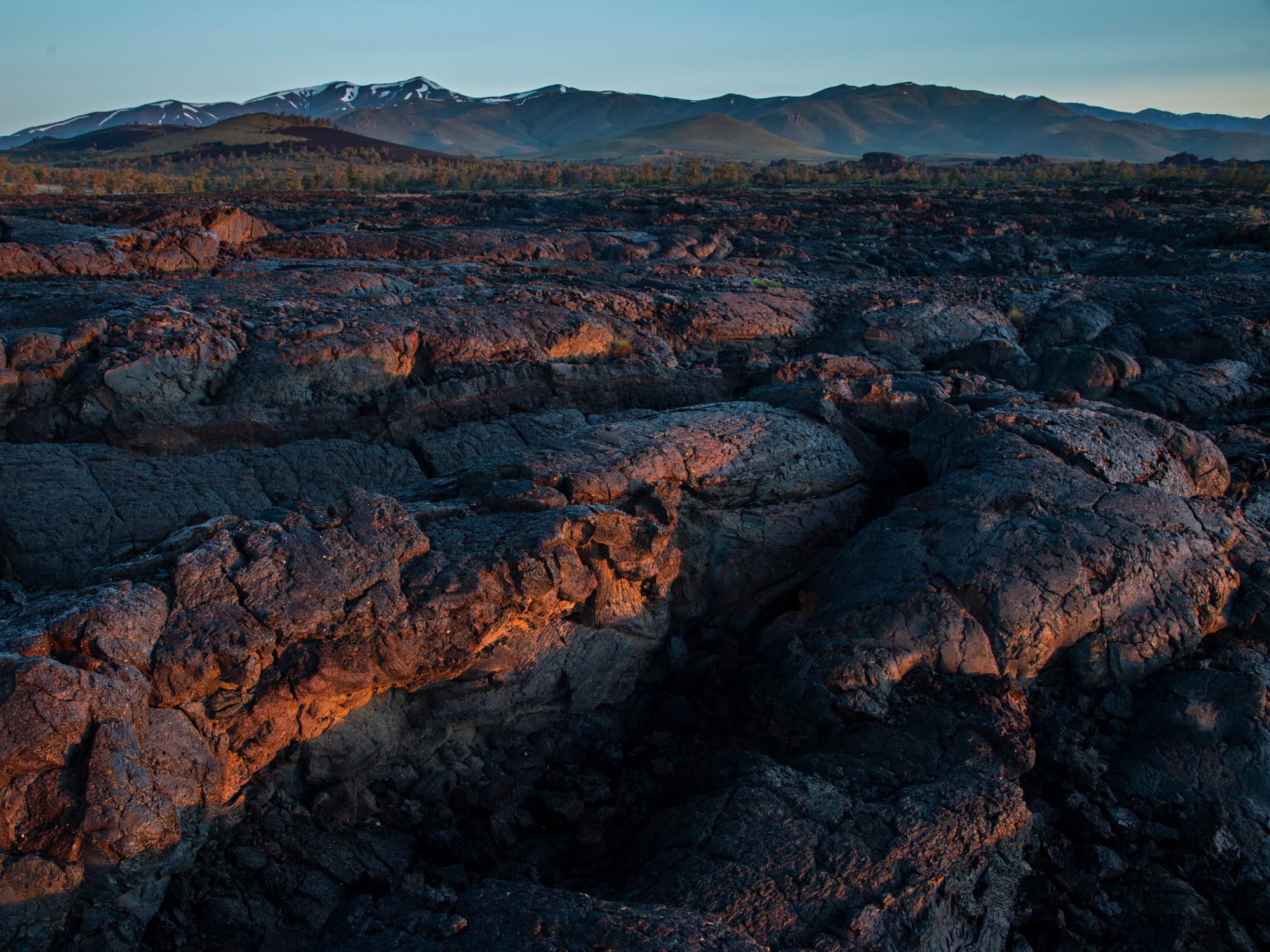
The best national parks near Boise range from an otherworldly volcanic landscape barely three hours away to two of the most iconic parks in the country within a long day's drive. If you are based in Idaho's capital and want genuine national-park scenery, Craters of the Moon is your closest and easiest option, while Yellowstone and Grand Teton reward an early start or, better yet, an overnight stay along the way. This guide breaks down what is realistic, how long each drive takes, and how to make the most of your time.
Which national parks are closest to Boise?
The nearest National Park Service unit is Craters of the Moon National Monument and Preserve, a vast sea of lava flows, cinder cones, and lava tubes east of the city. Beyond that, the marquee destinations are Yellowstone National Park and Grand Teton National Park, both reached by driving across the eastern half of Idaho. None sit right on Boise's doorstep, but all three are realistic targets with the right plan and an early alarm.
How far is Craters of the Moon from Boise?
Craters of the Moon is roughly a three-hour drive from downtown Boise, which makes it the only park you can comfortably enjoy as a single day trip. The seven-mile loop road is short, and in an afternoon you can climb the Inferno Cone for sweeping views, explore the Indian Tunnel lava tube, and wander the Devils Orchard nature trail. Bring plenty of water and sun protection, because the black basalt radiates heat and there is almost no shade anywhere in the monument. A headlamp is essential if you plan to explore the caves.
Can you day-trip to Yellowstone or Grand Teton from Boise?
Technically yes, but it is a stretch. Yellowstone's western entrance at West Yellowstone sits around five hours away, so a same-day return means a very long drive with little time to actually see the park. Most travelers turn these into a two- or three-day loop, overnighting in Idaho Falls or West Yellowstone. Grand Teton is a little farther still and pairs naturally with Yellowstone, since the two parks share a boundary and one scenic road connects them. Booking a night on the road transforms a rushed dash into a proper trip.
What is the best route east?
The fastest path follows Interstate 84 to Interstate 15, then cuts toward the parks through Idaho Falls. For a more scenic drive, US-20 threads past Craters of the Moon and the Sawtooth country, letting you combine the monument with a longer trip toward Yellowstone. Fuel up before leaving the interstate corridor, because services thin out considerably across the high desert and mountain passes, and cell coverage can disappear for long stretches.
When is the best time to visit?
Late June through September offers the most reliable access, with mountain passes clear and park roads fully open. Craters of the Moon is most pleasant in spring and fall when daytime temperatures are milder and the crowds thin out. If you travel in winter, check the current-year road and entrance conditions before you go, since seasonal closures are common in this region and change from year to year. Summer afternoons can bring thunderstorms, so start early and watch the sky.
How should you plan your trip?
Decide first whether you want a relaxed single-park day or a multi-day loop. For a day out, Craters of the Moon is the clear pick. For the bucket-list parks, give yourself at least two nights so the driving does not swallow the trip. Reserve lodging and campsites well ahead in summer, and carry snacks, water, and a paper map as a backup.
FAQ
Is there a national park inside Boise city limits?
No. There is no national park within Boise itself, but Craters of the Moon is the nearest National Park Service site and works well as a full-day trip from the city.
Do I need a reservation to visit these parks?
Craters of the Moon does not require a timed reservation, but Yellowstone and Grand Teton lodging and campgrounds fill early. Check the current-year rules and fees before planning, as they change annually.
What pass covers entry?
The America the Beautiful pass covers entrance at all of these sites and quickly pays for itself if you plan to visit more than a couple of parks in a single year.