
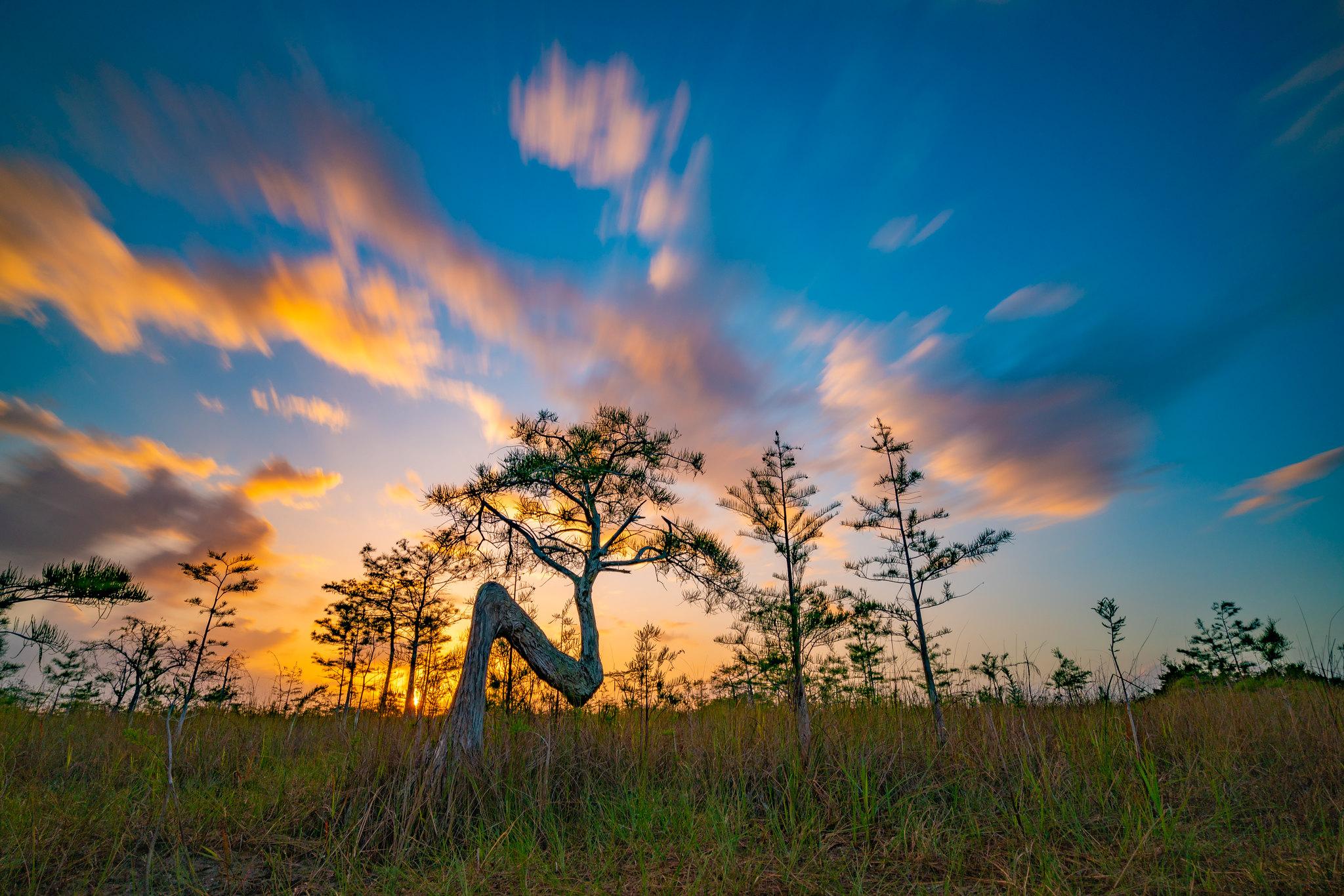
The national parks in Florida are all about water: sawgrass wetlands teeming with alligators, coral reefs beneath turquoise bays, and a remote fort ringed entirely by the sea. This guide covers Florida's three national parks, what makes each one unique, and how to plan a visit around the weather. Access, fees, and boat or ferry schedules change from year to year, so always confirm the current-year rules before you finalize any plans.
How many national parks are in Florida?
Florida has three national parks: Everglades, Biscayne, and Dry Tortugas. Each is dominated by water rather than mountains, from the famous "River of Grass" to living coral reefs and a Gulf island fortress far offshore. Together they make Florida a paradise for paddlers, snorkelers, and wildlife watchers looking for something well beyond the state's beaches and theme parks.
What is the most famous national park in Florida?
Everglades National Park is the largest and most famous, a vast subtropical wetland that shelters alligators, crocodiles, wading birds, and the elusive Florida panther. You can explore it by boardwalk, tram, kayak, or an airboat tour along the fringes of the park. The dry winter season is the best time to visit, when wildlife concentrates around the remaining pools of water and mosquitoes are far less of a problem.
What makes Biscayne National Park special?
Biscayne National Park is about 95 percent water, protecting a stretch of the only living coral reef in the continental United States just south of Miami. Snorkeling, diving, and boating are the main draws here, and much of the park is only reachable by boat. It offers a completely different experience from the Everglades despite being just a short drive away.
Is Dry Tortugas worth the trip?
Dry Tortugas National Park lies about 70 miles west of Key West and is reachable only by boat or seaplane. Its centerpiece is the massive 19th-century Fort Jefferson, surrounded by clear water that is ideal for snorkeling right off the beach. The effort required to get there keeps crowds low and rewards visitors with one of the most remote and rewarding parks in the entire system.
How do you plan a Florida national parks trip?
Everglades and Biscayne are both near Miami and can be paired over a few days, while Dry Tortugas requires a separate trip down to Key West and an early ferry or seaplane booking. Winter and early spring bring the best weather, the fewest mosquitoes, and prime wildlife viewing across all three parks. Summer is hot, buggy, and stormy, so plan accordingly and reserve any ferries and tours well in advance.
What should you know before visiting Florida's parks?
Bring sun protection, insect repellent, and plenty of water, since shade and services are limited across all three parks. Much of the best scenery is on or under the water, so consider a boat tour, kayak rental, or snorkel trip to see the parks at their best. Always check current-year ferry schedules, fees, and any seasonal closures before you finalize your plans and travel dates.
FAQ
What is the best national park in Florida?
Everglades is the most iconic and accessible, but Biscayne is best for snorkeling and Dry Tortugas for adventure and history. The best choice depends on whether you want wildlife, reefs, or remote exploration.
When is the best time to visit Florida's national parks?
The dry winter season, roughly December through April, offers the best weather, the fewest mosquitoes, and the best wildlife viewing. Summer is hot, humid, and prone to afternoon thunderstorms.
Do you need a boat to visit Florida's national parks?
You can see parts of the Everglades by car and boardwalk, but Biscayne and Dry Tortugas are best experienced by boat. Dry Tortugas is only reachable by ferry or seaplane.