
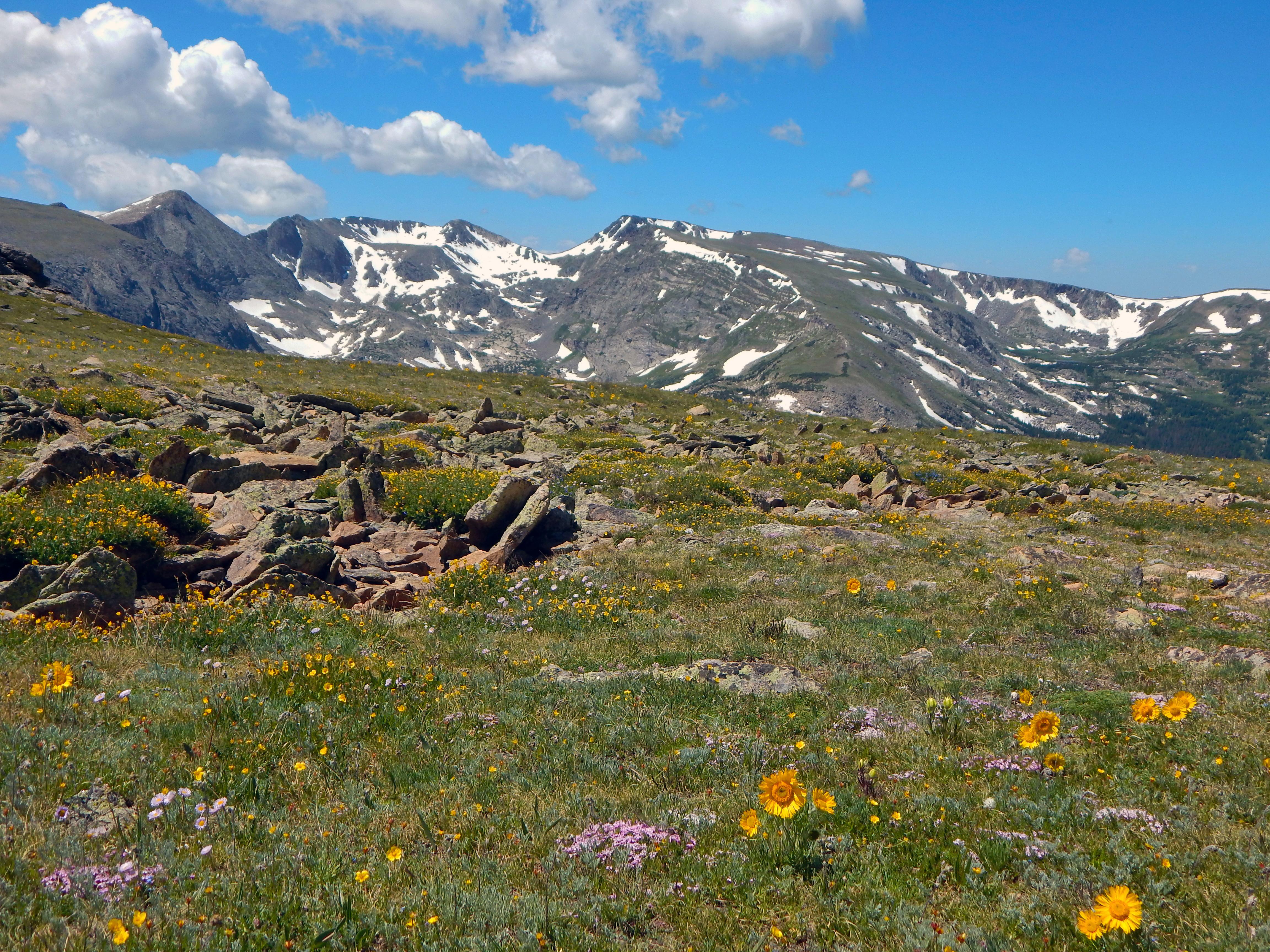
The national parks in Colorado range from alpine peaks to ancient cliff dwellings and the tallest sand dunes in North America, giving road-trippers four very different landscapes to explore. This guide covers each of Colorado's four national parks, what makes them special, and how to string them together into one memorable trip. Fees, timed-entry rules, and seasonal road access change from year to year, so always confirm the current-year rules as you plan your route and dates.
How many national parks are in Colorado?
Colorado has four national parks: Rocky Mountain, Mesa Verde, Great Sand Dunes, and Black Canyon of the Gunnison. Each protects a distinct environment, from high alpine tundra to desert dunes and a sheer river gorge carved by the Gunnison River. Together they make Colorado one of the best states in the country for a varied national-park road trip that changes character almost every day you are on the road.
What is the most popular national park in Colorado?
Rocky Mountain National Park is by far the most visited, famous for Trail Ridge Road, alpine lakes, and abundant elk. It uses a timed-entry reservation system in peak season, so plan ahead and book your permits early. Its accessible trails and dramatic scenery make it the natural centerpiece of most Colorado park itineraries, especially for first-time visitors who want big mountain views without a long backcountry trek.
Which Colorado parks are worth the detour?
Mesa Verde National Park preserves remarkable Ancestral Puebloan cliff dwellings in the state's southwest, best explored on a ranger-led tour. Great Sand Dunes lets you sled towering dunes backed by snowcapped peaks, while Black Canyon of the Gunnison drops into one of the steepest, narrowest gorges in the country. Each of these three rewards the extra driving with scenery you simply cannot find anywhere else in the state.
How do you plan a Colorado national parks road trip?
Rocky Mountain sits north near Estes Park and Denver, while the other three cluster in the south and west, so most trips split into a northern leg and a southern loop. Summer opens the high country but brings crowds and afternoon storms, while fall adds golden aspens and cooler, clearer air. Give yourself at least a week to see all four without rushing, and book lodging and any timed-entry permits well in advance of your visit.
Which Colorado park is best for families?
Great Sand Dunes is a standout for families, since kids love sledding the dunes and splashing in the seasonal Medano Creek at their base. Rocky Mountain offers easy lake walks, a junior ranger program, and reliable wildlife sightings that keep children engaged. Mesa Verde's guided cliff-dwelling tours fascinate older kids, though some involve ladders and tight spaces, so check age and mobility recommendations before booking a tour.
What should you know before visiting Colorado's parks?
Altitude is the biggest surprise for many visitors: Rocky Mountain's high points top 12,000 feet, so give yourself time to acclimatize, drink plenty of water, and watch for symptoms of altitude sickness. Weather can shift quickly in the mountains, with sunny mornings giving way to lightning-filled afternoons, so start hikes early. Check each park's current-year fee, reservation, and road-opening status before you go, since spring snow can keep high roads closed well into summer.
FAQ
What is the best national park in Colorado?
Rocky Mountain National Park is the most popular for its alpine scenery and accessibility, but the best one depends on your interests. History lovers favor Mesa Verde, while adventurers may prefer Great Sand Dunes or Black Canyon.
Can you visit all of Colorado's national parks in one trip?
Yes, but plan for a week or more of driving, since the parks are spread across the state. A common approach is to combine the three southern and western parks and add Rocky Mountain on its own.
When is the best time to visit Colorado's national parks?
Summer offers the fullest access to high-elevation roads and trails, while September brings fall color and thinner crowds. Winter limits access in the mountains but can be beautiful and quiet at the lower-elevation parks.