
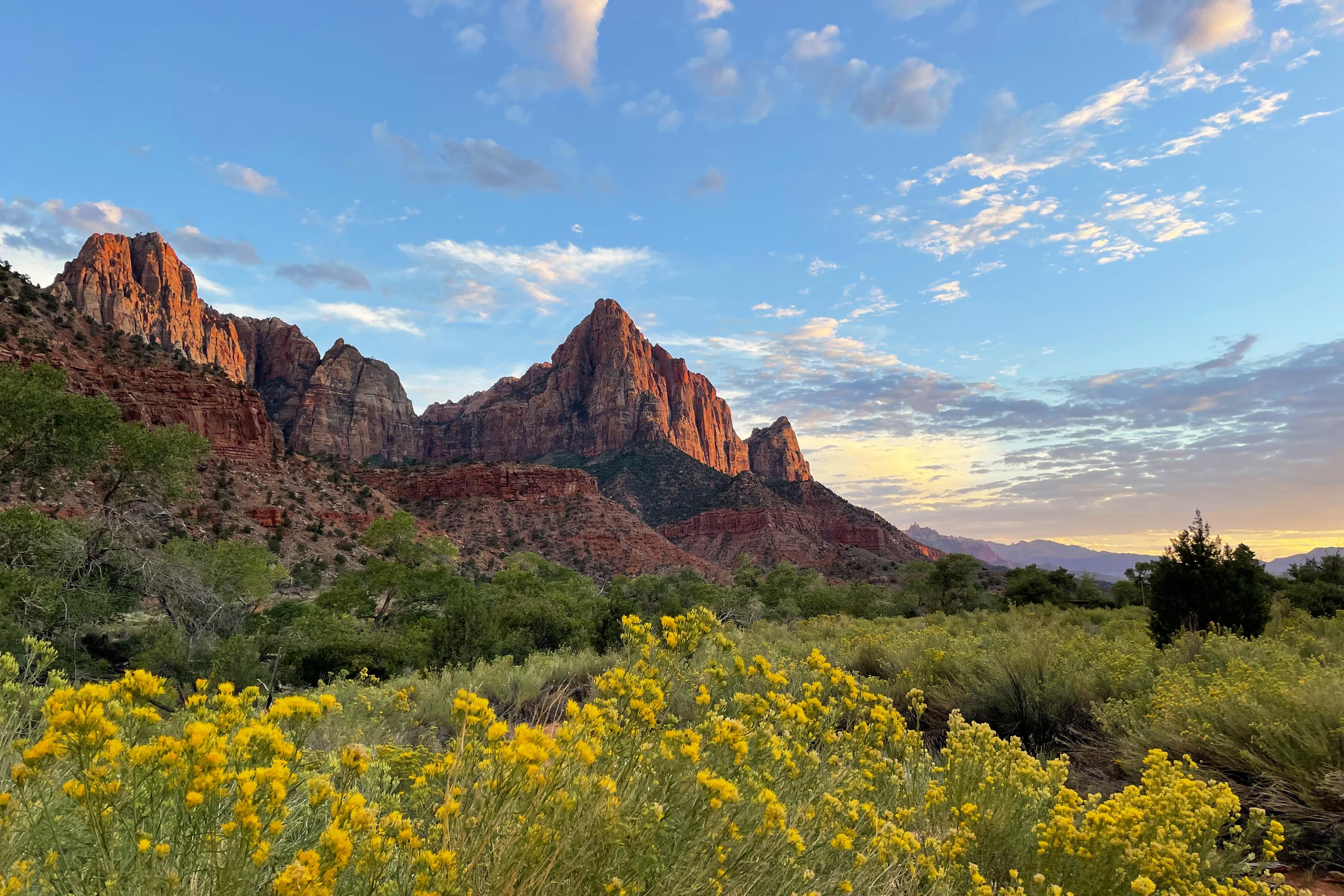
The best national parks for hiking pack a lifetime of trails into a single visit, from knife-edge ridgelines and slot canyons to wildflower passes and glacier-fed lakes. Great hiking parks share a few things: dramatic scenery you can reach on foot, a range of trail lengths for every ability, and enough backcountry to keep you coming back. This guide highlights the parks that hikers rank at the very top, the signature trails that define them, and how to plan a safe, rewarding trip no matter your experience level.
What makes a national park great for hiking?
The best hiking parks combine variety and payoff. You want short, scenic walks for warming up, plus longer routes that climb to a summit, a lake, or a canyon rim. Well-marked trails, reliable water sources, and a strong ranger presence make a park more welcoming. The parks below deliver all of that, along with the kind of scenery that makes every mile feel earned.
Why is Zion a top hiking park?
Zion is a hiker's dream, home to two of the most famous trails in the country. Angels Landing follows a dizzying chained spine to a canyon-top view, while the Narrows takes you wading up a river between soaring walls. Beyond those headliners, Zion offers gentler riverside paths and quiet high routes. Plan your hikes with our Zion National Park guide and check the current-year rules, since Angels Landing requires a permit.
What about Glacier National Park?
Glacier is arguably the best backcountry hiking park in the lower 48, with more than 700 miles of trails. The Highline Trail traces the Continental Divide with nonstop views, while routes to Grinnell Glacier and Iceberg Lake lead past waterfalls and turquoise water. This is grizzly country, so carry bear spray and hike alert. Start with our Glacier National Park guide before you go.
Is Grand Teton good for hikers?
Grand Teton delivers big mountain scenery with efficient effort. Cascade Canyon offers a gentle valley walk beneath the peaks, while Paintbrush Divide challenges strong hikers with a full alpine loop. The Jenny Lake area packs several classic routes into a compact space. Explore options with our Grand Teton National Park guide and see more on our Montana and Wyoming pages.
How do you choose between day hikes and backpacking?
Day hikes let you sample a park's best views with a light pack and no permits in most cases, making them ideal for first visits. Backpacking rewards you with solitude, sunrise from remote basins, and access to terrain most visitors never see, but it requires permits, planning, and proper gear. Many hikers mix both, doing marquee day hikes and one overnight to go deeper.
How do you stay safe on park trails?
Carry plenty of water, tell someone your plan, and turn around if weather or daylight runs short. Bring the ten essentials, watch for afternoon thunderstorms at elevation, and respect wildlife by keeping your distance and storing food properly. Trail and permit rules change, so always check the current-year rules for closures and conditions before you set out. See more planning tips on our Utah guide.
When is the best time to hike the national parks?
Late spring through early fall is prime for most mountain parks, when high trails are snow-free. Desert parks like Zion hike best in spring and fall to avoid extreme heat, while Glacier's high country only fully opens in mid to late summer. Match your target park to the season for the safest, most scenic hiking.
FAQ
What is the best national park for hiking?
Zion and Glacier are frequently ranked at the top, with Grand Teton close behind, thanks to their variety of world-class trails.
Do I need permits to hike in national parks?
Some trails, like Zion's Angels Landing, require permits, and backpacking usually does too. Rules change annually, so check the current-year rules.
Are these hikes suitable for beginners?
Each park offers easy and moderate options alongside the famous challenging routes, so beginners can find rewarding trails at every park.
What should I bring on a park hike?
Carry water, snacks, layers, a map, sun protection, and the ten essentials. In bear country, add bear spray and know how to use it.