
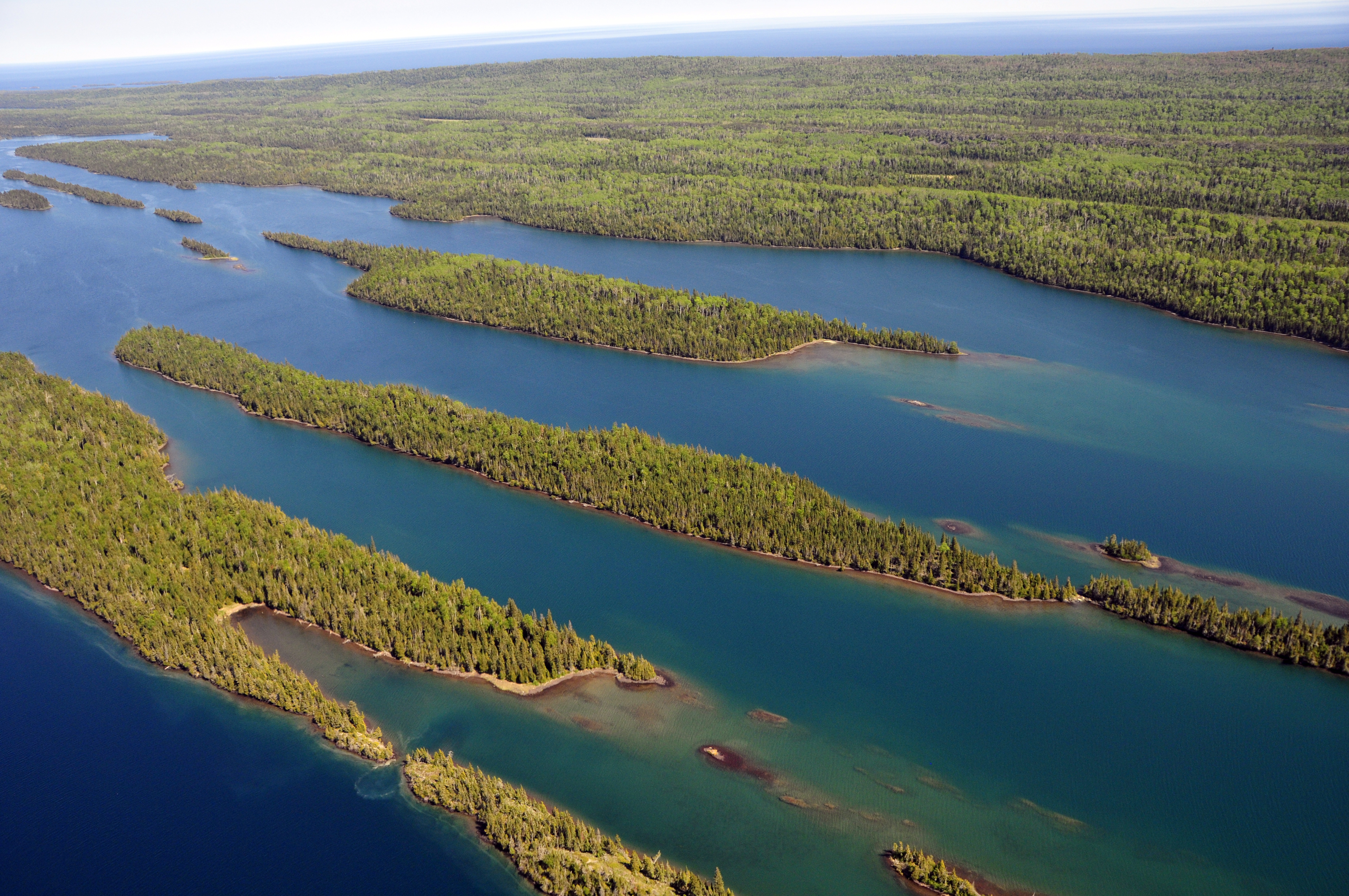
The least visited national parks in the United States are almost all remote by construction, not by accident: seven of the ten have no road connecting them to the outside world. Gates of the Arctic typically records around 11,000 recreation visits in a year — a number Great Smoky Mountains clears before lunch on a summer Saturday. If solitude is what you are after, the list below is the shortlist, ordered roughly from emptiest upward, with the specific access problem that keeps each one quiet.
Which national park gets the fewest visitors?
Gates of the Arctic National Park and Preserve in Alaska is consistently last. It sits entirely north of the Arctic Circle, has no roads, no trails, and no campgrounds, and is reached by bush plane from Bettles or Coldfoot. Visitors are expected to be self-sufficient for the length of their trip. Annual figures move year to year, so check the current-year NPS visitation report before quoting a number.
The ten quietest parks
Gates of the Arctic (AK) — roughly 11,000 visits. No roads, no trails, air taxi only.
National Park of American Samoa — a long flight from Honolulu to Pago Pago, spread across three volcanic islands.
Kobuk Valley (AK) — around 17,000. Famous for 100-foot Arctic sand dunes and caribou migration; reached by charter from Kotzebue.
Lake Clark (AK) — under 20,000. Bear-viewing beaches an hour from Anchorage by air. See our full guide on how to visit Lake Clark.
Isle Royale (MI) — roughly 28,000, and closed entirely from November to mid-April. Ferry or seaplane from Michigan or Minnesota only.
North Cascades (WA) — the park proper is startlingly empty because most traffic stays on Highway 20 in the adjacent recreation areas.
Katmai (AK) — around 33,000 despite being the most photographed bear park in the world.
Wrangell-St. Elias (AK) — the largest national park in the country, with two rough gravel roads and fewer visitors than a mid-sized city park.
Dry Tortugas (FL) — capped by ferry and seaplane capacity 70 miles west of Key West.
Great Basin (NV) — the only easily drivable park on this list, quiet purely because nothing else is nearby.
Why are these parks so empty?
Three factors do nearly all the work. The first is access: no road means a charter flight or a boat, which converts a spontaneous weekend into a planned and expensive expedition. The second is season length — Isle Royale is physically closed for roughly five months, and the Alaska parks have a usable window of ten to twelve weeks. The third is proximity to population; Great Basin is a straightforward drive, but it is four hours from Las Vegas and five from Salt Lake City, and that alone keeps the parking lots half full.
Which quiet park is easiest to actually reach?
Great Basin is the honest answer. You can drive to it, camp without a permit lottery, tour Lehman Caves, and hike to a glacier and a bristlecone pine grove in the same afternoon. Congaree in South Carolina and Voyageurs in Minnesota are the next tier — not technically in the bottom ten, but both are drivable, uncrowded, and genuinely worth a weekend.
How much does a trip to a remote park cost?
Budget for the flight, not the fee — most of these parks charge no entrance fee at all. A bush plane charter into the Brooks Range runs into four figures per group, and Isle Royale ferries and Dry Tortugas boats have their own per-person fares plus, in some cases, a park fee. Verify the current-year fee and reservation rules for each park before you commit, since ferry schedules and cave tour capacity change seasonally.
When should you go?
For the Alaska parks, mid-June through early September. For Isle Royale, late June to early September, avoiding the black fly weeks if you can. Dry Tortugas is best from December to April when the heat and the seas are both calmer, and Great Basin is a summer and early-fall park because the Wheeler Peak road closes with the snow. Browse all national parks in Alaska or the complete park directory to plan around these.
FAQ
What is the least visited national park in the US?
Gates of the Arctic National Park and Preserve in northern Alaska, with roughly 11,000 recreation visits in a typical year. It has no roads, no maintained trails, and no visitor facilities inside the park.
What is the least visited national park in the lower 48?
Isle Royale in Lake Superior, at roughly 28,000 visits. It is an island reachable only by ferry or seaplane and is closed from November through mid-April.
Are the least visited parks worth visiting?
For the right traveller, yes. These are the parks where you can spend a full day without seeing another group. They demand more planning, more money, and more self-sufficiency than a drive-in park, and they offer very little margin for error.
Which least visited park is best for a first remote trip?
Isle Royale or Dry Tortugas. Both have scheduled transport, established campgrounds, and a clear way home, so you get the solitude without the full logistics of an Alaskan charter.
Do you need a permit for the least visited national parks?
Most Alaska parks require no backcountry permit, while Isle Royale and Dry Tortugas do require camping permits and advance transport bookings. Check the current-year rules for each park, as several have changed their systems recently.