
To visit Lake Clark National Park you have to fly — there is no road into the park from anywhere in Alaska, and there never has been. Nearly every trip begins with a one-hour bush plane flight from Anchorage, Homer, or Kenai, ending on a gravel strip at Port Alsworth or on a tidal beach on the Cook Inlet coast. That single logistical fact explains everything about the park: it takes under 20,000 recreation visits in a typical year, so even in peak bear season you are rarely sharing a meadow with more than a dozen other people.
Where is Lake Clark National Park?
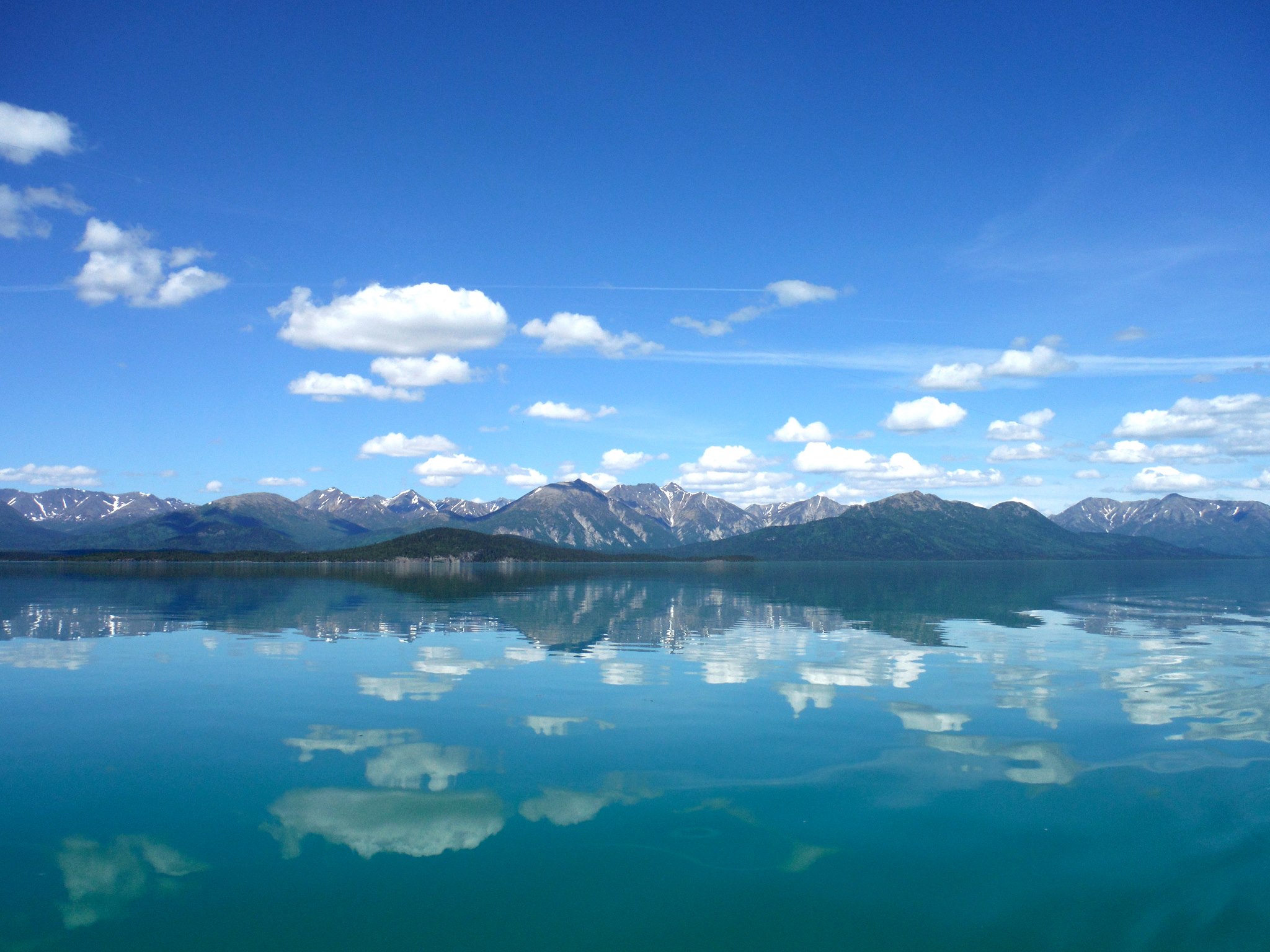
Lake Clark sits roughly 100 air miles southwest of Anchorage, on the far side of Cook Inlet where the Alaska Range collides with the Aleutian Range. The park and preserve protect about four million acres of glaciated peaks, tundra, boreal forest, and 50 miles of coastline. Two active volcanoes — Redoubt and Iliamna — anchor the skyline, and the 42-mile lake the park is named for glows an improbable turquoise from suspended glacial flour.
How do you actually get there?
Air taxi, and only air taxi. There are three practical routes:
Anchorage to Port Alsworth — about an hour on a wheeled plane. This is the route for hikers, lodge guests, and anyone wanting the visitor center and the Tanalian trail system.
Homer or Kenai to the coast — 45 to 60 minutes to Silver Salmon Creek, Chinitna Bay, or Crescent Lake, usually landing on the beach or on floats. This is the standard bear-viewing day trip.
Floatplane to a backcountry lake — Twin Lakes, Turquoise Lake, or Telaquana Lake for backpackers and packrafters willing to be genuinely on their own.
Operators are independent businesses, not park concessions, and every flight is weather-dependent. Cook Inlet fog and Lake Clark Pass turbulence cancel flights regularly, so build at least one buffer day into any itinerary with a connecting flight home. Check the current-year list of authorized air taxi operators before booking.
When is the best time to visit?
The usable window is early June through mid-September. Bears graze the coastal sedge flats in June and early July, then move to salmon streams and clam beds from mid-July through August — the sedge season is often better for photography because the meadows are open and the light is long. Tundra colour turns in late August, and by mid-September most lodges have closed. Winter travel is possible but expedition-level, with ski planes and no services.
Where do you see the bears?
Chinitna Bay, Silver Salmon Creek, and Crescent Lake are the three coastal bear-viewing areas, and they work very differently from Katmai National Park. There are no elevated platforms here. You walk out onto open tidal meadows with a guide and watch brown bears feed at conversational distance, often 50 to 100 yards away, with nothing between you and them but etiquette. Guided viewing is strongly recommended and is how essentially all day-trip operators run it.
Where can you stay?
Port Alsworth has several small lodges and a few rentals. The coastal lodges at Silver Salmon Creek and Chinitna Bay sell all-inclusive packages that bundle the flight, guiding, and meals — expensive, but they remove every moving part. The park also maintains a small number of public-use cabins, and dispersed backcountry camping is allowed without a permit, though voluntarily registering your itinerary is sensible in country with no cell coverage. Confirm the current-year cabin reservation process before you plan around one.
What is there to do besides bear viewing?
From Port Alsworth, the Tanalian Falls and Kontrashibuna Lake trail is an easy four-mile round trip, and the Tanalian Mountain climb adds real elevation with a payoff view down the length of the lake. Three rivers — the Chilikadrotna, Mulchatna, and Tlikakila — carry Wild and Scenic designation and are among the best packrafting water in the state. Anglers come for sockeye, rainbow trout, and northern pike.
How does it compare to Alaska's other parks?
If you want a road, go to Denali National Park. If you want glaciers you can see from a boat, Kenai Fjords is a half-day from Anchorage. Lake Clark is the one you choose when the emptiness is the point. Browse the rest of the national parks in Alaska, or see the full national park directory to compare.
FAQ
Do you need a permit to visit Lake Clark National Park?
No permit is required for general visits or for backcountry camping. Guided activities, commercial filming, and some subsistence uses have their own rules, and public-use cabins must be reserved. Check the current-year requirements before you travel.
Is there an entrance fee at Lake Clark?
Lake Clark charges no entrance fee. Your cost is almost entirely the air taxi and, if you use one, the lodge or guide. Verify current-year fees before budgeting.
How much does a Lake Clark trip cost?
A guided bear-viewing day trip from Homer or Anchorage typically runs several hundred dollars per person including the flight. Multi-night all-inclusive lodge stays run into the thousands. Independent backcountry drop-offs are cheaper per person if you can fill a plane.
Can you visit Lake Clark in a single day?
Yes — the coastal bear-viewing day trip out of Homer or Anchorage is the most popular way to see the park, with roughly five to six hours on the ground. Seeing the interior lakes and trails takes at least two nights.
How many people visit Lake Clark each year?
Lake Clark consistently records well under 20,000 recreation visits a year, placing it among the least visited national parks in the country — fewer people in a year than Yosemite sees on a busy summer day.