
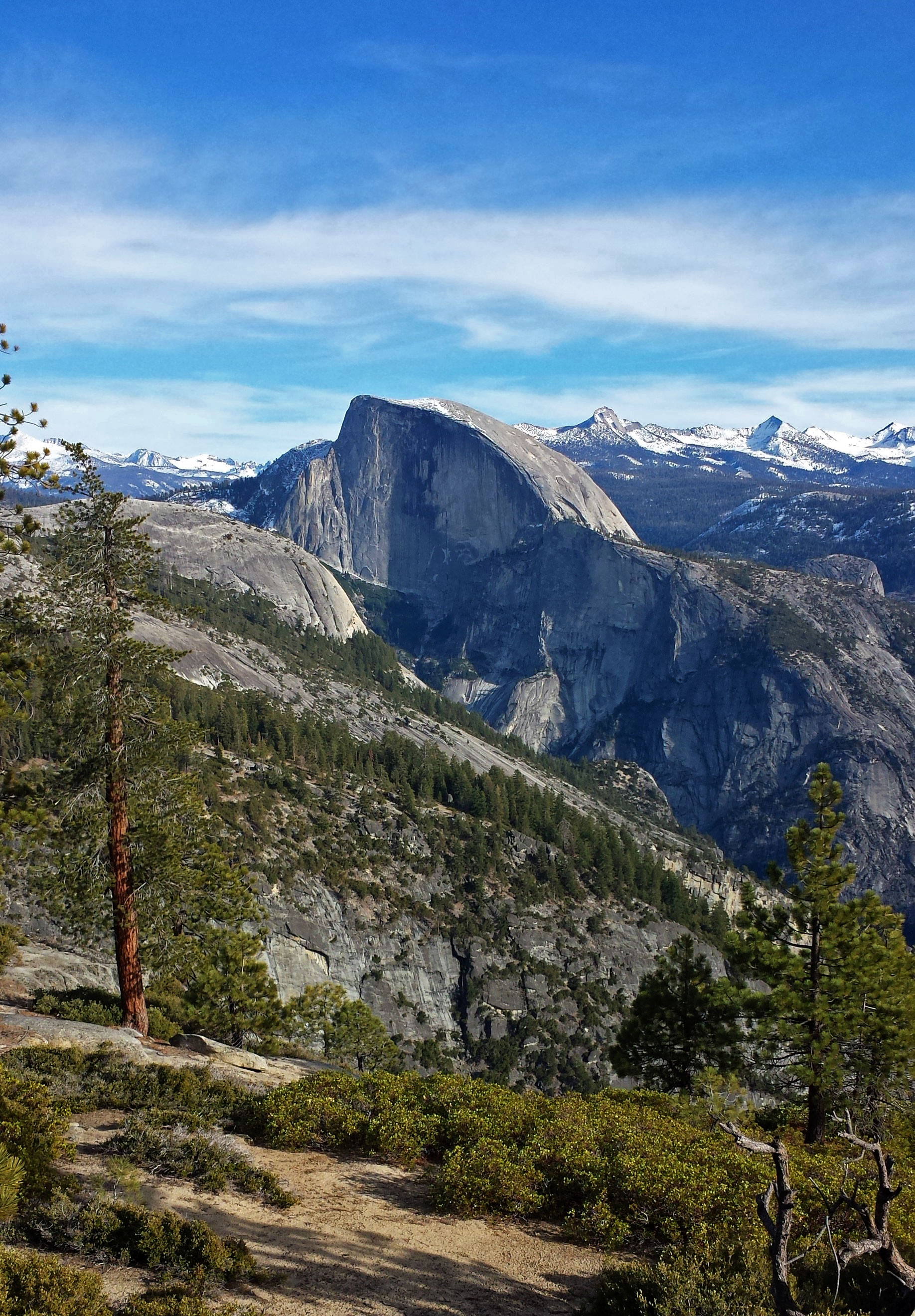
Getting a Half Dome permit is required for anyone climbing the final cable route up Yosemite's most famous granite dome, and permits are handed out through a lottery rather than a first-come line at the trailhead. This guide explains how the lottery works, when to apply, and how to plan a Half Dome day so you arrive at the cables prepared and confident. Because the details shift from season to season, always confirm the current-year rules before you finalize any plans.
Why do you need a Half Dome permit?
The National Park Service limits how many people can ascend the cables each day to reduce dangerous crowding on the steep, exposed granite. Permits are checked by rangers at the base of the subdome, and hikers without one are turned around before the final climb. The system keeps the route safer during busy months and helps protect the experience of standing atop one of the enduring icons of Yosemite National Park. It also spreads use more evenly and reduces long backups on the cables themselves.
How does the Half Dome permit lottery work?
Most permits are distributed through a preseason lottery held in spring, when you enter preferred dates and group sizes for a small application fee. A limited number of daily permits are also released through a daily lottery roughly two days in advance, which is useful if you missed the preseason round or your plans change. Check the current-year rules for the exact application windows, fees, group-size limits, and how many permits are available each day, since all of these can change from one year to the next.
When is the best time to hike Half Dome?
The cables are typically up from late spring through early fall, weather permitting, with summer and early autumn offering the most reliable conditions. Start well before sunrise, because the round trip runs 14 to 16 miles with significant elevation gain and afternoon thunderstorms are common in the high country. Half Dome is one of the toughest day hikes in California, so build in training, acclimatization, and a realistic turnaround time before you commit to the summit.
How should you train for the Half Dome hike?
Because the trail gains around 4,800 feet over rough granite and stone stairs, the fittest and best-prepared hikers tend to have the safest and most enjoyable day. In the weeks before your trip, build up long training hikes with real elevation gain and a loaded pack, and practice on steep terrain whenever you can. Hydration strategy matters too, so plan where you will filter water along the route because there is none near the summit. Arriving rested and acclimatized to elevation makes the cables far less intimidating and lowers your risk of altitude-related fatigue.
What should you know before climbing the cables?
Bring sturdy gloves for grip, carry plenty of water and food, and be honest with yourself about your comfort with heights and exposure. Never climb the cables when they are wet or when storms are threatening, as lightning is a serious hazard on the open summit. If you want a warm-up hike beforehand, the Mist Trail to Vernal and Nevada Falls shares the route's early miles and is a rewarding outing in its own right, so consider it earlier in your trip.
FAQ
How hard is it to get a Half Dome permit?
Demand far exceeds supply on popular summer weekends, so success in the preseason lottery is never guaranteed. Applying for weekdays and offering flexible dates improves your odds. Always check the current-year rules for application windows and fees.
Can you hike Half Dome without a permit?
You can hike the trail up to the base of the subdome without a permit, but you cannot legally ascend the cables to the summit without one. Rangers check permits at the subdome during the season.
How long does the Half Dome hike take?
Most hikers spend 10 to 14 hours on the full round trip, depending on fitness and crowds at the cables. An early start is essential to finish before dark and to avoid dangerous afternoon storms.