
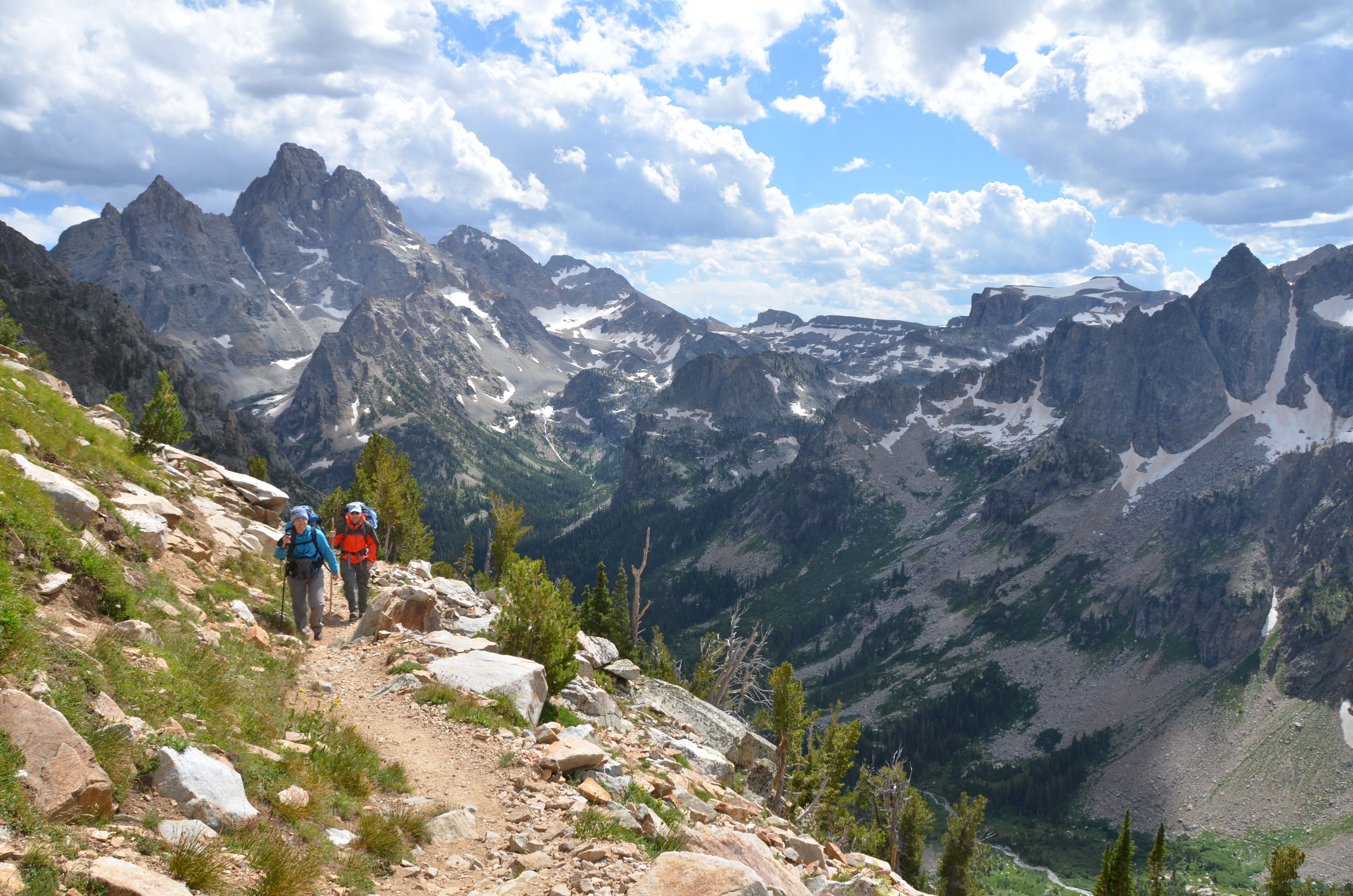
The choice of Grand Teton vs Glacier pits two of the most breathtaking mountain parks in the American Rockies against each other. Grand Teton, in Wyoming, throws a jagged wall of peaks straight up from a sagebrush valley, while Glacier, in Montana, spreads a vast wilderness of carved valleys, turquoise lakes, and one of the most famous mountain roads in the world. Both are spectacular, both teem with wildlife, and both have short high-season windows. This guide compares scenery, hiking, wildlife, scenic drives, family appeal, and access to help you decide which one to visit first.
What is the main difference between Grand Teton and Glacier?
Grand Teton is compact and dramatic, with the entire Teton Range visible in one sweeping view above lakes and the Snake River. Glacier is enormous and more remote, a sprawling landscape best experienced over the alpine crossing of Going-to-the-Sun Road. Teton is about immediate, iconic impact; Glacier is about depth, scale, and a sense of true wilderness. Compare them with our Grand Teton National Park and Glacier National Park guides.
Which park has better hiking?
Both offer superb hiking. Grand Teton delivers classics like Cascade Canyon and the Jenny Lake loop, with big scenery for moderate effort and easy lake access. Glacier counters with the Highline Trail, Grinnell Glacier, and Iceberg Lake, longer routes that push deep into the backcountry past waterfalls and wildflower meadows. If you want efficient, jaw-dropping day hikes, Teton is excellent; if you crave immersive alpine mileage, Glacier wins.
Which park is better for wildlife?
Both are prime wildlife country with bears, moose, elk, and more. Grand Teton, next to Yellowstone, offers reliable moose and pronghorn sightings and even grizzlies in the right areas. Glacier is core grizzly habitat, home to mountain goats and bighorn sheep along its high trails. Carry bear spray in both parks, make noise on the trail, and keep a safe, legal distance at all times.
Which has the better scenic drive?
Glacier's Going-to-the-Sun Road is the headline act, a jaw-dropping engineering feat that climbs over Logan Pass with nonstop views of peaks and hanging valleys. It often requires a vehicle reservation in peak season. Grand Teton's Teton Park Road and the Snake River overlooks are gorgeous too, but Glacier's road is in a class of its own. Check the current-year rules for road reservations before you go.
Which is better for families?
Both parks work well for families, but in different ways. Grand Teton offers gentle lakeshore trails, boat rides on Jenny Lake, and short walks with huge payoffs, all close to services in Jackson. Glacier has boat tours, easy lake strolls, and ranger programs, though its scale means more driving between highlights. Younger kids may find Grand Teton's compact layout simpler to manage.
Which is easier to access and plan?
Grand Teton is easier to reach, sitting right beside the town of Jackson and its airport, and it pairs naturally with Yellowstone. Glacier is more remote in northern Montana, though it rewards the extra effort with fewer crowds in places. See regional planning on our Wyoming and Montana guides.
When is the best time to visit each park?
Both parks are summer destinations. Grand Teton's roads and trails are most accessible from June through September, with golden aspens in late September. Glacier's Going-to-the-Sun Road typically opens fully only from late June or July into early fall, so timing matters even more there.
FAQ
Is Grand Teton or Glacier better for a first visit?
Grand Teton is easier to reach and delivers instant iconic views, while Glacier offers a bigger, more remote wilderness experience.
Which park is harder to plan?
Glacier can be trickier because of its remote location and the vehicle reservations required for Going-to-the-Sun Road in peak season.
Do both parks have grizzly bears?
Yes, both are grizzly country. Carry bear spray, make noise on the trail, and follow current-year food-storage and safety rules.
Can you visit both parks in one trip?
They are several hours apart across the Rockies, so combining them makes for a long but rewarding multi-day road trip.