
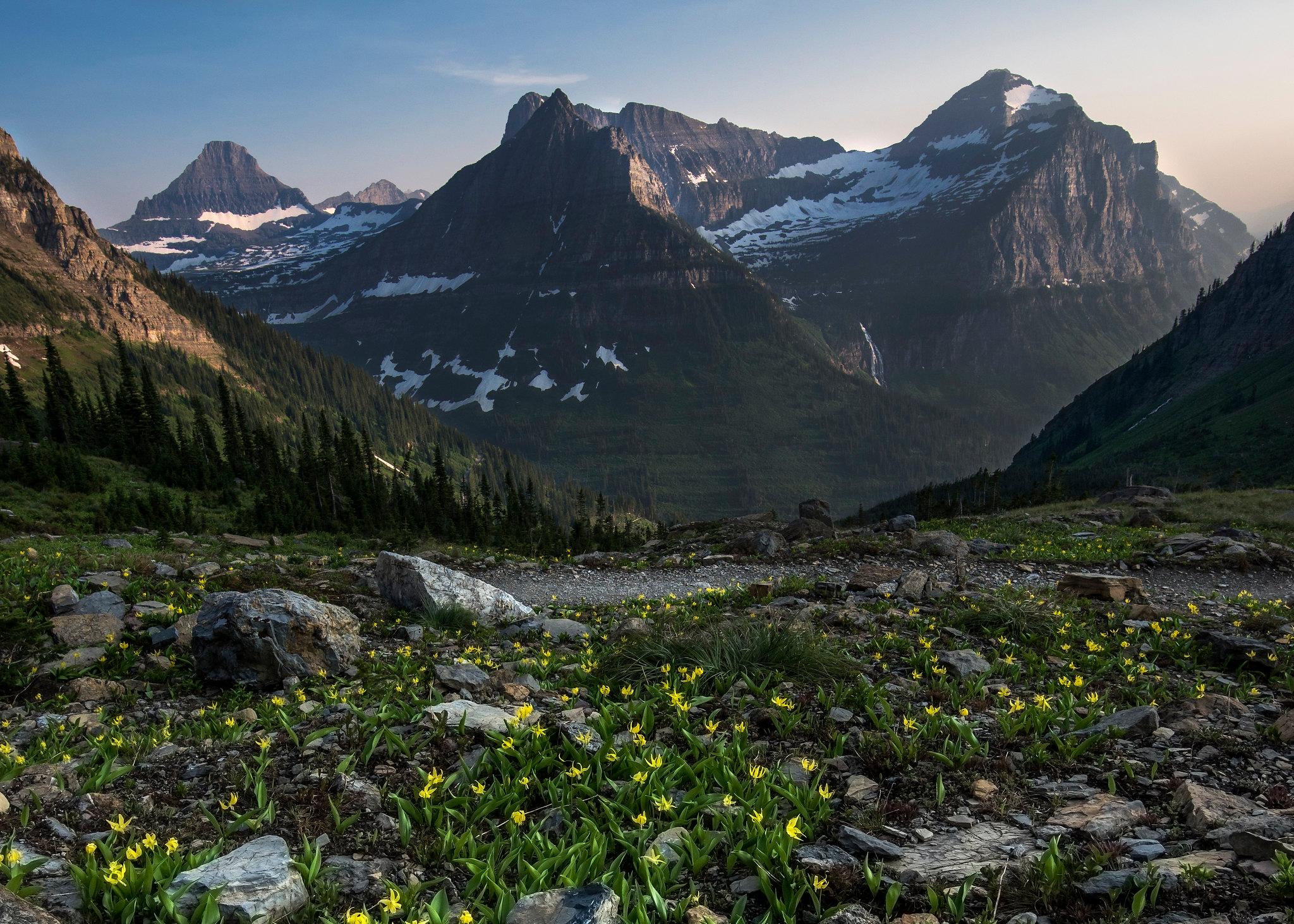
Glacier vs Rocky Mountain pits two of the most beloved high-country parks against each other: Glacier is the remote, wild, glacier-carved crown of northern Montana, while Rocky Mountain is the accessible, alpine playground rising above Colorado's Front Range. Both center on a legendary scenic road, yet they offer very different experiences depending on how far you want to travel and how wild you want it.
What is the main difference between Glacier and Rocky Mountain?
Glacier National Park feels genuinely remote, with dense forests, turquoise lakes, and the spectacular Going-to-the-Sun Road threading a wilderness home to grizzlies and mountain goats. Rocky Mountain National Park is far easier to reach from a major city, with Trail Ridge Road climbing above treeline and abundant elk in its meadows. Glacier rewards those willing to travel far for raw wilderness; Rocky Mountain packs high-alpine grandeur within a short drive of Denver.
Which park is more accessible?
Rocky Mountain is dramatically more accessible, sitting about 90 minutes from Denver International Airport, as our guide to the national parks near Denver details. Glacier is a longer haul, reached via smaller airports like Kalispell or a lengthy drive across Montana. If convenience and a quick city-to-summit trip matter most, Rocky Mountain wins easily; if you are chasing a true escape, Glacier's remoteness is part of its magic.
Which is better for hiking and wildlife?
Both are exceptional. Glacier offers world-class trails like the Highline and Grinnell Glacier, with strong chances of seeing bears, goats, and bighorn sheep in a vast wilderness. Rocky Mountain delivers alpine lakes, tundra hikes, and reliable elk viewing, with more trails at high elevation close to trailheads. Glacier feels wilder and more committing; Rocky Mountain offers superb hiking with easier logistics and thinner air to respect.
Which has the better scenic drive?
This is a close call between two icons. Glacier's Going-to-the-Sun Road is a marvel of engineering, clinging to cliffs past waterfalls and Logan Pass. Rocky Mountain's Trail Ridge Road is the highest continuous paved road in any national park, cresting above 12,000 feet across open tundra. Both are unforgettable, and both often require timed-entry reservations in peak season, so check the current-year rules.
Should you visit both together?
They are far apart, so combining them takes commitment, roughly a two-day drive or separate flights. Most travelers treat them as distinct trips rather than a single loop. If you must choose based on location, pick Rocky Mountain for a Colorado vacation and Glacier for a northern Rockies or Montana adventure. Either way, book lodging early, as gateway options are limited.
When is the best time to visit?
Mid-summer, roughly July through early September, is when both parks' high roads are fully open and wildflowers peak. Fall brings golden larches to Glacier and bugling elk to Rocky Mountain. Both parks see heavy snow that closes their scenic roads much of the year, so late spring and early fall visits can face closures. Confirm the current-year rules and road status before you go.
FAQ
Which park is closer to a major airport?
Rocky Mountain is much closer, about 90 minutes from Denver. Glacier's nearest airport is Kalispell, and reaching it from major hubs usually requires a connection or a long drive.
Which park has more grizzly bears?
Glacier has a significant grizzly population and is true bear country, so carry bear spray and follow food-storage rules. Rocky Mountain has black bears but no grizzlies.
Do both parks require reservations?
Both have used timed-entry reservation systems for their scenic corridors in peak season. Check the current-year rules for each park before planning your visit.
Which is better for a first-timer?
Rocky Mountain is the easier first visit thanks to its proximity to Denver and well-marked trails, while Glacier rewards travelers seeking a bigger, wilder adventure.
Which park is better for fall color?
Both shine in autumn. Glacier glows with golden larch in late September, while Rocky Mountain pairs golden aspen with the dramatic elk rut in its meadows.