
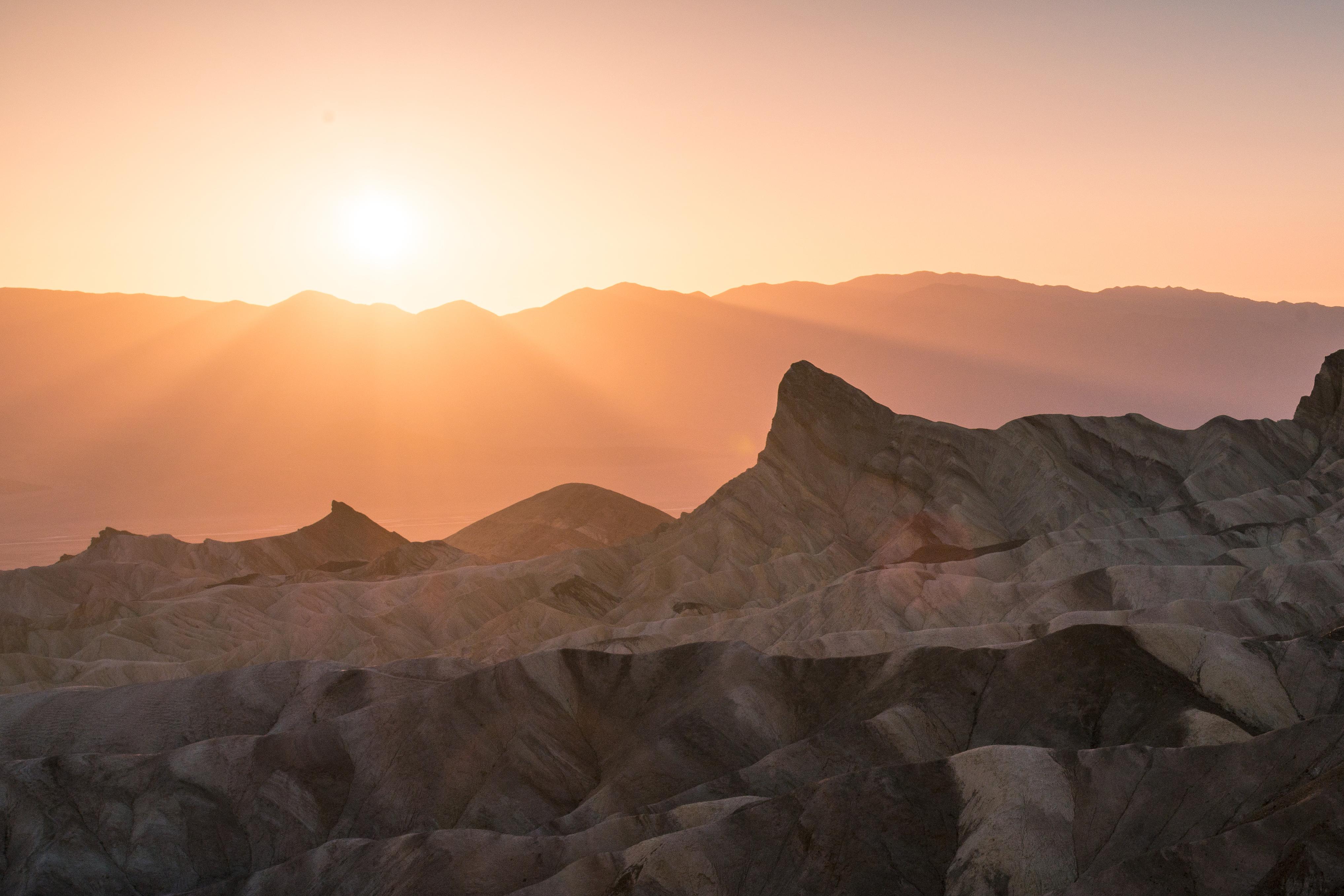
Choosing Death Valley vs Joshua Tree comes down to what kind of desert you want: Death Valley is bigger, hotter, and more extreme, while Joshua Tree is more compact, climber-friendly, and closer to Los Angeles. This guide compares the two parks on scenery, hiking, seasons, and logistics so you can pick the right one for your trip. Fees and seasonal conditions change from year to year, so always confirm the current-year rules before you go.
What is the difference between Death Valley and Joshua Tree?
Death Valley National Park is the largest national park in the lower 48, famous for record heat, the salt flats at Badwater Basin, and sweeping sand dunes. Joshua Tree National Park is smaller and defined by its twisted namesake trees, giant boulder piles, and a blend of the Mojave and Colorado deserts. Both sit in California, but they offer very different desert experiences and moods.
Which park has better hiking?
Death Valley's hikes range from easy strolls across the dunes and salt flats to strenuous canyon and peak routes, all with enormous scale and solitude. Joshua Tree is a mecca for rock climbers and scramblers, with shorter trails woven among boulders and desert oases. If you love bouldering and photogenic rock formations, Joshua Tree wins; if you want vast, otherworldly landscapes, Death Valley delivers on a grander scale.
Which is better for a first-time visit?
Joshua Tree is easier for a first visit, being closer to Los Angeles and Palm Springs and more manageable in a day or two. Death Valley requires more driving and planning because of its sheer size and remoteness, but rewards you with landscapes unlike anywhere else on the continent. Many California travelers eventually visit both, since together they showcase two very different sides of the desert.
When should you visit each park?
Both parks are best from late fall through early spring, when temperatures are comfortable for hiking. Death Valley becomes dangerously hot in summer, regularly exceeding 120°F, so avoid midday hikes during those months. Joshua Tree is also hot in summer but slightly milder at its higher elevations, and its spring wildflower blooms can be spectacular in a good year.
Which park is better for stargazing?
Both parks are certified Dark Sky destinations with exceptional night skies, so you truly cannot go wrong. Death Valley's remoteness and lack of nearby cities give it some of the darkest skies in the country, ideal for the Milky Way. Joshua Tree is also excellent and more accessible for a quick evening under the stars, though light from nearby towns is slightly more noticeable. Plan around a new moon for the best views at either park.
How do you plan a trip to both?
The two parks are several hours apart, so combining them means a bigger California desert road trip, often looping through Palm Springs and the Mojave. Give yourself at least two days per park to do each one justice. Book lodging early in peak season, carry far more water than you expect to need, and check current-year road and weather conditions before setting out.
FAQ
Is Death Valley or Joshua Tree better?
It depends on your interests. Death Valley is better for vast, extreme landscapes and solitude, while Joshua Tree is better for rock climbing, boulder scrambling, and easy access from Los Angeles.
Can you visit Death Valley and Joshua Tree in one trip?
Yes, but they are several hours apart, so plan a multi-day road trip. Many visitors combine them with a stop in Palm Springs or the Mojave to break up the driving.
When is the best time to visit these parks?
Late fall through early spring offers the most comfortable temperatures at both parks. Summer is dangerously hot, especially in Death Valley, so it is best avoided for hiking.