
The best national parks for stargazing are Big Bend, Great Basin, Death Valley, and Joshua Tree, remote, certified dark-sky parks where the Milky Way blazes overhead with almost no light pollution. Stargazing turns a national park into a second destination after dark, and the parks with the driest air, highest elevations, and greatest distance from cities deliver the most jaw-dropping night skies in the country.
Which national park has the darkest skies?
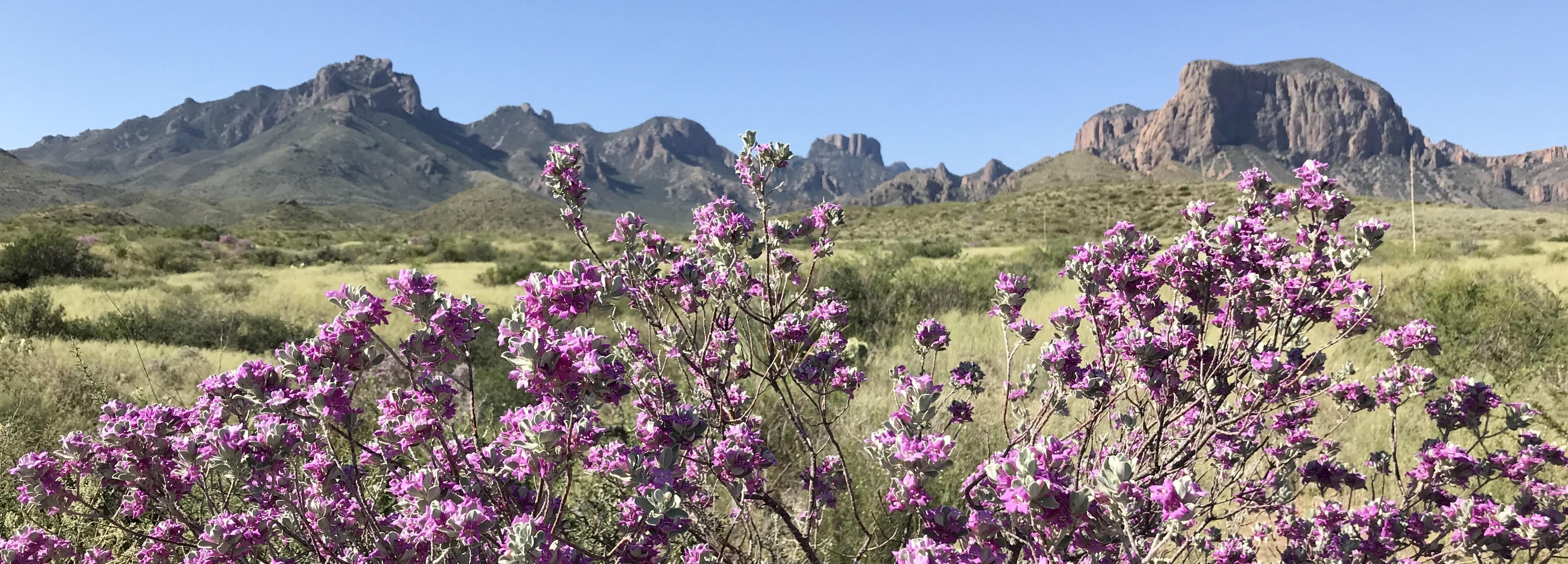
Big Bend National Park in Texas has some of the darkest measured skies in the lower 48, thanks to its remote desert location far from any major city. On a moonless night the Milky Way casts shadows, and rangers host astronomy programs in the Chisos Basin. Big Bend's combination of altitude, dry air, and isolation makes it a bucket-list destination for anyone chasing true darkness.
Where can you see the Milky Way out west?
Great Basin National Park in Nevada pairs 5,000 visible stars on clear nights with an annual astronomy festival and ancient bristlecone pines silhouetted against the galaxy. Death Valley National Park in California, one of the largest dark-sky parks in the country, offers vast desert basins where the horizon-to-horizon sky is unbroken. Both reward late nights with unforgettable celestial views.
Which park is easiest to reach for stargazing?
Joshua Tree National Park in California is the most accessible of the great dark-sky parks, only a couple of hours from Los Angeles yet dark enough for brilliant star fields framed by twisted Joshua trees and granite boulders. It is a favorite for first-time stargazers and astrophotographers who want epic skies without an expedition. Arrive before dark to claim a good viewing spot.
When is the best time for stargazing?
Plan your visit around the new moon, when the sky is darkest, and check for clear, dry weather. Summer offers the brightest core of the Milky Way but hotter desert days, while winter brings crisp, transparent skies and earlier darkness. Give your eyes 20 to 30 minutes to adjust, use a red flashlight, and let the stars emerge. Astronomy-program schedules change seasonally, so check the current-year rules.
How do you prepare for a night under the stars?
Bring warm layers even in summer, since deserts cool sharply after dark, plus a red-light headlamp, a reclining chair or blanket, and a stargazing app to identify constellations. Scout your location in daylight for safety, and never rely on cell service in these remote parks. Patience is the key ingredient, the longer you stay out, the more the sky reveals.
FAQ
What is a Dark Sky Park?
A Dark Sky Park is a location certified for its exceptional starry nights and protection from light pollution. Many national parks, including Big Bend and Death Valley, hold this designation.
When is the best month for stargazing?
Any month can be excellent near the new moon, but spring and fall often balance comfortable temperatures with clear skies. Summer shows the brightest Milky Way core in the desert parks.
Do I need a telescope to stargaze in the parks?
No. In these dark-sky parks the naked eye reveals thousands of stars and the Milky Way. Binoculars enhance the view, and ranger programs often provide telescopes.
Which park is best for astrophotography?
Joshua Tree, Death Valley, and Big Bend are all superb, offering dramatic foregrounds like boulders, dunes, and desert peaks beneath brilliant star fields.
Are the parks open at night?
Most national parks remain open after dark for stargazing, though facilities close. Confirm the current-year rules and any road or area closures before planning a night visit.How dark does it need to be to see the Milky Way?
You need skies largely free of artificial light, which is exactly what certified dark-sky parks like Great Basin and Big Bend provide. Away from city glow, and especially on a moonless night, the Milky Way becomes clearly visible to the naked eye within minutes.
What is the best park for a first-time stargazer?
Joshua Tree is ideal for beginners because it is easy to reach yet genuinely dark, with dramatic rock formations that make even a casual night sky feel spectacular and simple to enjoy without special gear.