
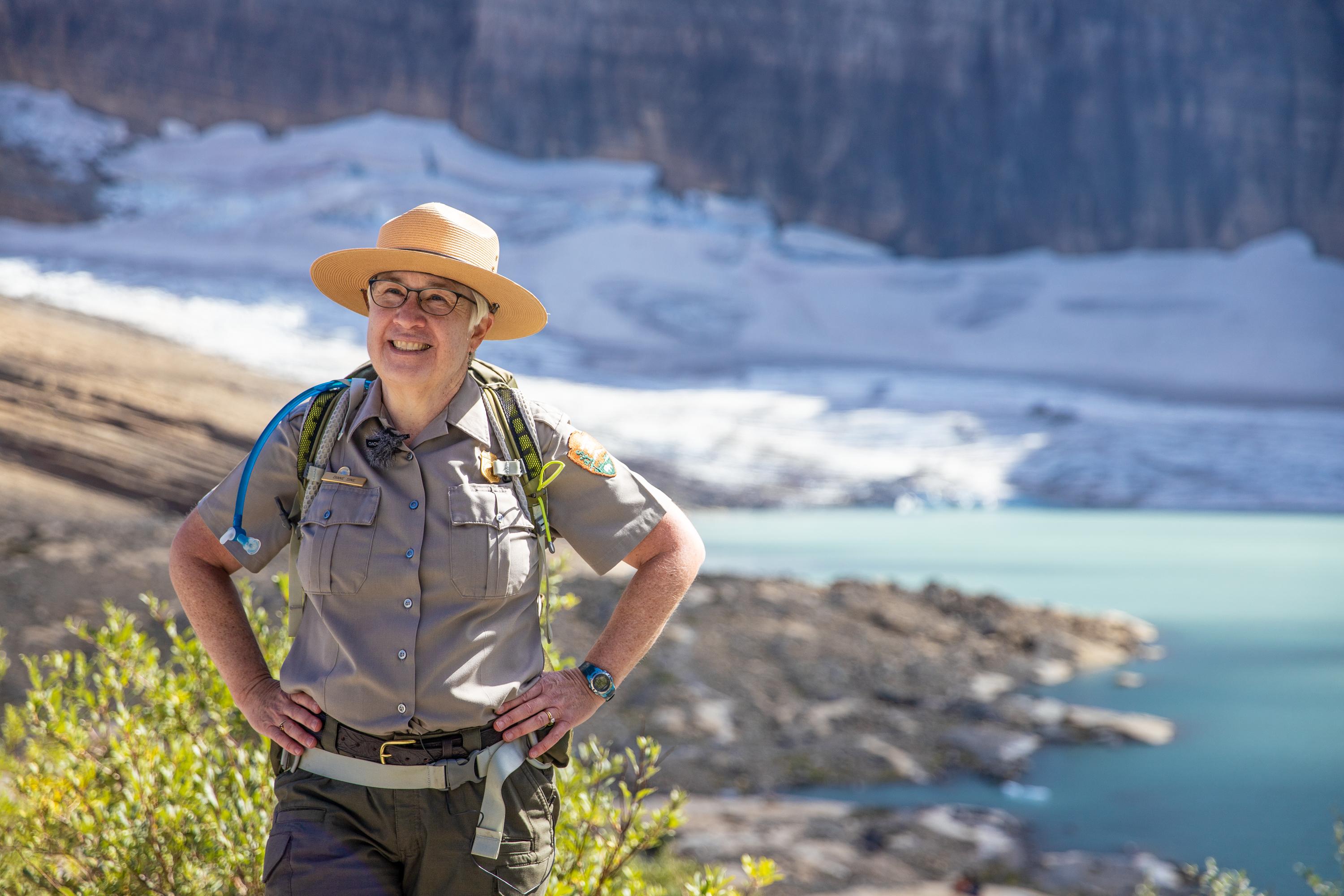
The best national parks in August are the high-country giants that only fully open in late summer, like Glacier, Rocky Mountain, and Yellowstone, where alpine roads and trails are finally clear of snow. This guide covers where to go in August, what to expect from the crowds and weather, and how to plan around both. Fees, timed-entry rules, and conditions change from year to year, so always confirm the current-year rules before you go.
Where should you go in August?
August is peak season for the northern mountain parks. Glacier National Park in Montana shines when the Going-to-the-Sun Road is fully open and wildflowers blanket the high meadows. It is one of the best places in the country to experience alpine scenery at its summer peak, with long days for driving the passes and hiking to turquoise lakes.
What makes these parks great in late summer?
Rocky Mountain National Park in Colorado has its Trail Ridge Road and high trails wide open, with wildlife active and alpine lakes fully thawed. Yellowstone National Park in Wyoming offers warm days ideal for exploring geysers, canyons, and wildlife-rich valleys. Late summer gives you the longest daylight and the most reliable high-elevation access of the entire year.
Which park is best for wildlife in August?
Yellowstone is the standout for wildlife in late summer, when bison, elk, bears, and wolves are active across the Lamar and Hayden valleys, especially at dawn and dusk. Glacier offers chances to spot mountain goats and bighorn sheep near Logan Pass, while Rocky Mountain is famous for elk grazing in its meadows. Bring binoculars, keep a safe distance, and store food properly, since August is a busy time for bears fattening up for winter.
How do you handle August crowds?
August is one of the busiest months, so start early, use park shuttles where available, and book lodging and any timed-entry permits far in advance. Midweek visits and early-morning starts help you beat the crowds at popular trailheads and viewpoints. Consider exploring less-famous corners within each park to find genuine solitude even during peak season.
What about the weather in August?
Expect warm, sunny days and cool nights at elevation, with a real chance of afternoon thunderstorms in the mountains. Lower-elevation and desert parks can be dangerously hot, which is exactly why the high country is the better bet in August. Pack layers, sun protection, and rain gear, and always check the forecast before heading out on a hike.
Which parks should you avoid in August?
Low-elevation desert parks like Death Valley, Joshua Tree, and Big Bend are best skipped in August, when daytime heat can become genuinely dangerous. Southern parks such as the Everglades are hot, humid, and buggy at this time of year as well. If your heart is set on a warmer park, plan hikes for early morning, carry extra water, and rest during the hottest hours to stay safe.
How do you plan an August national parks trip?
Because August books up fast, reserve campgrounds, lodges, and permits as early as possible. Combine nearby parks where it makes sense, like Glacier with a broader Montana trip or Yellowstone with neighboring Grand Teton. Give yourself enough days at each park to enjoy the long summer daylight without rushing, and confirm current-year rules before finalizing any plans.
FAQ
What is the best national park to visit in August?
Glacier, Rocky Mountain, and Yellowstone are among the best in August, since their high roads and trails are fully open. High-elevation parks are ideal, while low desert parks are best avoided due to heat.
Are national parks crowded in August?
Yes, August is one of the busiest months. Early starts, midweek visits, shuttles, and advance reservations for lodging and permits all help you manage the crowds.
What should you pack for August in the parks?
Bring layers for cool mornings and evenings, sun protection for strong midday sun, and rain gear for afternoon storms. Plenty of water is essential, especially at higher elevations and in warmer parks.