
The best national parks for photography combine dramatic light, iconic landmarks, and varied landscapes, and parks like the Grand Canyon, Yosemite, and Zion top nearly every photographer's list. This guide highlights where to shoot, what makes each park special, and how to plan around the best light of the day. Conditions, permits, and access change from year to year, so always confirm the current-year rules before you go and pack for the weather you expect.
What are the best national parks for photography?
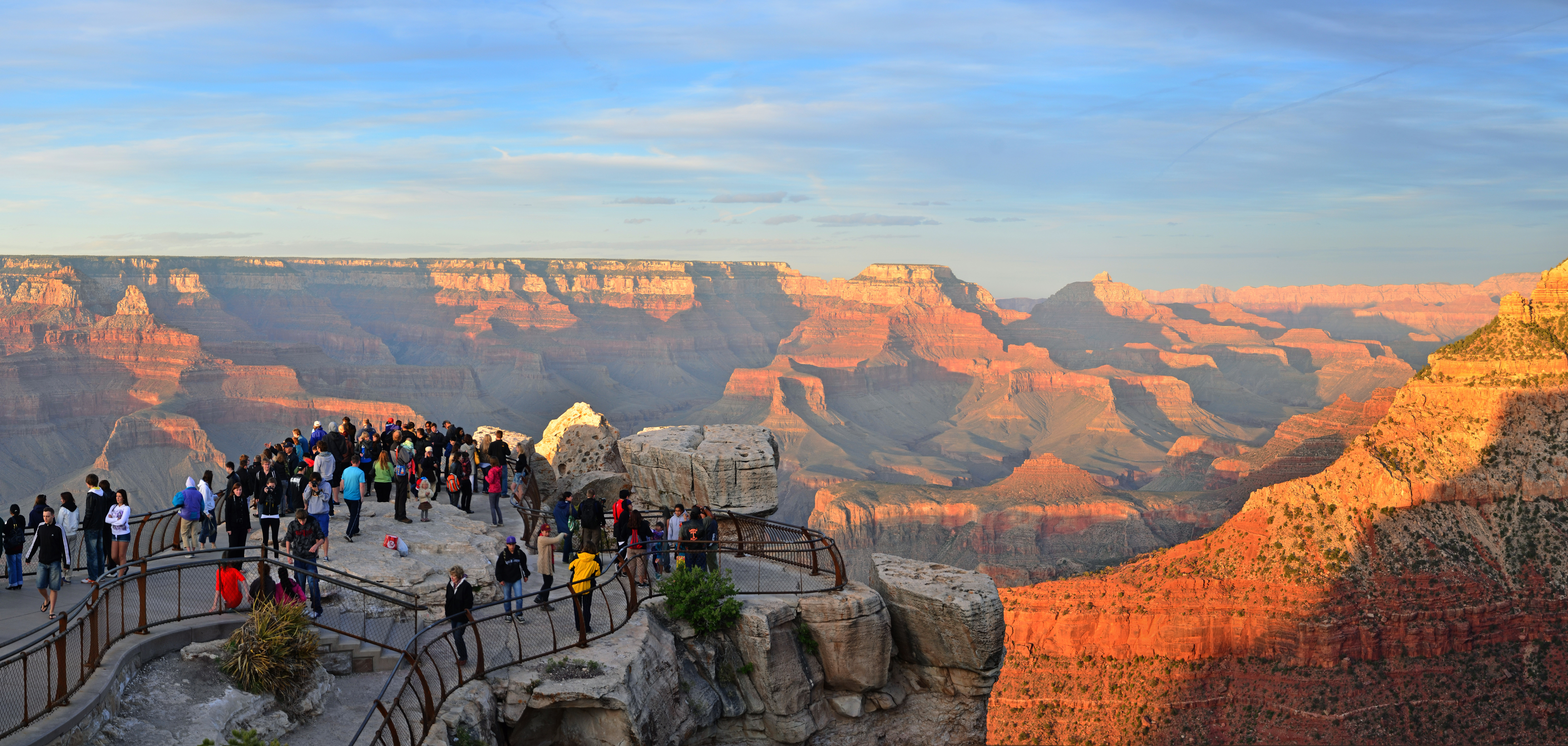
Grand Canyon National Park in Arizona delivers sweeping vistas that glow at sunrise and sunset, with endless compositions along the South Rim. Its sheer scale and layered rock make it one of the most photogenic places on Earth. Golden hour transforms the canyon walls into ribbons of orange, red, and violet that shift minute by minute, so it pays to arrive early and stay late.
Why is Yosemite a photographer's dream?
Yosemite National Park in California offers granite icons like El Capitan and Half Dome, thundering waterfalls, and reflective meadows. Tunnel View and Glacier Point are legendary vantage points, and spring runoff makes the falls roar at their most dramatic. It is the place where Ansel Adams built his legacy, and the drama still holds up for photographers of every skill level today.
What makes Zion great for photos?
Zion National Park in Utah features towering sandstone walls that catch warm reflected light deep in the canyon. The Virgin River, the Narrows, and viewpoints along the scenic drive all reward patient photographers who wait for the right moment. Late afternoon light bouncing off the canyon walls creates the signature glow that Zion is famous for among landscape shooters.
When is the best light for park photography?
The golden hours around sunrise and sunset give the warmest, most dramatic light, while blue hour and dark night skies open up astrophotography in many parks. Overcast days can be ideal for waterfalls and forests by softening harsh shadows and evening out contrast. Plan your shoots around these windows rather than midday, when the light is flat and unflattering for grand landscapes.
What gear should you bring?
A sturdy tripod is essential for low-light and long-exposure shots, and a wide-angle lens helps capture grand landscapes. Bring a polarizing filter to cut glare and deepen skies, plenty of memory cards and batteries, and rain protection for your gear. Even a capable phone camera can produce stunning results when the light is right and the composition is strong, so do not let gear hold you back.
How do you plan a photography trip?
Scout your locations in advance, check sunrise and sunset times, and arrive early to claim the best vantage points before the crowds gather. Combining nearby parks, like Zion with the Grand Canyon on a Southwest loop, maximizes your shooting opportunities in a single trip. Always respect closures and rules, stay on marked trails, and confirm current-year access before you go.
FAQ
What is the most photogenic national park?
Many photographers rank the Grand Canyon, Yosemite, and Zion at the top for their iconic landmarks and dramatic light. The most photogenic choice depends on whether you prefer canyons, granite peaks, or slot-canyon walls.
When is the best time to photograph national parks?
The golden hours around sunrise and sunset offer the best light, while clear, moonless nights are ideal for astrophotography. Seasons matter too, with spring waterfalls and fall color adding extra drama.
Which national park is best for night photography?
Parks with certified dark skies, such as the Grand Canyon and many Southwest parks, are superb for astrophotography and Milky Way shots. Plan around a new moon and clear weather for the darkest skies and sharpest stars.