
The best national parks in winter fall into two rewarding categories: snow-globe mountain parks made for photography and snow sports, and warm southern parks that offer a sunny escape from the cold. Winter is one of the most underrated seasons for park travel, with thin crowds, dramatic scenery, and active wildlife. This guide covers the top winter destinations, what to expect from the weather, and how to plan a safe cold-season trip.
Which national parks are best to visit in winter?
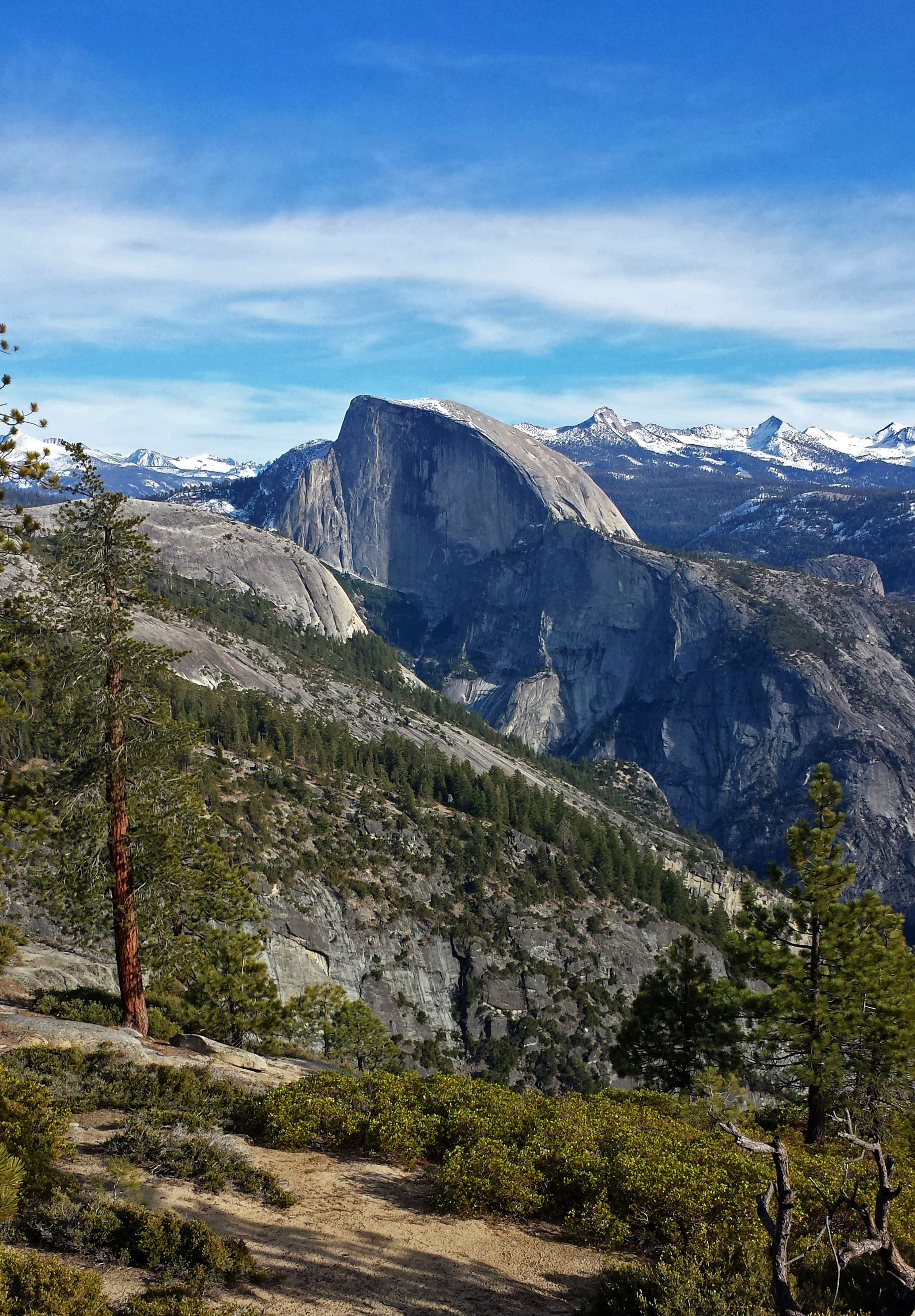
For classic winter scenery, Yosemite National Park in California is hard to beat, with snow-frosted granite, frozen waterfalls, and ice skating beneath Half Dome. Grand Canyon National Park in Arizona is magical when snow lines the rim, and the crowds thin dramatically. For warmth instead of snow, Everglades National Park in Florida hits its dry-season stride, with easy wildlife viewing along the boardwalks. Bryce Canyon and Death Valley round out a versatile winter lineup.
What is the weather like in the parks in winter?
Winter weather ranges from frigid to balmy depending on the park. Mountain and high-desert parks such as Yosemite, Bryce Canyon, and the Grand Canyon rim see snow, ice, and freezing nights, though sunny days can still feel pleasant. Southern parks like the Everglades and Death Valley enjoy mild, comfortable temperatures perfect for hiking. Days are short across the board, so plan to make the most of limited daylight and expect reduced services at many visitor centers.
What should you pack for a winter park trip?
Match your gear to the destination. Snowy parks demand insulated, waterproof layers, warm hats and gloves, and traction devices such as microspikes for icy trails. Warm-weather parks still call for layers, since desert and subtropical nights can turn chilly. Everywhere, bring a headlamp for early sunsets and check road conditions, tire requirements, and closures before you set out. Always confirm current-year hours and any reservation rules, since winter operations change annually.
How do you stay safe and enjoy winter crowds?
Winter rewards careful planning. Roads can be icy or closed, so drive slowly, carry chains where required, and never rely on cell service in remote areas. The upside is solitude: iconic viewpoints that overflow in summer are often quiet, wildlife is easier to spot against the snow, and lodging can be cheaper. Start hikes early, turn back before dark, and keep extra food, water, and warm layers in your vehicle for emergencies.
Where should first-time winter visitors start?
If this is your first winter park trip, pick one destination that fits your comfort level. For a gentle introduction to snow, Yosemite Valley offers plowed roads, easy walks, and grand scenery without technical skills. For guaranteed warmth, the Everglades or Death Valley deliver mild days and relaxed wildlife viewing. Whichever you choose, keep the itinerary short and flexible, build in buffer time for weather, and confirm which roads and facilities are open before you arrive. Slowing down to a single park lets you savor the season instead of fighting winter logistics across long distances.
FAQ
Which national park is best to visit in winter?
It depends on your goal. Yosemite and the Grand Canyon offer stunning snowy scenery, while the Everglades and Death Valley provide warm, comfortable winter weather.
Are national parks open in winter?
Most parks stay open year-round, but some high-elevation roads and facilities close seasonally. Always check current conditions and hours before you travel.
Are national parks less crowded in winter?
Yes. Winter brings some of the lightest crowds of the year to many popular parks, along with quieter trails and often lower lodging rates.
Do you need special gear for winter park visits?
For snowy parks, warm waterproof clothing and traction devices are essential. Warm-weather parks require far less, though layers are still wise for cool nights.