
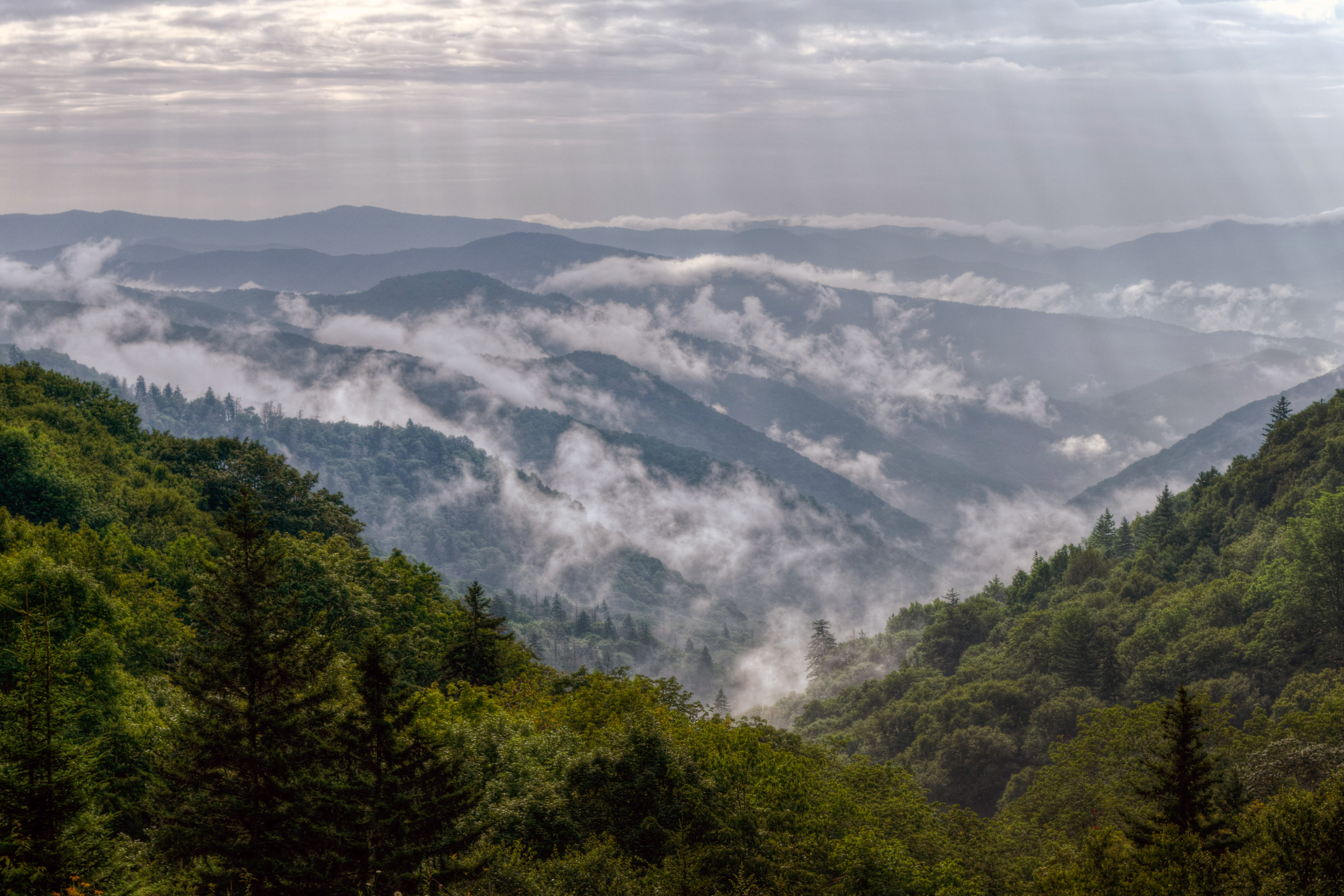
The best national parks in spring greet travelers with wildflower superblooms, thundering waterfalls, comfortable temperatures, and crowds that have not yet reached their summer peak. Spring is a season of dramatic transition: deserts erupt in color, mountain valleys turn green, and snowmelt supercharges rivers and falls. This guide covers exactly where to go in spring, which parks to skip while snow lingers, how to time a desert wildflower trip, and how to handle the reservation systems that begin ramping up.
Why is spring a great time to visit national parks?
Spring delivers mild, hikeable weather in most low- and mid-elevation parks along with some of the year's best natural spectacles. Waterfalls run at peak flow from melting snow, wildflowers bloom across meadows and desert floors, and newborn wildlife is easy to spot. Crowds remain lighter than summer for much of the season, so marquee destinations like Great Smoky Mountains National Park feel calmer and more relaxed than they will in July.
Which national parks are best in spring?
Great Smoky Mountains is famous for its spring wildflower display, one of the richest in the country. Zion and the Utah canyons are warm and comfortable before summer heat arrives. Yosemite's waterfalls thunder through April and May. Joshua Tree and Saguaro enjoy pleasant temperatures with cactus and wildflower blooms. Congaree, Shenandoah, and Big Bend all shine in spring. Begin planning on our Zion National Park page.
Which parks should you skip in spring?
High-elevation parks often remain partly snowbound in spring. Glacier's Going-to-the-Sun Road and Rocky Mountain's Trail Ridge Road usually do not fully open until summer, and many alpine trails stay buried into June. By late spring, the deep desert parks such as Death Valley start climbing toward triple-digit heat. If you crave high-country hiking, wait for summer; in spring, focus on canyon, forest, and desert parks at lower elevations.
How do you time a desert wildflower trip?
Desert blooms depend heavily on winter rainfall and can vary from a modest scattering to a full superbloom. In parks like Joshua Tree, Saguaro, and Big Bend, peak color often arrives from March into April, earlier in warmer years. Because timing shifts annually, check recent bloom reports before committing to specific dates, and be ready to travel on short notice if a strong bloom develops.
Crowds and reservations in spring
Spring is busier than winter but calmer than summer, with spring break weeks and holiday weekends being the notable exceptions. Some parks launch their timed-entry or shuttle-reservation programs in late spring, and these systems change annually, so always verify the current-year rules before you travel. Weekday visits and early starts remain the surest way to avoid the biggest crowds.
Tips for a spring national park trip
Pack layers for cool mornings and warm afternoons, waterproof footwear for muddy and spray-soaked trails, and sun protection for exposed desert routes. Confirm road-opening status before relying on any high-elevation drive, and keep a flexible plan in case weather shifts. For a spring itinerary spanning wildflowers and canyons, pair our Tennessee and California guides.
FAQ
When is the best time to see spring wildflowers?
Lower-elevation and desert blooms often peak from March into April, while mountain wildflowers appear later, in May and June. Timing shifts each year with weather, so check recent reports.
Are national parks crowded in spring?
Spring is generally quieter than summer, aside from spring break and holiday weekends. Midweek visits offer the calmest experience.
Do you need reservations in spring?
Some parks begin summer reservation systems in late spring. Requirements change each year, so confirm the current-year rules for any park on your itinerary.