
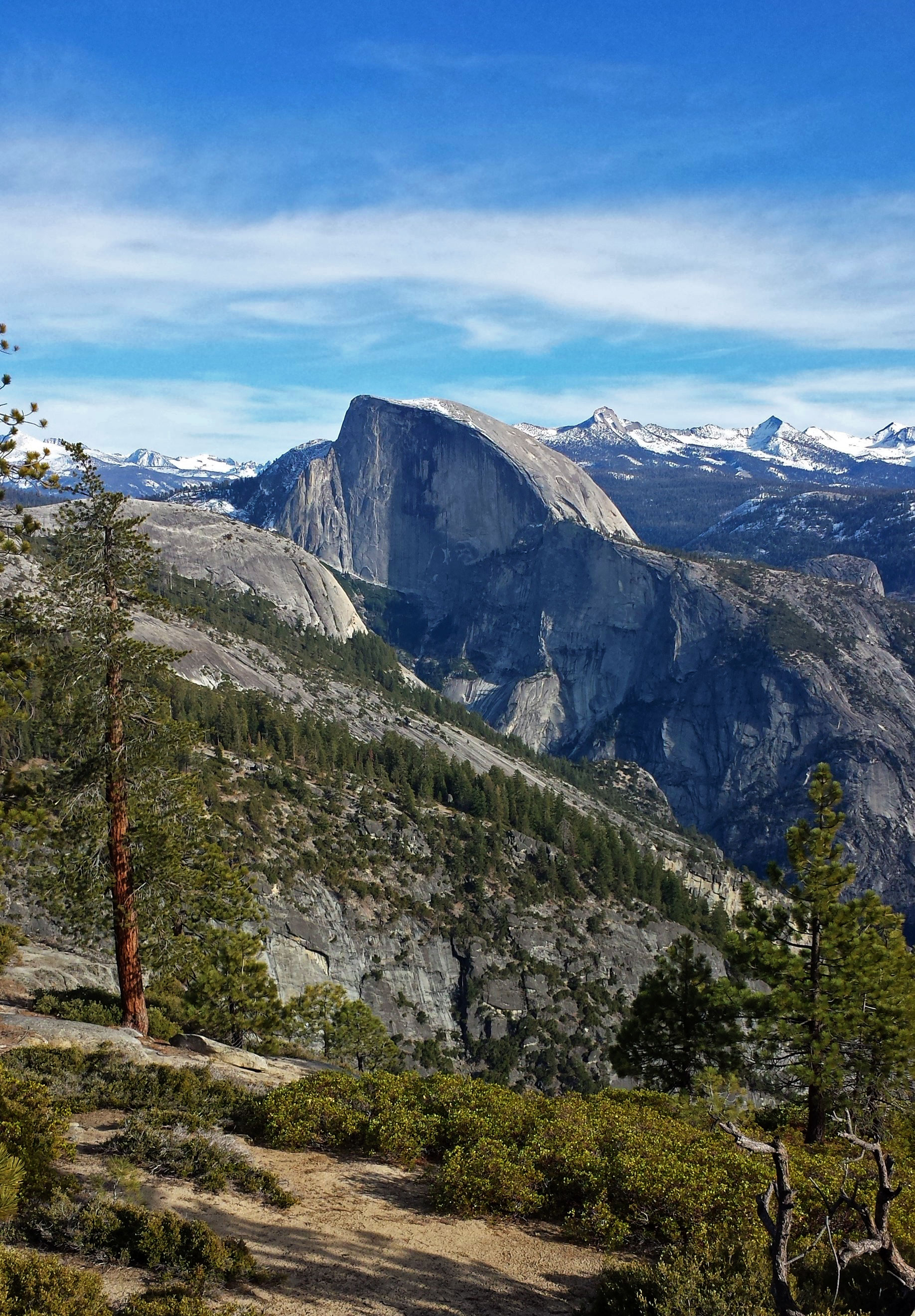
The best national parks in May reward early-season travelers with roaring waterfalls, blooming wildflowers, mild temperatures, and far smaller crowds than the summer peak. May is a transition month: desert parks are still pleasant, mountain valleys turn green, and iconic waterfalls hit their maximum flow from melting snow. This guide covers exactly where to go in May, which parks to skip, how many days to plan, and how to navigate the reservation systems that begin ramping up for summer.
Why visit national parks in May?
May offers a rare combination of comfortable weather and light crowds before the summer rush. Snowmelt drives waterfalls to their most dramatic, spring wildflowers carpet meadows and desert floors, and daytime temperatures are warm without being oppressive. Wildlife is active and easy to spot as animals emerge with their young. Because school is still in session for much of the country, popular destinations like Yosemite National Park feel noticeably quieter than they will in July.
Which national parks are best in May?
Yosemite is the standout, with Yosemite Falls, Bridalveil, and Vernal Fall thundering at peak flow. Zion is warm but not yet scorching, making it ideal for canyon hikes before summer heat. Great Smoky Mountains bursts with spring wildflowers and rushing streams. Sequoia, Kings Canyon, and Pinnacles all shine, and Utah's red-rock parks remain comfortable. The desert Southwest is in its final pleasant stretch before summer. Start planning on our Zion National Park page.
Which parks should you skip in May?
High-elevation parks may still be partly closed by snow in May. Glacier's Going-to-the-Sun Road and Rocky Mountain's Trail Ridge Road are typically not fully open yet, and many alpine trails remain buried. Deep-desert parks like Death Valley are beginning to heat up toward triple digits. If your heart is set on high-country hiking, June or July is a better bet; in May, focus on mid-elevation and canyon parks instead.
How many days do you need in May?
A focused park like Zion or Yosemite Valley deserves two to three days to enjoy the waterfalls and marquee trails without rushing. If you are linking several parks into a spring road trip, allow travel buffer for lingering weather and give each major park at least a full day. Cooler mornings mean you can start early and still hike comfortably into the afternoon, so you can pack a lot into each day.
Crowds and reservations in May
May is busier than April but far calmer than summer, especially on weekdays. Memorial Day weekend is the exception and can feel like peak season at popular parks. Some parks begin their timed-entry or shuttle-reservation programs in late spring, and these systems change annually, so always verify the current-year rules before you travel. Booking lodging and campsites ahead is still wise for the holiday weekend.
Tips for a May national park trip
Bring layers for chilly mornings and warm afternoons, waterproof footwear for spray-soaked waterfall trails, and sun protection for exposed desert and canyon routes. Check road-opening status before relying on any high-elevation drive. For a spring itinerary spanning canyon country, pair our Utah and California guides.
FAQ
Are waterfalls best in May?
Yes. In snow-fed parks like Yosemite, waterfalls typically peak in May and early June as the snowpack melts, making it the best month for waterfall viewing.
Is May a good time to avoid crowds?
May is much quieter than summer on weekdays, though Memorial Day weekend draws large crowds. Visiting midweek gives you the calmest experience.
Do you need reservations in May?
Some parks begin summer reservation systems in late spring. Requirements change each year, so confirm the current-year rules for any park you plan to visit.