
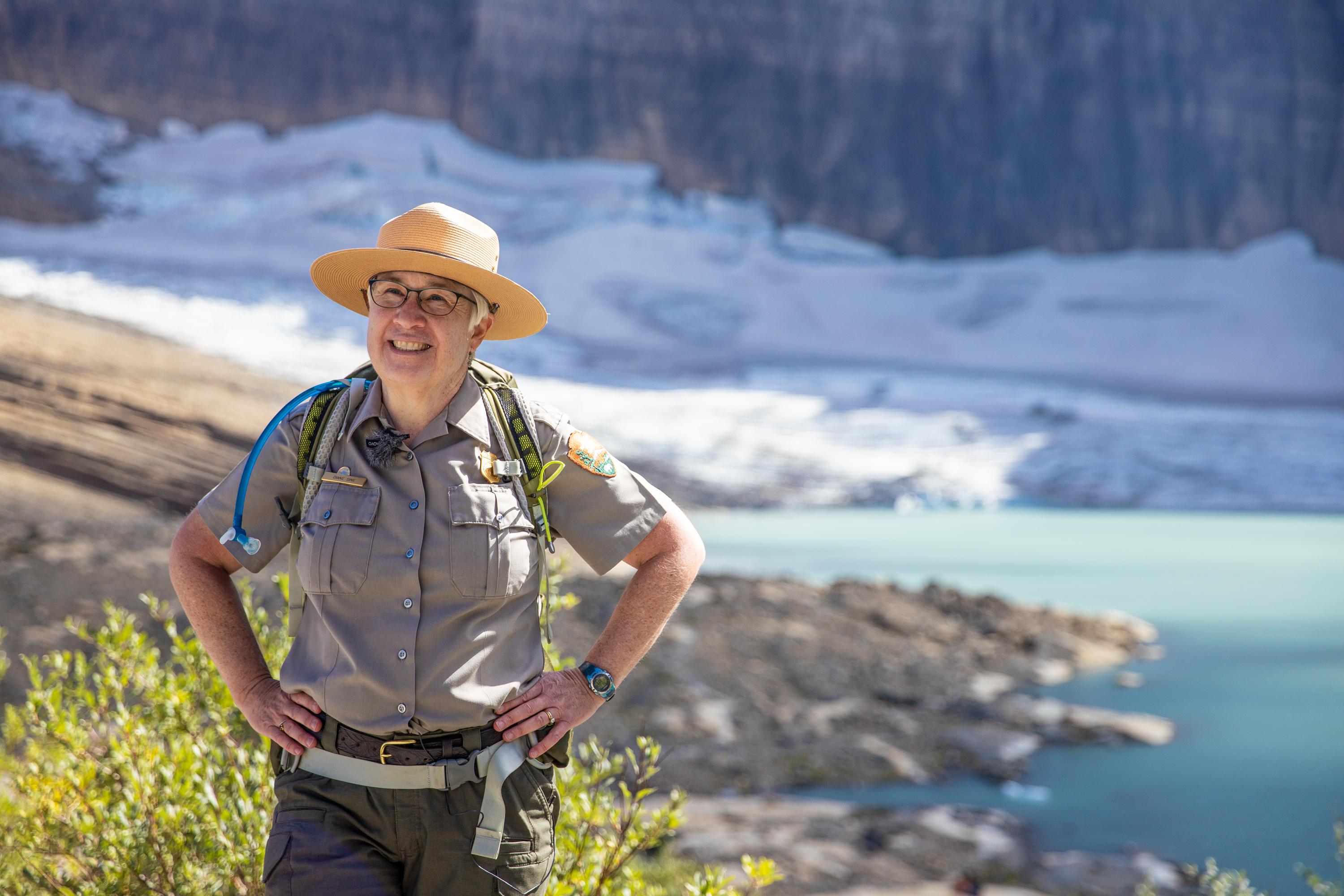
The best national parks in July are the high-elevation and northern parks that finally shed their snow, opening alpine roads, wildflower meadows, and high trails that are impassable earlier in the year. July is peak season for a reason: long daylight, reliably warm days, and full access to the mountain parks make it ideal for hiking and road trips. This guide covers where to go, how to handle summer heat and crowds, and what to plan around.
Which national parks are best to visit in July?
July belongs to the mountains. Glacier National Park in Montana is at its best, with the full Going-to-the-Sun Road usually open and hillsides of wildflowers in bloom. Rocky Mountain National Park in Colorado offers cool alpine air and Trail Ridge Road, the highest continuous paved road in any national park. In the Pacific Northwest, Olympic National Park in Washington shines with its dry-season rainforests, beaches, and mountain meadows. Grand Teton and Yellowstone are also in full swing.
What is the weather like in July?
July weather is warm and generally stable, but it varies sharply with elevation. Mountain parks enjoy pleasant days in the 70s and 80s with cool nights, while afternoon thunderstorms are common in the Rockies and should be planned around by hiking early. Desert parks such as Death Valley, Grand Canyon, and Zion become dangerously hot, with triple-digit temperatures that make midday hiking unsafe. Coastal and northern parks like Olympic and Acadia stay comfortably mild throughout the month.
How do you handle heat and wildfire smoke?
Summer brings two real hazards: heat and wildfire smoke. In hot parks, hike at dawn, carry far more water than you think you need, and rest during the midday peak. Across the West, wildfire season can bring smoke and occasional closures, so check air quality and current conditions before you set out. Having a flexible itinerary lets you shift plans if a trail, road, or region becomes affected.
How do you plan around July crowds?
July is the busiest month in most flagship parks, so preparation matters. Reserve lodging and campsites months in advance, arrive at trailheads and entrance stations before 8 a.m., and use park shuttles where available. Several parks run timed-entry or vehicle reservation systems in summer, so always verify the current-year rules for your destination, as these change annually. Mid-week visits and lesser-known parks offer welcome relief from peak-season lines.
Where should first-time July visitors start?
If July is your first big summer park trip, build the itinerary around one mountain hub rather than a sprawling multi-park loop. A base near Glacier or Rocky Mountain gives you alpine scenery, cool temperatures, and a deep menu of day hikes without long transfer drives. Give yourself an extra day to acclimate to high elevation, keep afternoons flexible for thunderstorms, and reserve any timed-entry permits early. Starting with a single well-chosen park lets you slow down, watch for wildlife at dawn and dusk, and enjoy the long summer evenings instead of rushing between distant destinations.
FAQ
Is July a good time to visit national parks?
Yes, July is the best month for high-elevation and northern mountain parks, when alpine roads and trails are fully open. Desert parks, however, are often dangerously hot.
Which national parks should you avoid in July?
Low desert parks like Death Valley and the inner Grand Canyon see extreme heat in July and are best avoided for strenuous activity during the day.
Are national parks crowded in July?
Yes, July is peak season and the busiest month at most popular parks. Early starts, mid-week visits, and advance reservations all help you manage the crowds.
Do national parks require reservations in July?
Many popular parks use timed-entry or vehicle reservations during summer. Always check the current-year requirements for your specific park before you travel.