
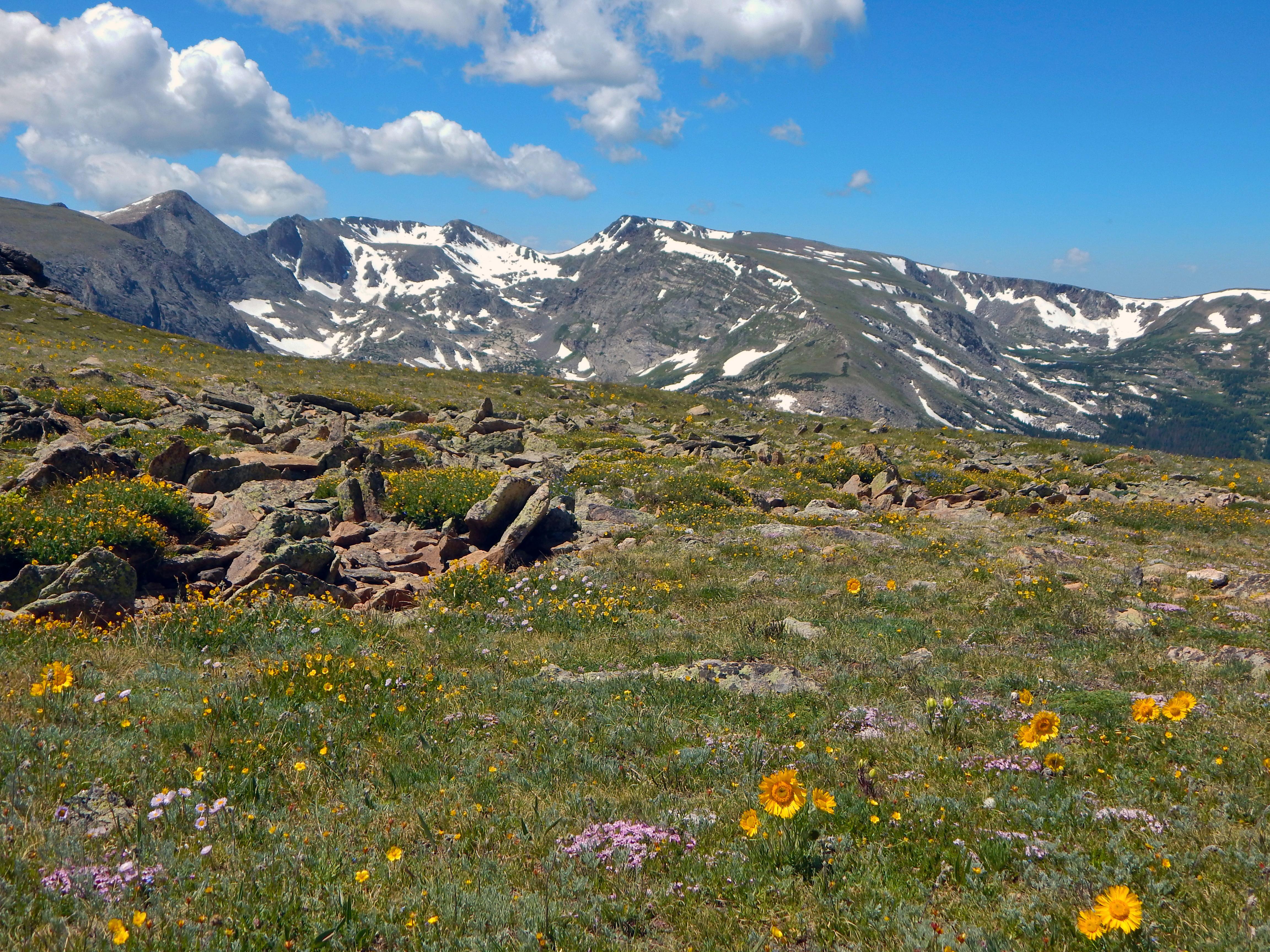
The best national parks for hiking combine world-class scenery, well-built trail networks, and routes for every ability, from paved nature walks to demanding backcountry climbs. If hiking is the heart of your trip, choosing the right park makes all the difference. This guide highlights the top parks for trails, the iconic hikes worth planning around, and how to match routes to your fitness and experience so every day on the trail feels rewarding rather than overwhelming.
Which national parks are best for hiking?
Rocky Mountain National Park in Colorado is a hiker's dream, with more than 350 miles of trail leading to alpine lakes, tundra, and 14,000-foot peaks. Zion National Park in Utah delivers unforgettable routes like the Narrows and Angels Landing, carved into towering sandstone. Glacier National Park in Montana offers some of the most scenic mountain hiking in the country, while the Grand Canyon and Yosemite provide bucket-list descents and granite ascents that reward serious effort.
What are the most iconic trails to plan around?
Certain hikes define their parks. Angels Landing and the Narrows in Zion, the Highline Trail in Glacier, and the rim-to-river routes of the Grand Canyon are trips in themselves. In Yosemite, the climb to the top of Half Dome is legendary, while Rocky Mountain rewards hikers with a chain of accessible alpine lakes. Several of these signature trails now require permits or timed reservations, so plan around the current-year rules, which change annually, and enter any lotteries early.
How do you match trails to your skill level?
Great hiking parks offer routes across the full difficulty spectrum. Beginners and families can enjoy paved loops and short lakeside walks, intermediate hikers can tackle moderate half-day climbs, and experienced hikers can chase strenuous summit and canyon routes. Read trail descriptions carefully, note elevation gain rather than just distance, and remember that high-altitude parks feel much harder than their mileage suggests. Building rest days into your itinerary keeps energy high across a multi-day trip.
How do you stay safe on park trails?
Hiking safety comes down to preparation. Carry more water than you expect to need, pack layers and rain protection, and start early to avoid afternoon storms and heat. Tell someone your route, check trail and weather conditions before you leave, and turn around if the terrain exceeds your comfort level. In bear country, carry spray and make noise. A map and headlamp belong in every pack, even on short hikes that could run long.
Where should first-time hikers start?
If you are newer to park hiking, begin with one destination that offers a deep range of easy and moderate trails so you can build confidence over several days. Rocky Mountain and Zion both let you start with gentle valley or lakeside walks before stepping up to bigger objectives. Give yourself time to acclimate to elevation, choose routes with clear turnaround points, and resist the urge to attempt a marquee climb on day one. Progressing gradually within a single park is safer, more enjoyable, and far more memorable than rushing a bucket-list route unprepared.
FAQ
Which national park has the best hiking?
Rocky Mountain, Zion, and Glacier consistently rank among the best for hiking, thanks to extensive trail networks and spectacular scenery for all skill levels.
Do you need a permit to hike in national parks?
Most day hikes require no permit, but iconic routes like Angels Landing and backcountry trips often do. Always check the current-year rules for your park.
What are the best national parks for beginner hikers?
Parks like Rocky Mountain, Zion, and the Great Smoky Mountains offer many short, well-marked, low-elevation trails that are ideal for beginners and families.
When is the best time to hike in national parks?
Late spring through early fall suits most mountain parks, while desert parks are best hiked in the cooler months of spring, fall, and winter.