
The best national parks for photography reward early risers with dramatic light, iconic landmarks, and endless compositions that range from sweeping mountain panoramas to intimate details in stone and water. Whether you shoot on a phone or a full-frame camera, a handful of parks stand out for reliable conditions, unforgettable scenery, and easy access to legendary viewpoints. This guide covers where to point your lens, what makes each park special, and how to plan around the light so you come home with frames worth printing.
What makes a national park great for photography?
Photogenic parks combine bold landmarks, clean foregrounds, and light that changes dramatically through the day. Reflective lakes, layered ridgelines, wildlife, and weather all add drama, while accessible overlooks let you reach a strong composition without a punishing hike. The best parks also offer variety, so a single trip can deliver sunrise reflections, midday details, and sunset color. Planning around sun angles, moon phases, and seasonal changes turns a good scene into a memorable image.
Where can you shoot iconic mountain reflections?
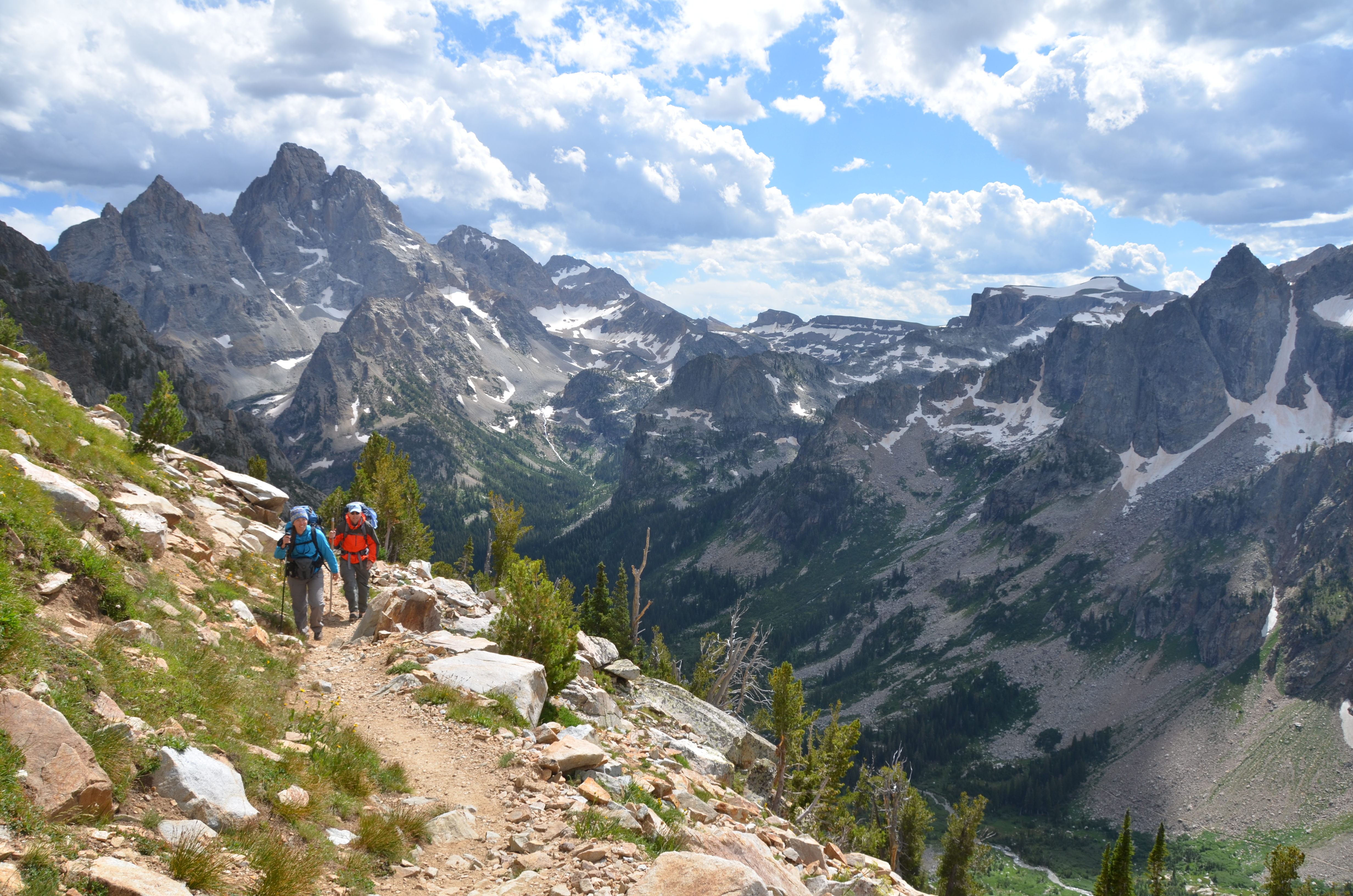
Grand Teton National Park in Wyoming is a landscape photographer's dream, with the jagged Teton range rising straight from the valley floor. Classic spots like the Snake River overlook and glassy morning lakes deliver mirror reflections at sunrise. Nearby Yellowstone National Park adds geysers, canyons, and steaming basins that photograph beautifully in cool morning light and low sun.
Which parks glow at golden hour?
Arches National Park in Utah turns fiery orange as the sun drops, and its sandstone arches frame the sky like natural windows. Shoot Delicate Arch at sunset or scout quieter formations for compositions without crowds. Glacier National Park in Montana offers alpine lakes, waterfalls, and the Going-to-the-Sun corridor, where warm evening light rakes across the peaks.
How do you photograph wildlife safely?
Wildlife makes powerful images, but distance and patience matter more than any lens. Use a telephoto to keep a safe, respectful gap from animals, and never approach or bait them. Early morning and late evening are prime for activity, so scout meadows and waterways at those hours. A steady tripod or beanbag, fast shutter speeds, and quiet, slow movements help you capture sharp, natural behavior without disturbing the animals.
What gear should you bring?
A wide-angle lens captures grand landscapes, while a telephoto compresses ridgelines and reaches wildlife. Bring a sturdy tripod for low light, a polarizer to cut glare on water and boost skies, and spare batteries that drain fast in the cold. A lightweight rain cover protects your kit during mountain storms, and a headlamp keeps your hands free for pre-dawn setups at popular overlooks.
When is the best light and season?
Golden hour after sunrise and before sunset gives warm, directional light, while the blue hour adds soft, moody tones. Autumn brings color to aspens and cottonwoods, winter drapes peaks in snow, and spring runoff swells waterfalls. Always check the current-year rules for road openings, timed entry, and sunrise access, since seasonal closures and reservation systems change annually and can affect where you shoot.
FAQ
Do you need an expensive camera for national park photography?
No. Modern phones capture stunning landscapes in good light. Dedicated cameras help in low light and for distant wildlife, but composition, timing, and patience matter far more than the price of your gear.
Are drones allowed in national parks?
Launching, landing, or operating drones is generally prohibited within national parks. Always check the current-year rules and look for nearby public lands where drone flight may be permitted instead.
What is the best time of day to shoot?
Sunrise and sunset offer the warmest, most flattering light and the fewest crowds. Midday works well for slot canyons and shaded details, while overcast skies are ideal for waterfalls and forest scenes.