
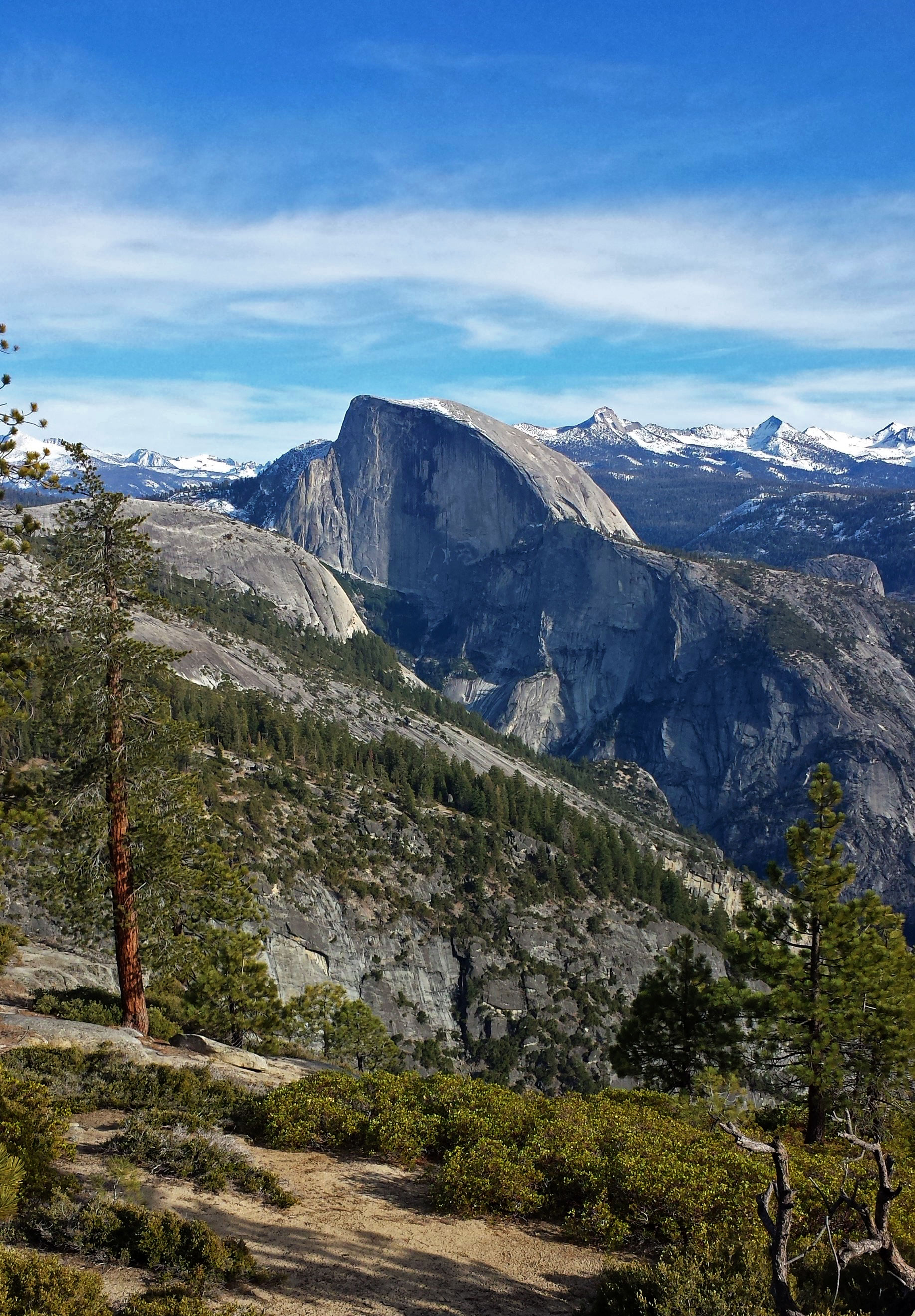
The best hikes in Yosemite National Park cover everything from a gentle stroll to the foot of a thundering waterfall to a grueling cable route up Half Dome, so first-timers and seasoned backpackers can both fill an itinerary. This guide walks through the top trails by difficulty and explains how to plan around permits, shuttles, and crowds in Yosemite Valley so you make the most of a limited number of days in the park.
What are the best easy hikes in Yosemite?
For gentle options, the Lower Yosemite Fall trail is a mostly flat one-mile loop to the base of North America's tallest waterfall, and the Cook's Meadow Loop delivers classic views of Half Dome and Yosemite Falls. The Mirror Lake trail is another family-friendly walk with reflections of Half Dome in spring. These routes let you soak up Yosemite National Park scenery without any major climbing or exposure, making them ideal for a first afternoon in the valley.
Which Yosemite hikes are the most rewarding?
The Mist Trail to Vernal and Nevada Falls is the park's signature day hike, climbing granite steps beside roaring cascades that soak you in spring. For panoramic views, the hike to Glacier Point or the steep Four Mile Trail looks straight across at Half Dome and the valley below. Serious hikers chase the Half Dome cables, a strenuous 14- to 16-mile round trip that requires a permit through a lottery, so check the current-year rules before planning your climb.
When should I hike in Yosemite?
Late spring brings the biggest waterfalls as snowmelt peaks, while summer opens the high country around Tuolumne Meadows and Tioga Road. Fall is quieter with crisp air and thinner crowds, and winter transforms the valley into a snowy wonderland but closes many higher trails. Yosemite is one of the crown jewels of California, and it pairs well with a wider tour that might include Sequoia and Kings Canyon to the south.
How do I avoid crowds on Yosemite trails?
Start at sunrise, especially for the Mist Trail and Half Dome, and consider hiking midweek rather than on weekends. The free valley shuttle helps you skip parking headaches, and exploring less-famous areas like Hetch Hetchy or the Tuolumne high country spreads you away from the busiest corridors. A peak-season day-use reservation may be required to enter the park, so confirm the current rules before you arrive.
What should you pack for a Yosemite hike?
Even on popular trails, carry more water than you think you need, along with sun protection and layers, because temperatures swing sharply between the shaded valley floor and exposed granite. Sturdy shoes with good grip matter on the wet, slick steps of the Mist Trail and on the Half Dome subdome. Bears are active throughout the park, so store food properly and never leave snacks unattended at trailheads or viewpoints.
FAQ
Do you need a permit to hike Half Dome?
Yes. Day hikers need a permit to climb the Half Dome cables, distributed through a preseason lottery with limited daily spots. Always check the current-year rules and application dates on the park website.
What is the most famous hike in Yosemite?
The Mist Trail to Vernal and Nevada Falls is arguably the most famous, thanks to its granite staircase and up-close waterfall views. Half Dome is the most famous summit hike but demands far more effort and a permit.
How many days do you need in Yosemite?
Two to three days lets you combine easy valley walks, one waterfall hike, and a viewpoint like Glacier Point without rushing. Add more time if you want to explore Tuolumne Meadows and the high country along Tioga Road.