
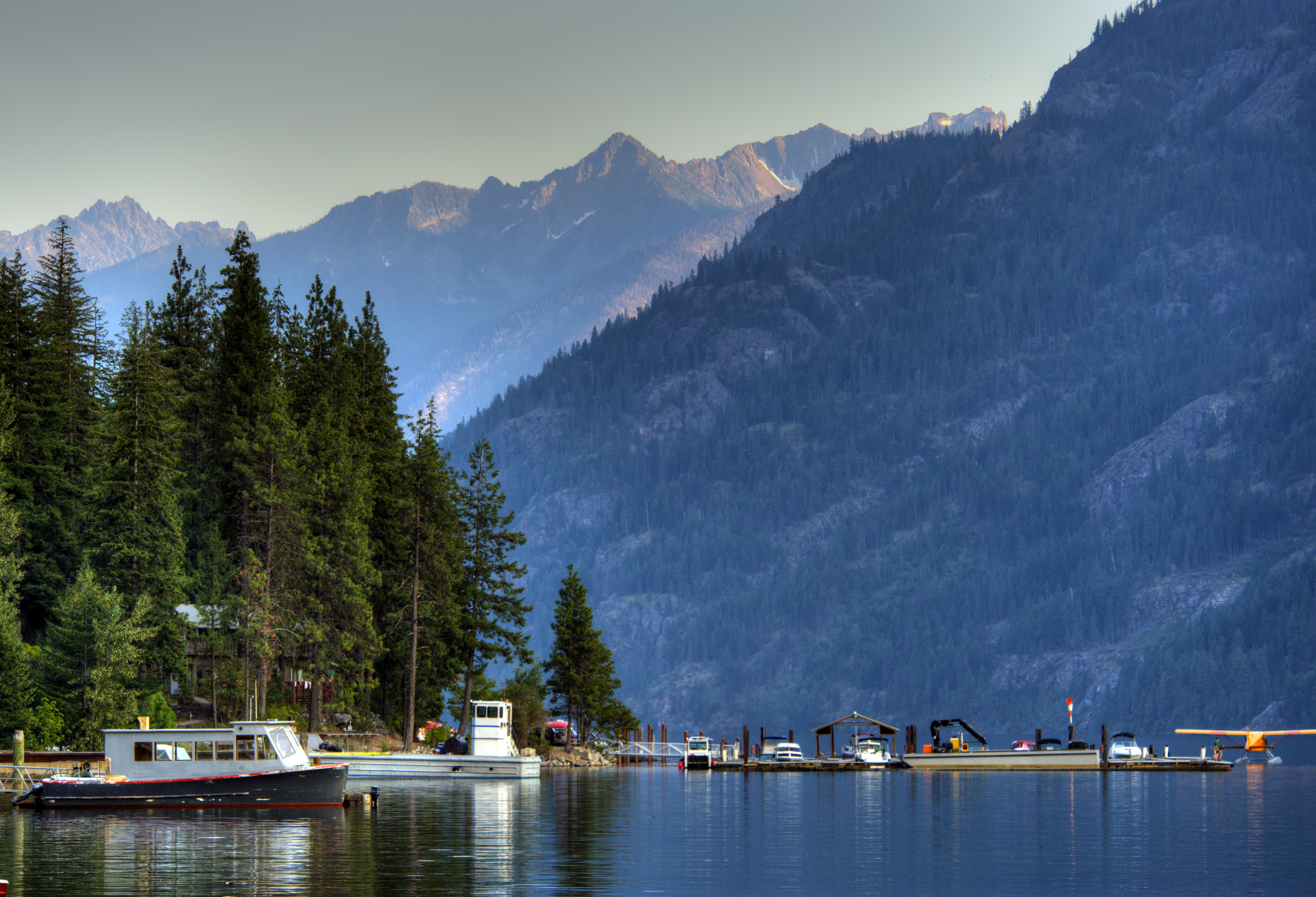
The best hikes in North Cascades National Park deliver some of the most dramatic alpine scenery in the Lower 48, from turquoise glacial lakes to knife-edge ridgelines crowded with jagged peaks. Often called the "American Alps," this rugged Washington park sees a fraction of the crowds of Rainier or Olympic, which means quiet trails and big rewards. Below is a trail-by-trail guide to the standout routes, how hard each one is, and how to plan a great day on the mountain.
Which North Cascades hike has the best views?
The Cascade Pass Trail is the park's signature day hike. About 7.4 miles round trip, it switchbacks up to a high pass ringed by glaciated summits and the tumbling Boston and Sahale glaciers. Strong hikers can continue up the Sahale Arm toward Sahale Glacier Camp for an even more staggering panorama. For a shorter but still jaw-dropping payoff, the overlooks along Highway 20 near Diablo Lake show off the park's famous glacier-fed teal water. You can see the full park layout on the official North Cascades park page.
What are the best short and family-friendly hikes?
Not every trail here requires a big climb. The Trail of the Cedars near Newhalem is a flat, roughly one-mile loop through old-growth forest with interpretive signs, perfect for families. The Sterling Munro Boardwalk at the visitor center is a short stroll to a platform framing the Picket Range. Thunder Knob Trail, about 3.6 miles round trip with gentle grades, climbs to sunny viewpoints over Diablo Lake without the punishing elevation of the high-country routes.
What are the best challenging hikes in North Cascades?
For hikers chasing altitude and solitude, the Sahale Arm beyond Cascade Pass climbs to roughly 7,600 feet past marmots and wildflower meadows to a glacier's edge. The Maple Pass Loop (about 7.2 miles), just outside the park boundary off Highway 20, is one of Washington's most beloved alpine loops, with nonstop ridge views and larches that turn gold in autumn. Both demand a full day, solid footwear, and an early start to secure trailhead parking.
When is the best time to hike North Cascades?
Mid-July through September is the prime window, once the high-country snow finally melts out. Highway 20 (the North Cascades Highway) typically closes for winter and reopens in spring, so timing your visit around the road is essential. Late September brings golden larch season, a spectacular but very popular time to hike. Always check the current-year road status, trail conditions, and any permit rules on the park website before setting out.
How do I get to the trailheads?
Most major trailheads sit along or just off Highway 20 between Marblemount and Washington Pass; the Cascade Pass trailhead is reached by a gravel road past Marblemount. Because the park is remote, fuel up and stock supplies before you arrive. North Cascades pairs naturally with a wider Washington road trip; see nearby options in our Washington national parks guide, browse every park on the PeepTrip parks hub, or combine it with the volcano trails of Mount Rainier National Park and the rainforests and coast of Olympic National Park.
FAQ
How long is the Cascade Pass Trail?
The Cascade Pass Trail is about 7.4 miles round trip to the pass itself, with roughly 1,800 feet of elevation gain. Extending onto the Sahale Arm adds several more miles and thousands of feet of climbing.
Do you need a permit to hike in North Cascades?
Day hiking in North Cascades National Park is free and requires no entrance fee or permit. Overnight backcountry trips do require a wilderness permit, so confirm the current-year reservation rules before you plan a multi-day route.
When does the North Cascades Highway open?
Highway 20 through the park usually closes in late fall and reopens sometime in spring once avalanche danger clears, though exact dates vary each year. Check the current-year highway status before traveling, especially in the shoulder seasons.
Are the lakes really that blue?
Yes. Diablo Lake and other reservoirs get their vivid turquoise color from glacial "rock flour," fine sediment ground up by glaciers and suspended in the water, which reflects light in that striking teal hue.