
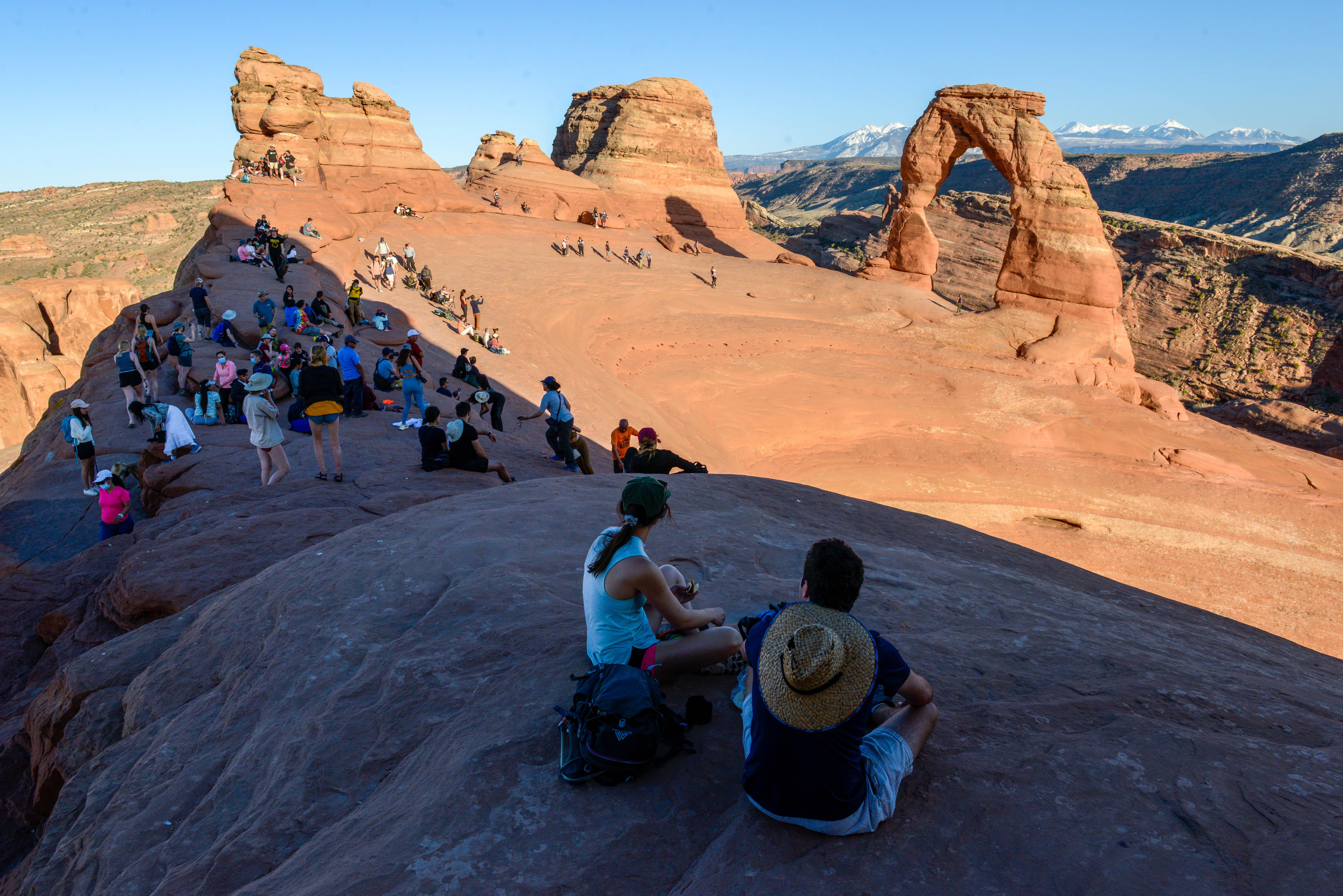
Arches timed entry is a seasonal reservation system that requires a dated ticket to drive into Arches National Park during the busiest months, and understanding it is key to a smooth visit. In recent years the park has used timed entry to manage heavy traffic that once caused long backups at the entrance. This guide explains how the system works, when it applies, how to book, and how to visit if you miss out on a reservation.
What is Arches timed entry?
Timed entry is a pilot reservation program that limits how many vehicles enter Arches National Park during peak daytime hours in the busy season. You reserve a one-hour arrival window in advance, then enter anytime within that window. The goal is to reduce congestion and protect the visitor experience in Utah's most popular arch-filled landscape near Moab.
When is timed entry required?
The reservation requirement typically applies during the spring-through-fall high season and only during daytime hours, often from early morning to mid-afternoon. Outside those months and outside the daily window, you can usually enter without a reservation. Because the exact dates and hours change every year, check the current-year rules on the National Park Service and Recreation.gov before you plan your trip.
How do you get a reservation?
Timed-entry tickets are released through Recreation.gov, usually in blocks several months ahead, with a smaller batch of next-day tickets released the evening before. Reservations sell out quickly on popular dates, so set a reminder for the release time and be ready to book the moment they open. A small processing fee applies in addition to the standard park entrance fee or pass.
What if you cannot get a timed-entry ticket?
If reservations are gone, you can still enter before or after the daily timed-entry window, which often means arriving very early or later in the afternoon. This approach also rewards you with softer light and cooler temperatures. Alternatively, spend the day at nearby Canyonlands National Park, which is close to Moab and typically does not require timed entry.
What should you see inside Arches?
Once inside, do not miss Delicate Arch, the park's signature landmark, along with the Windows Section, Landscape Arch, and the fiery spires of the Fiery Furnace. Sunrise and sunset paint the sandstone in brilliant color and coincide with the times you are most likely to enter without a reservation. Carry plenty of water, as shade is scarce and summer heat is intense in this high desert.
Tips for visiting Arches
Book your timed-entry ticket the moment it becomes available, and photograph or screenshot your reservation for the entrance station. Arrive early to beat both crowds and heat, and consider pairing Arches with Canyonlands and Zion for a full Utah road trip. Because rules and fees shift annually, always confirm the current-year rules before you go so there are no surprises at the gate.
FAQ
Do I need a reservation to enter Arches National Park?
During the peak season and daytime hours, yes, a timed-entry ticket is required. Outside those windows you can usually enter without one. Check the current-year rules for exact dates and times.
Where do I book Arches timed entry?
Timed-entry tickets are sold through Recreation.gov, with a main release months ahead and a next-day batch the evening before. A processing fee applies in addition to entrance costs.
Can I visit Arches without timed entry?
Yes. You can enter before or after the daily timed-entry window, often early morning or late afternoon, which also brings better light and fewer crowds.How timed entry protects the park
Timed entry may feel like an extra hurdle, but it exists to protect both the landscape and your experience. Before the system, cars often backed up for more than an hour at the entrance, trailhead parking overflowed, and popular arches grew dangerously crowded. By spreading arrivals across the day, the park keeps traffic moving, reduces roadside damage, and gives visitors room to actually enjoy the scenery. Planning around the window rewards you with quieter trails and better photos, and it helps preserve the fragile desert soils and sandstone that draw millions of people to this corner of Utah each year. A little advance planning goes a long way toward a stress-free day among the arches.