
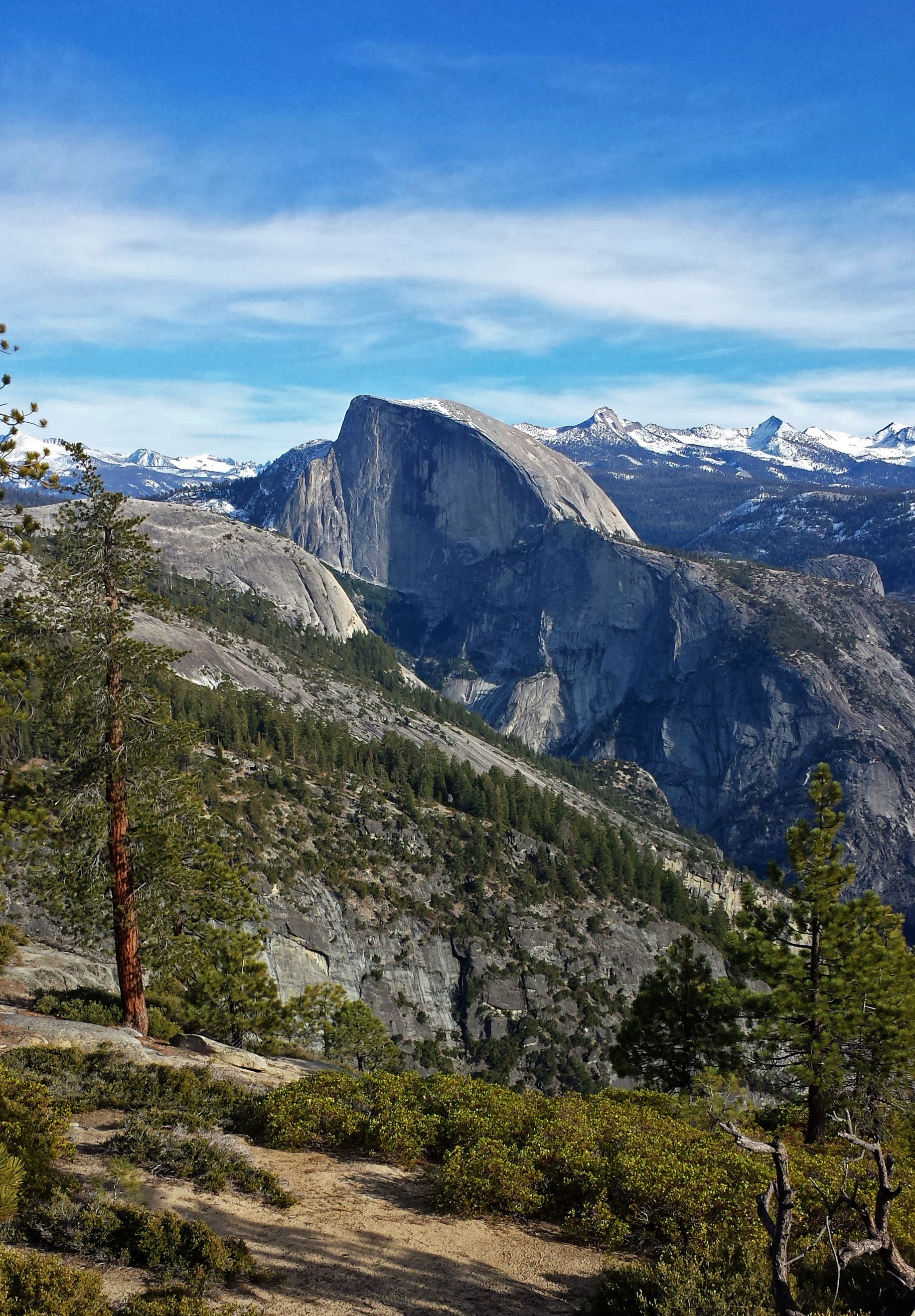
A Yosemite wilderness permit is required for every overnight trip into Yosemite's backcountry, year-round, and the fastest way to get one is the rolling online lottery that opens roughly 24 weeks before your start date. Day hiking does not need a permit — only sleeping out there does (plus the separate Half Dome cables permit). Here is how the system actually works, where people lose their trip, and what to do if the lottery does not go your way.
Who needs a Yosemite wilderness permit?
Anyone spending a night in the Yosemite wilderness needs one — backpackers, climbers bivouacking on a wall approach, and anyone hiking a section of the John Muir Trail or Pacific Crest Trail that starts inside the park. Permits are issued per trailhead and per start date, not per person, so one permit covers your whole group up to the listed party size limit.
You do not need a wilderness permit to day hike, even for long routes like the Mist Trail or Clouds Rest. The one exception is Half Dome, where the cables section has its own permit and its own lottery. If you only want big day hikes, our guide to the best hikes in Yosemite covers routes that need no paperwork at all.
How does the Yosemite wilderness permit lottery work?
Yosemite uses a rolling weekly lottery on Recreation.gov rather than one mass release day. The application window for a given start date opens about 24 weeks (roughly 168 days) ahead and stays open for about a week; results are emailed a couple of days after it closes, and successful applicants have a short window to pay and confirm. Applying on the first morning gives you no advantage over applying on the last — every entry in the window is treated equally, so take the time to list several acceptable trailheads in priority order instead of racing the clock.
A portion of each trailhead's daily quota is held back and released on a rolling basis about a week before the start date. That release is the modern replacement for lining up at a permit station at dawn, and it is genuinely winnable for flexible hikers. Exact percentages, window lengths and fees shift between seasons — check the current-year rules on the park's wilderness permit page before you plan around any specific number.
Which trailheads are hardest to get?
Demand is not spread evenly. Happy Isles (the Half Dome and Little Yosemite Valley corridor), Cathedral Lakes, Lyell Canyon and the Donohue Pass exit for southbound JMT hikers are the classic bottlenecks, and the Donohue exit carries its own separate quota on top of the trailhead quota. Less-loved entries — Yosemite Creek, White Wolf, Chilnualna Falls, Mono Meadow — often have space when the marquee trailheads have none, and several of them reach the same high country by a slightly longer route. Choosing a Tuesday start over a Friday start moves the odds more than almost anything else you can do.
What are the rules once you have the permit?
An approved bear-resistant food canister is mandatory for all overnight trips — no hanging, no exceptions, and this is the most common reason people get turned away or cited. Campfires are prohibited above 9,600 feet, and above that line you need a stove. Camp at least 100 feet from water and from trails, and expect a minimum-distance rule from the trailhead or road for your first night in the busier corridors. Permits are trailhead-specific for your entry day only; after that first night you are free to roam, which is why a "wrong" trailhead can still get you where you want to go.
What if you cannot get one?
Shift the dates, shift the trailhead, or shift the park. Early October trips see a fraction of the July demand with better water clarity and no mosquitoes, and the week-out release genuinely opens up in shoulder season. If Yosemite simply will not cooperate, Sequoia and Kings Canyon sit on the same granite spine with far softer permit competition. Our California national parks guide maps the alternatives, and the Yosemite park page has current conditions and seasonal road closures.
FAQ
How far in advance can I apply for a Yosemite wilderness permit?
About 24 weeks — roughly five and a half months — before your trip start date, through the rolling lottery on Recreation.gov. Confirm the exact window for the current year, since the park has adjusted it before.
Do I need a wilderness permit to day hike in Yosemite?
No. Day hikes need no wilderness permit. The only day-use permit in the park is for the Half Dome cables, which is issued through a separate lottery.
Is a bear canister really required?
Yes, for every overnight trip in the Yosemite wilderness. Approved canisters can be rented in the park, and rangers do check at trailheads.
Does a wilderness permit cover park entry?
No. You still need a park entrance pass or fee payment, and in peak periods a reservation may also be required to drive in. Check the current-year entry rules before you go.
Can I add Half Dome to my wilderness permit?
Wilderness permit holders can request Half Dome cables access as an add-on when applying, subject to a daily cap. It is not automatic, and it is not guaranteed.