
The best hikes in Rocky Mountain National Park lead to glassy alpine lakes, thundering waterfalls, and airy summits high above the treeline. Rocky Mountain National Park in Colorado packs an incredible range of trails into one place, from gentle lakeshore strolls to serious high-altitude climbs. This guide highlights the standout routes for every level, what to expect on each, and how to hike safely at elevation where weather and thin air demand extra planning.
What makes hiking here special?
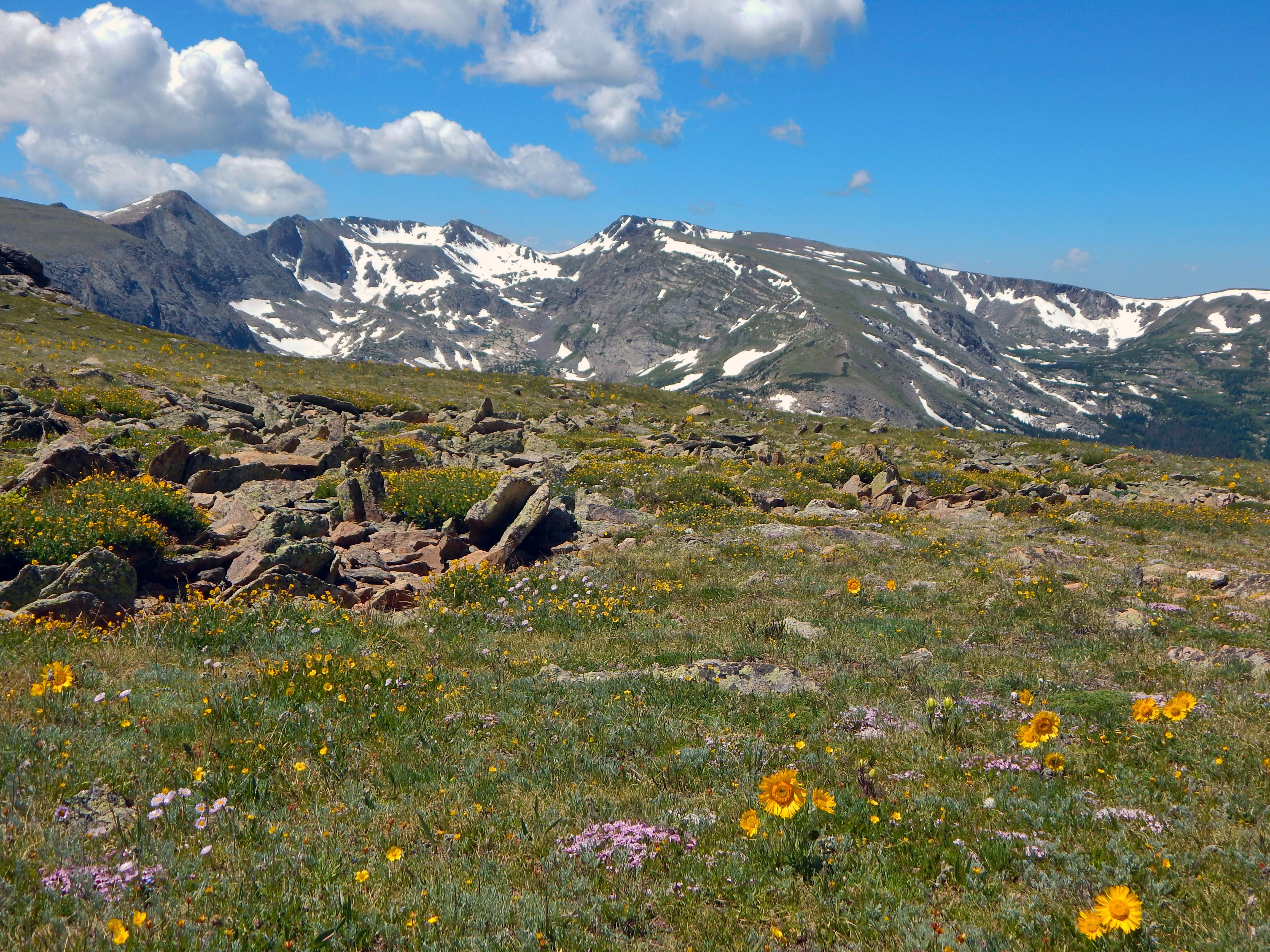
Rocky Mountain National Park sits astride the Continental Divide, so its trails climb quickly from forested valleys into a stark alpine world of tundra and granite peaks. Wildlife like elk, marmots, and bighorn sheep are common, and dozens of lakes mirror the surrounding summits. The high elevation means dramatic scenery close to the trailhead, but it also brings thinner air, colder temperatures, and afternoon storms that shape how you plan each day.
What are the best easy hikes?
Bear Lake offers a nearly flat loop with stunning reflections right from the parking area, making it perfect for families and acclimatizing. Alberta Falls is a short, rewarding walk to a lively cascade. Sprague Lake provides an accessible, gentle path with big mountain views. These low-effort trails deliver classic park scenery while helping you adjust to the altitude before tackling anything steeper.
Which moderate hikes stand out?
The trail to Emerald Lake passes Nymph and Dream lakes on the way to a jaw-dropping alpine basin, one of the park's most beloved routes. Gem Lake climbs through granite formations to a small tarn with valley views. These moderate hikes add climbing and distance but remain achievable for fit day hikers, and their payoffs rank among the finest in the entire park.
What about challenging alpine routes?
Sky Pond is a demanding trek past waterfalls and a rugged scramble to a dramatic cirque ringed by spires. Longs Peak, the park's highest summit, is a strenuous, exposed climb reserved for experienced, well-prepared hikers with an alpine start. These routes require excellent fitness, early departures, and constant attention to weather, but they reward you with some of Colorado's most spectacular high-country scenery.
How do you hike safely at altitude?
Start early to beat afternoon thunderstorms, which build quickly over the peaks. Acclimatize for a day or two, drink plenty of water, and turn back if lightning threatens exposed terrain. Carry layers, since alpine weather changes fast, and know that timed-entry permits may be required in peak season. Always check the current-year rules for reservations and trail closures, since these change annually.
When is the best time to hike?
Mid-summer through early fall offers the most open high trails, though snow can linger into July on alpine routes. July brings wildflowers, September delivers golden aspens and elk bugling, and higher trails clear latest. Whatever the season, confirm the current-year rules for Trail Ridge Road status and timed entry, since the park's high roads and permit systems shift each year.
FAQ
What is the best hike in Rocky Mountain National Park?
The Emerald Lake trail is a top pick, passing Nymph and Dream lakes to a stunning alpine basin. Bear Lake suits easy walkers, while Sky Pond and Longs Peak challenge experienced hikers seeking bigger objectives.
Do you need a permit to hike here?
Timed-entry reservations are often required to enter the park during peak season, and wilderness permits apply for overnight trips. Always check the current-year rules for reservations before planning your hikes.
How do you handle the high altitude?
Acclimatize for a day, hydrate well, pace yourself, and start early. Watch for symptoms of altitude sickness and descend if they worsen. Afternoon storms are common, so plan to be off exposed summits by midday.