
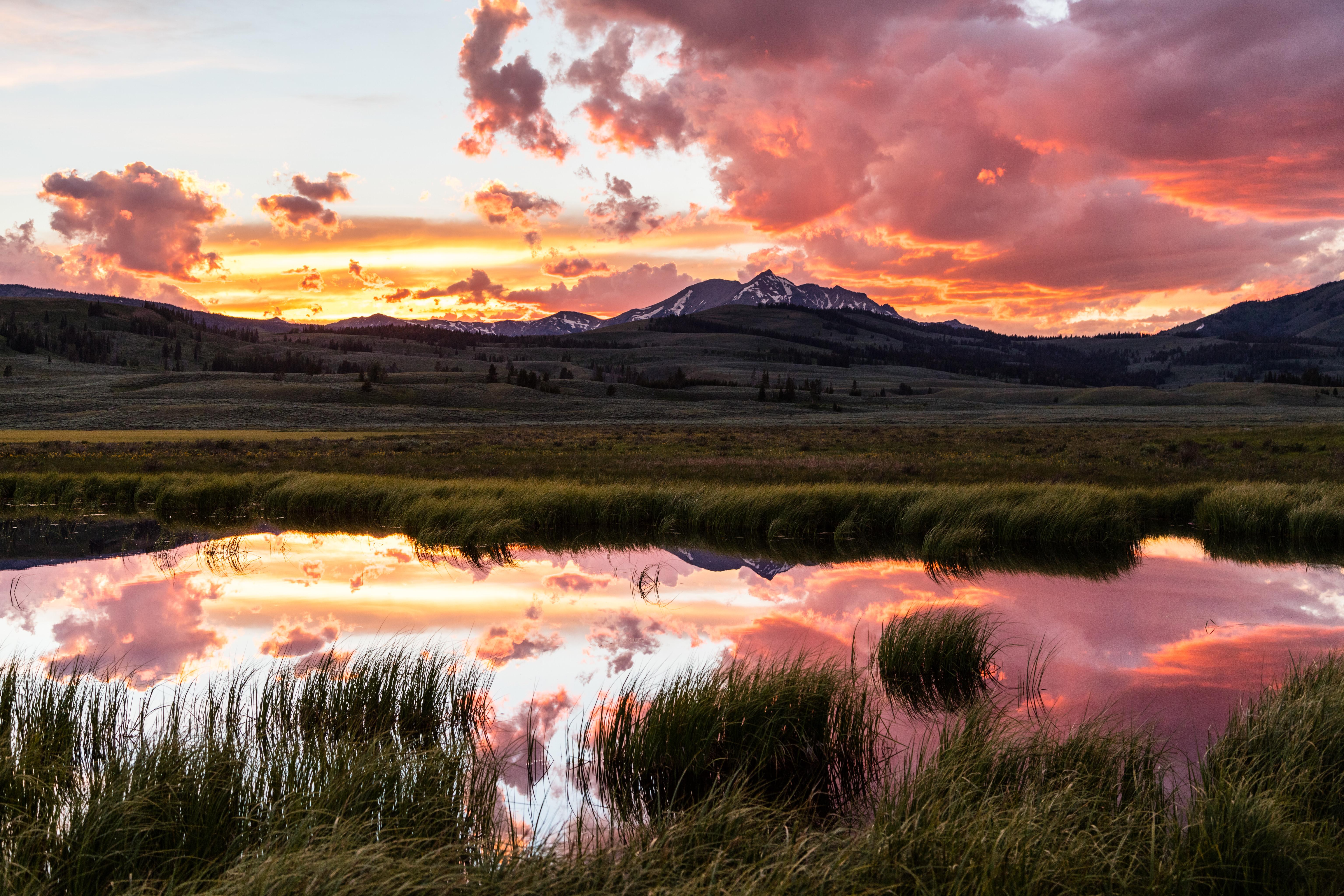
The best hikes in Yellowstone range from flat boardwalks past steaming geysers to lung-busting climbs with sweeping mountain views. Yellowstone National Park in Wyoming is enormous, so choosing the right trails helps you experience its geothermal wonders, wildlife-rich valleys, and high overlooks without wasting precious time. This guide highlights standout hikes for every ability level, with what to expect on each, plus tips to hike safely in a landscape shared with bison and bears.
What makes hiking in Yellowstone special?
Few places let you walk past erupting geysers, thundering waterfalls, and grazing bison in a single day. Yellowstone's trails cross geothermal basins, forests, canyons, and alpine ridges, offering incredible variety. Because the park is vast and wildlife is everywhere, planning matters: trails cluster around regions like Old Faithful, Canyon, and the Lamar Valley. Grouping hikes by area cuts driving time and lets you focus on the scenery rather than the road.
What are the best easy hikes?
For gentle, high-reward walks, the boardwalks around Grand Prismatic Spring and the Upper Geyser Basin deliver world-class geothermal views on flat, accessible paths. Storm Point on Yellowstone Lake is an easy loop with wildlife and shoreline scenery. These short trails suit families and first-timers, and they showcase the features that make the park famous without requiring elevation gain or advanced navigation skills.
Which moderate hikes are worth it?
The Fairy Falls trail rewards you with a tall waterfall and an unbeatable overlook of the rainbow-hued Grand Prismatic Spring. Mystic Falls near Old Faithful offers a satisfying forest walk to a cascading waterfall. These moderate routes add a bit of distance and gentle climbing while still fitting comfortably into a half day, making them ideal for hikers wanting more than a boardwalk stroll.
What about challenging summit hikes?
For big views, Mount Washburn climbs to a historic lookout with panoramas across much of the park and frequent bighorn sheep sightings. The Avalanche Peak trail is a steep, strenuous climb best in late summer once snow clears. These demanding routes require good fitness, early starts, and awareness of fast-changing mountain weather, but the summit rewards are among the finest in the park.
How do you hike safely in Yellowstone?
Carry bear spray, know how to use it, and make noise on the trail to avoid surprising wildlife. Stay on marked paths, especially in thermal areas where ground can be dangerously thin. Give bison and other animals a wide berth, pack water and layers, and start early for parking and cooler temperatures. Always check the current-year rules for trail closures, which change annually due to wildlife and conditions.
When is the best time to hike?
Summer offers the most open trails, though high routes may hold snow into July. Early summer brings wildflowers and roaring waterfalls, while September delivers crisp air, fewer crowds, and active wildlife. Spring and fall can see sudden snow at elevation. Whatever the season, confirm the current-year rules for trail and road status, since Yellowstone's conditions shift dramatically through the year.
FAQ
What is the best easy hike in Yellowstone?
The Grand Prismatic Spring boardwalks and the Fairy Falls overlook are top easy-to-moderate picks, delivering iconic geothermal views with minimal effort. Storm Point is another gentle, wildlife-rich loop worth adding to your day.
Do you need bear spray to hike in Yellowstone?
Yes, bear spray is strongly recommended on all trails. Carry it where you can reach it quickly, learn how to use it, and make noise to avoid surprising bears, especially in forested or brushy terrain.
Are Yellowstone trails open year-round?
Many trails are seasonal, with high routes closed by snow much of the year. Summer offers the widest access. Always check the current-year rules for trail and road openings before planning your hikes.