
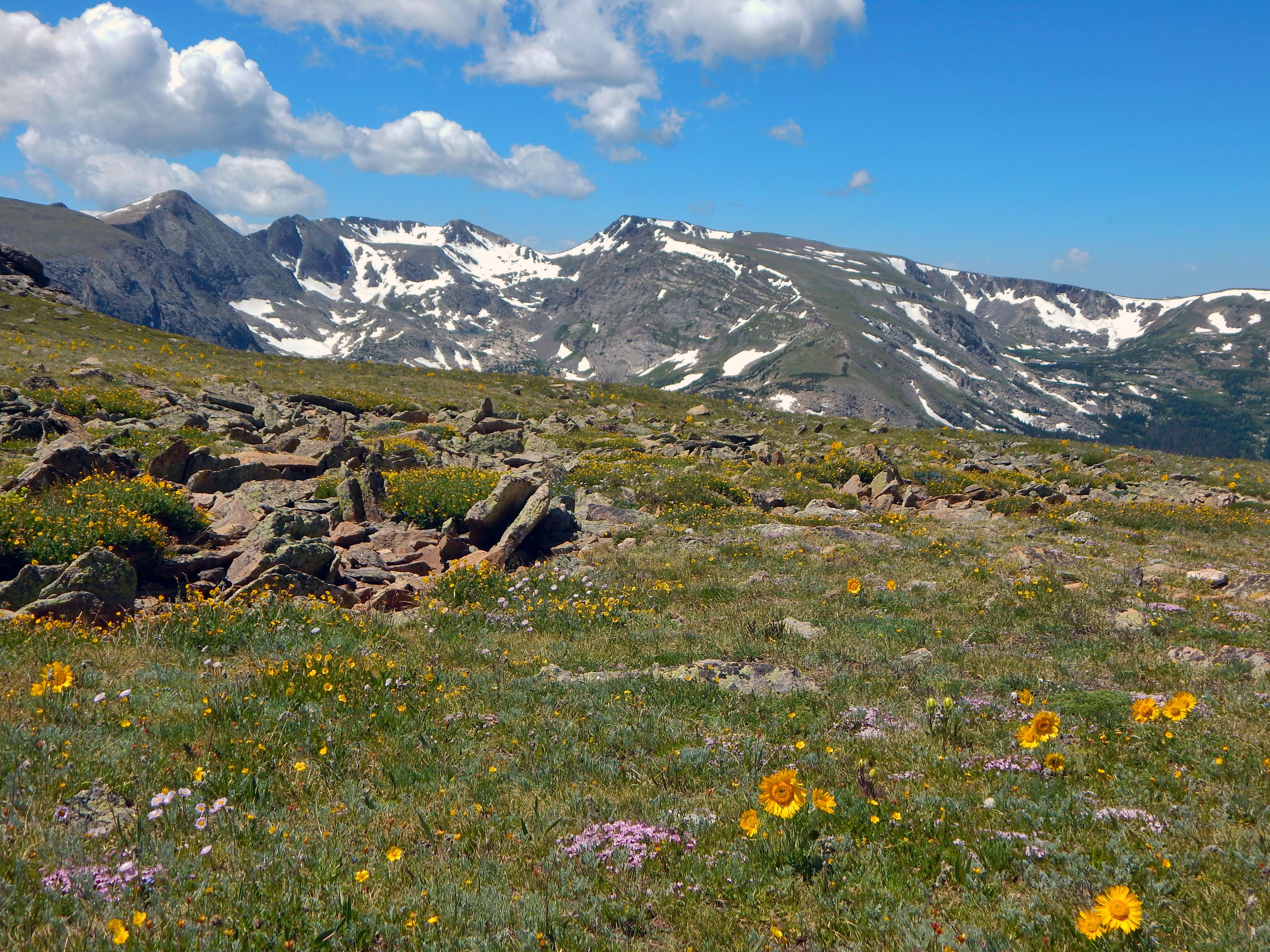
The choice of Rocky Mountain vs Grand Teton pits two beloved Rocky Mountain parks against each other: one a high-altitude playground of tundra and alpine lakes, the other a jagged skyline of granite peaks rising straight from the valley floor. Both are stunning, but they offer different experiences for hikers, wildlife lovers, and road-trippers. This guide compares them on scenery, hiking, wildlife, access, and crowds to help you decide.
What is the main difference?
Rocky Mountain National Park in Colorado is defined by high elevation, with Trail Ridge Road climbing above 12,000 feet through alpine tundra. Grand Teton National Park in Wyoming is defined by verticality, its sharp peaks soaring more than 7,000 feet above the Snake River and a string of glacial lakes. One is about altitude and open tundra; the other is about dramatic, photogenic mountain walls.
Which park has better scenery?
It depends on your taste. Grand Teton offers some of the most iconic mountain views in America, with peaks reflected in Jenny Lake and Oxbow Bend. A visit to Grand Teton National Park is a photographer's dream. Rocky Mountain counters with sweeping tundra vistas, alpine lakes, and the thrill of driving one of the highest paved roads in the country, making both hard to beat in their own way.
Which is better for hiking?
Both parks are hiker's paradises. Rocky Mountain has more than 350 miles of trails, from easy lakeside strolls to summit pushes on Longs Peak. Hiking in Rocky Mountain National Park means high altitude, so acclimate first. Grand Teton offers unforgettable routes like Cascade Canyon and the Paintbrush Divide, with trailheads that put you right beneath the peaks from the start.
Which park is better for wildlife?
Grand Teton has the edge for large mammals, with moose, elk, bison, pronghorn, and frequent bear sightings across its sagebrush flats and along the Snake River. Rocky Mountain is renowned for elk, especially during the fall rut in Moraine Park, plus bighorn sheep and marmots. Both deliver excellent wildlife viewing, but Grand Teton's variety of big animals is tough to match.
When should you visit each?
Both parks are best from late June through September, when high roads and trails are snow-free. Fall brings elk bugling and golden aspens to Rocky Mountain and glowing cottonwoods to Grand Teton. Rocky Mountain uses a timed-entry reservation system in peak season. Whenever you go, check the current-year rules for reservations, road openings, and closures before you leave home.
Which is easier to reach?
Rocky Mountain is more accessible, just 90 minutes from Denver International Airport, making it ideal for a quick trip. Grand Teton is more remote but well served by Jackson Hole Airport and easily paired with Yellowstone just to the north. If convenience matters most, Rocky Mountain wins; if you want a bigger wilderness circuit, Grand Teton fits naturally into a longer itinerary.
How do you choose?
Choose Rocky Mountain for high-altitude adventure, easy access from Denver, and classic alpine scenery. Choose Grand Teton for jaw-dropping peaks, superb wildlife, and a gateway to Yellowstone. If you have the time, both reward repeat visits, but let your priorities around access and scenery guide a single trip.
FAQ
Is Rocky Mountain or Grand Teton higher in elevation?
Rocky Mountain sits at higher average elevation, with Trail Ridge Road cresting above 12,000 feet. Grand Teton's valley floor is lower, though its peaks rise dramatically above it.
Can I visit both parks in one trip?
Yes, but they are roughly eight hours apart by car. Many travelers pair Grand Teton with Yellowstone instead, and treat Rocky Mountain as a separate Colorado trip.
Do either require reservations?
Rocky Mountain has used timed-entry permits in summer, while Grand Teton generally does not for entry. Rules change annually, so check the current-year rules before your visit.