
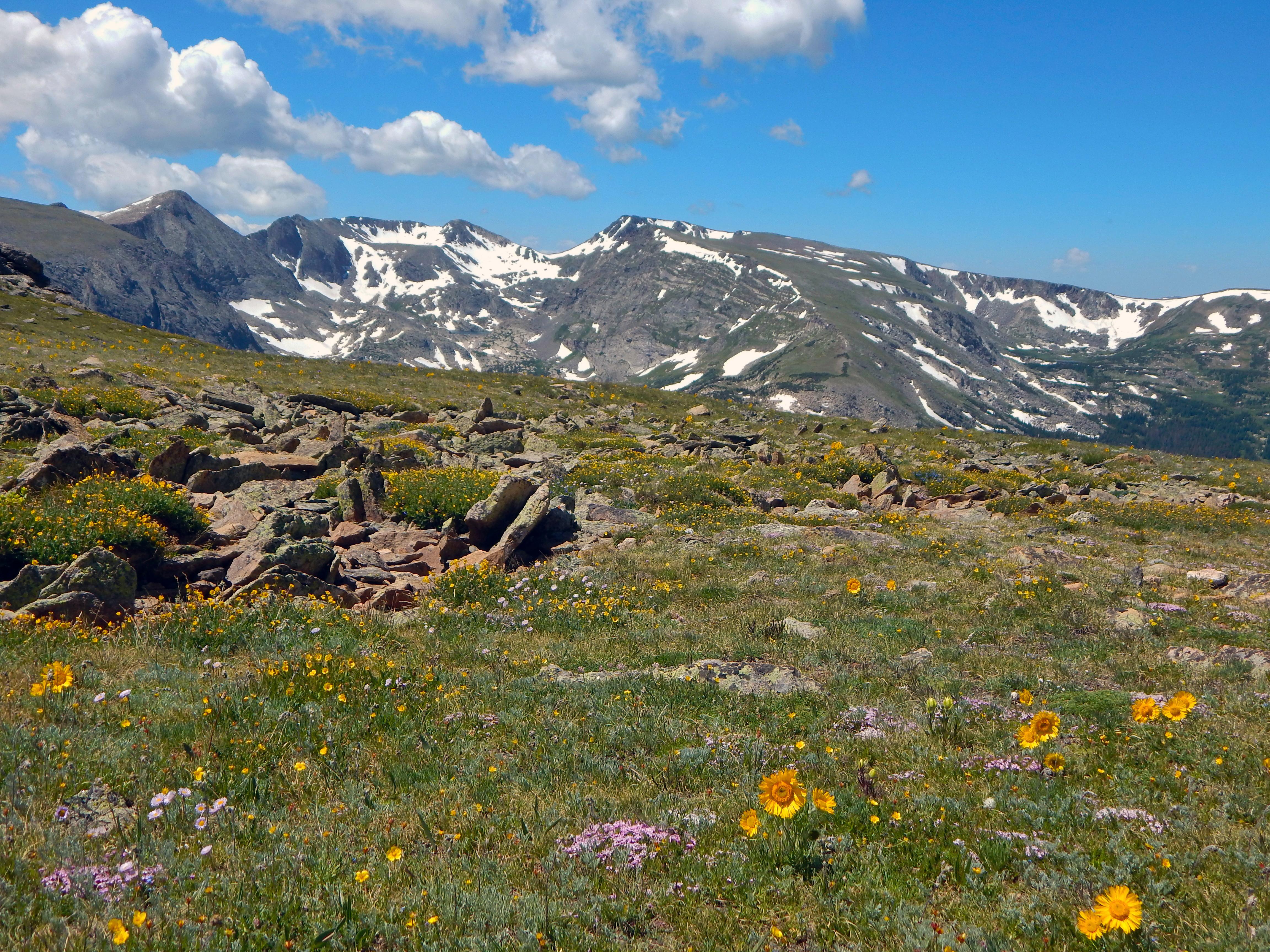
If you have one day in Rocky Mountain National Park, commit to a single corridor — either Bear Lake Road or Trail Ridge Road — because attempting both turns a great day into four hours behind the wheel. Bear Lake Road gives you alpine lakes and real hiking; Trail Ridge Road gives you tundra, elevation, and the easiest big views in the park. Pick one before you book your timed entry permit, because the permit you choose locks in which half of the park you can reach.
Which timed entry permit do you need for a single day?
Rocky Mountain runs two separate reservation types during its busy season, and the difference matters more than anything else in this itinerary. The standard "Park Access" permit covers Trail Ridge Road, Fall River, and the park's west side near Grand Lake, but it does not let you drive Bear Lake Road during the reserved window. The "Park Access+" permit covers everything, including the Bear Lake corridor, and it sells out first. Book Park Access+ if hiking is your priority. Reservations release in monthly blocks with a smaller batch the evening before, so check the current-year rules on the park's reservation page before you plan around a specific window.
One useful loophole: the reservation window has a start and an end time each day. Enter before it begins or after it ends and you do not need a permit at all. A 5:30 a.m. arrival at the Bear Lake Park & Ride gets you a parking spot, sunrise on the water, and no permit stress.
What does an hour-by-hour Bear Lake day look like?
5:30–6:00 a.m. Enter through Beaver Meadows and drive straight to the Bear Lake trailhead. The lot holds roughly 160 cars and fills by 7 a.m. most summer mornings; if it is full, park at the Park & Ride and take the free shuttle.
6:00–9:30 a.m. Hike the Emerald Lake trail. It is about 3.6 miles round trip with roughly 700 feet of gain, and it strings together Nymph, Dream, and Emerald Lakes in one line. This is the single best use of three hours in the park. Turn around at Dream Lake if the altitude is hitting you.
9:30–11:00 a.m. Drive back down and stop at Alberta Falls (1.6 miles round trip from Glacier Gorge) or Sprague Lake, a flat half-mile loop with a picture-perfect reflection of the Continental Divide.
11:00 a.m.–12:30 p.m. Lunch in Moraine Park. Bring it with you — food inside the park is limited to the Trail Ridge Store, and you will not want to drive to Estes Park and back.
12:30–4:30 p.m. If you hold a Park Access+ permit you can still drive Trail Ridge Road in the afternoon. Stop at Many Parks Curve, Rainbow Curve, and Forest Canyon Overlook, then top out at the Alpine Visitor Center at 11,796 feet.
5:00–7:00 p.m. Return to Moraine Park or Horseshoe Park for elk. In September and October the rut brings bulls bugling into the meadows at dusk, and it is the most reliable wildlife viewing in the park.
Should you choose Trail Ridge Road instead?
Choose Trail Ridge if you are short on time, traveling with people who cannot hike far, or arriving without a Park Access+ permit. Trail Ridge Road is the highest continuous paved road in the United States, cresting at 12,183 feet, and the drive from Estes Park to the Alpine Visitor Center takes about 90 minutes each way with stops. The Tundra Communities Trail near the top is a paved-ish mile that puts you in genuine alpine terrain for very little effort.
The catch is seasonality. Trail Ridge Road typically opens around Memorial Day and closes with the first heavy snow in October, and it can close mid-day for weather even in July. If you are visiting outside that window, the Bear Lake plan is your only real option — which is a good reason to read our Rocky Mountain National Park guide before you fix your dates.
Should you base yourself in Estes Park or Grand Lake?
Estes Park, on the east side, is 90 minutes from Denver and puts you five minutes from the Beaver Meadows entrance and the entire Bear Lake corridor. It is the right call for a one-day trip in almost every case. Grand Lake, on the quieter west side, is better if you are approaching from Steamboat or continuing west, and it gives you the Kawuneeche Valley, moose sightings, and the Holzwarth Historic Site with a fraction of the crowds. Just do not plan to sleep on one side and hike on the other — the drive between them is the whole of Trail Ridge Road.
What should you pack for a day at 9,000 feet and up?
Altitude is the thing most first-time visitors underestimate. Bear Lake sits at 9,475 feet and the Alpine Visitor Center is nearly 12,000, so drink more water than feels necessary and move slowly on the climbs. Bring a rain shell regardless of forecast: afternoon thunderstorms build over the Divide almost daily from July through August, and being above treeline during one is genuinely dangerous. Aim to be off exposed tundra by 1 p.m. Add sunscreen, a warm layer for the summit stops, and cash or a card for the entrance fee if you do not have an America the Beautiful pass.
If Rocky Mountain is one stop on a wider Colorado trip, pair it with Black Canyon of the Gunnison or Mesa Verde on the western slope. Our Colorado national parks guide maps out how the four fit together, and you can browse every park in the system from the parks directory.
FAQ
Is one day enough for Rocky Mountain National Park?
One day is enough to do either the Bear Lake corridor or Trail Ridge Road well, and you will leave satisfied. It is not enough to do both properly, and it is not enough for the west side. Two days is the point where the park stops feeling rushed.
Do I need a reservation for one day in Rocky Mountain National Park?
During the summer and early fall reservation season, yes — unless you enter before the window opens in the early morning or after it closes in the evening. Outside that season no timed permit is required. Check the current-year rules, since the dates and window hours are adjusted annually.
What is the best time of day to arrive?
Before 6 a.m. Parking at Bear Lake and Glacier Gorge is the binding constraint on a one-day visit, both lots fill early, and an early start also puts you above treeline before afternoon storms build.
How far is Rocky Mountain National Park from Denver?
About 70 miles to the Beaver Meadows entrance, or roughly 1 hour 45 minutes of driving via Lyons and Estes Park. Leaving Denver at 4 a.m. makes a true day trip workable, though staying in Estes Park the night before is far more pleasant.
Can you drive Trail Ridge Road in one day and still hike?
Yes, if you keep the hike short. Pair the full Trail Ridge drive with the Tundra Communities Trail at the top and Sprague Lake at the bottom. Trying to add Emerald Lake on the same day means a rushed version of both.