
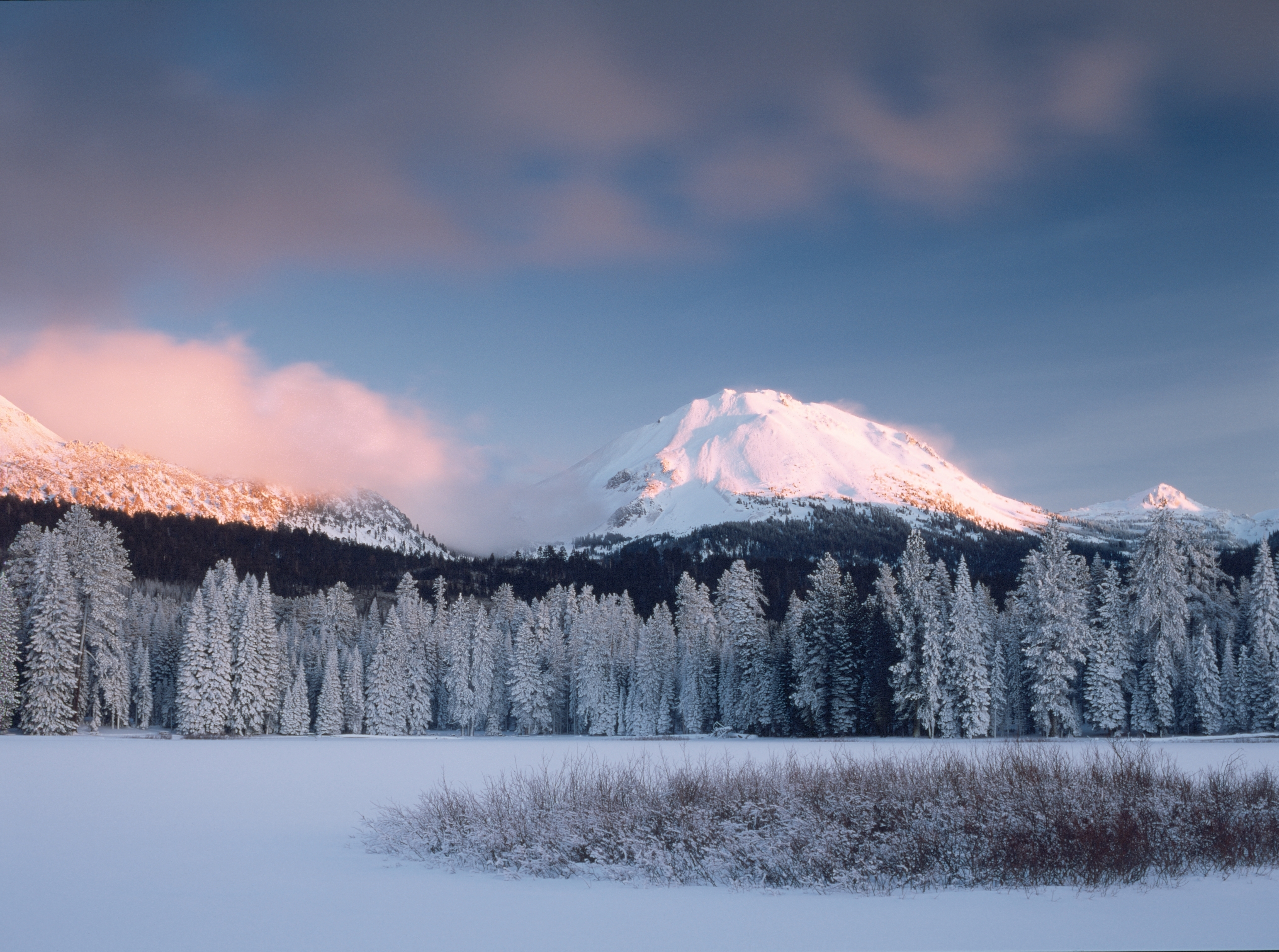
One day in Lassen Volcanic National Park is enough to cover the park's headline features: boiling mud pots and steam vents, a high mountain road, and a calm lake beneath a volcano. Lassen sits in far northern California, and its main road crosses the park's heart, so the smartest plan is a loop that starts at one entrance, stops at a handful of thermal and lake sites, and ends at the other. This itinerary lays out that day, with timing, hiking options, and fallback ideas.
What is the best way to plan one day in Lassen Volcanic?
Use Lassen Park Road, the roughly 30-mile route that links the northwest entrance near Manzanita Lake with the southwest entrance near Sulphur Works. Pick a direction based on where you are sleeping, and expect to spend most of the day on short stops rather than long drives. Snow closes parts of the road for much of the year, and it often does not fully open until early summer, so check the current-year road status before you commit. Start by about 8 a.m. to beat the midday crowds at the main trailheads.
Which stops are worth it in the morning?
Begin at Sulphur Works if you enter from the south, where steaming vents sit right beside the road and need only a few minutes. Continue uphill to the Bumpass Hell trailhead. The hike is a moderate round trip of about three miles, ending at a boardwalk through the park's largest hydrothermal area, with bubbling mud and hissing fumaroles. Stay on the boardwalk, because the ground crust is thin and water can be scalding. Allow about two hours. If you enter from the north, reverse the order and spend your early hours at Manzanita Lake first.
Should you hike Lassen Peak?
Lassen Peak reaches 10,457 feet, and its trail is a strenuous round trip of roughly five miles with a steep climb above 2,000 feet. It is a rewarding choice for fit hikers, but it consumes several hours and requires an early start, sun protection, and plenty of water. For a one-day visit most people do better to choose either Bumpass Hell or Lassen Peak, not both. Altitude and afternoon weather can change fast, so turn around if clouds build.
What should you see in the afternoon?
Drive on toward Summit Lake and the Devastated Area, where interpretive signs explain the 1915 eruption and the landscape it reshaped. Then finish at Manzanita Lake, an easy flat loop of about 1.5 miles with views of Lassen Peak reflected on calm mornings and evenings. Photographers and families tend to like this stop for its short walking distance and picnic areas. If you still have energy, Kings Creek Falls is a rewarding extra for confident hikers, though its trail includes a steep descent.
Where do you eat and stay nearby?
Services inside the park are limited, so bring a packed lunch, water, and snacks from towns outside the boundaries. Lodging is found in gateway communities and at park campgrounds, which can be seasonal. Check the current-year reservations rules before relying on any campsite.
How does Lassen compare with nearby parks?
If you are weighing it against another volcanic landscape, our Crater Lake vs Lassen Volcanic comparison helps decide. For a different northern California day, see the Crater Lake one-day itinerary, or the best hikes in Lassen Volcanic for longer trails. Official details are on the Lassen Volcanic park page, and you can browse more California parks, the full parks directory, or the state guides.
FAQ
Is one day enough for Lassen Volcanic National Park?
Yes, for a first visit. One day covers Bumpass Hell, the main road, and Manzanita Lake, although backcountry trails and the summit need extra time.
When is Lassen Park Road open?
Heavy snow closes sections for much of the year, and full opening usually comes in early summer. Check the current-year road status before you travel.
How long does the Bumpass Hell hike take?
Plan about two hours for the roughly three-mile round trip, including time on the boardwalk and photo stops.
Can you drive through Lassen in one day?
Yes. The road between the two main entrances is about 30 miles, but you will want several hours with stops rather than a straight drive.
What should you bring?
Pack layers, sun protection, extra water, and food, since services inside the park are limited and weather changes quickly at elevation.