
If you have one day in Haleakalā National Park on Maui, the smartest plan is to pick one district instead of trying to cover both: spend the day at the summit and crater, or spend it at the Kīpahulu coast. The two sections of the park are not connected by a road inside the park, and driving between them takes well over two hours, so this itinerary gives you both versions and helps you choose.
Which part of Haleakalā should you choose for one day?
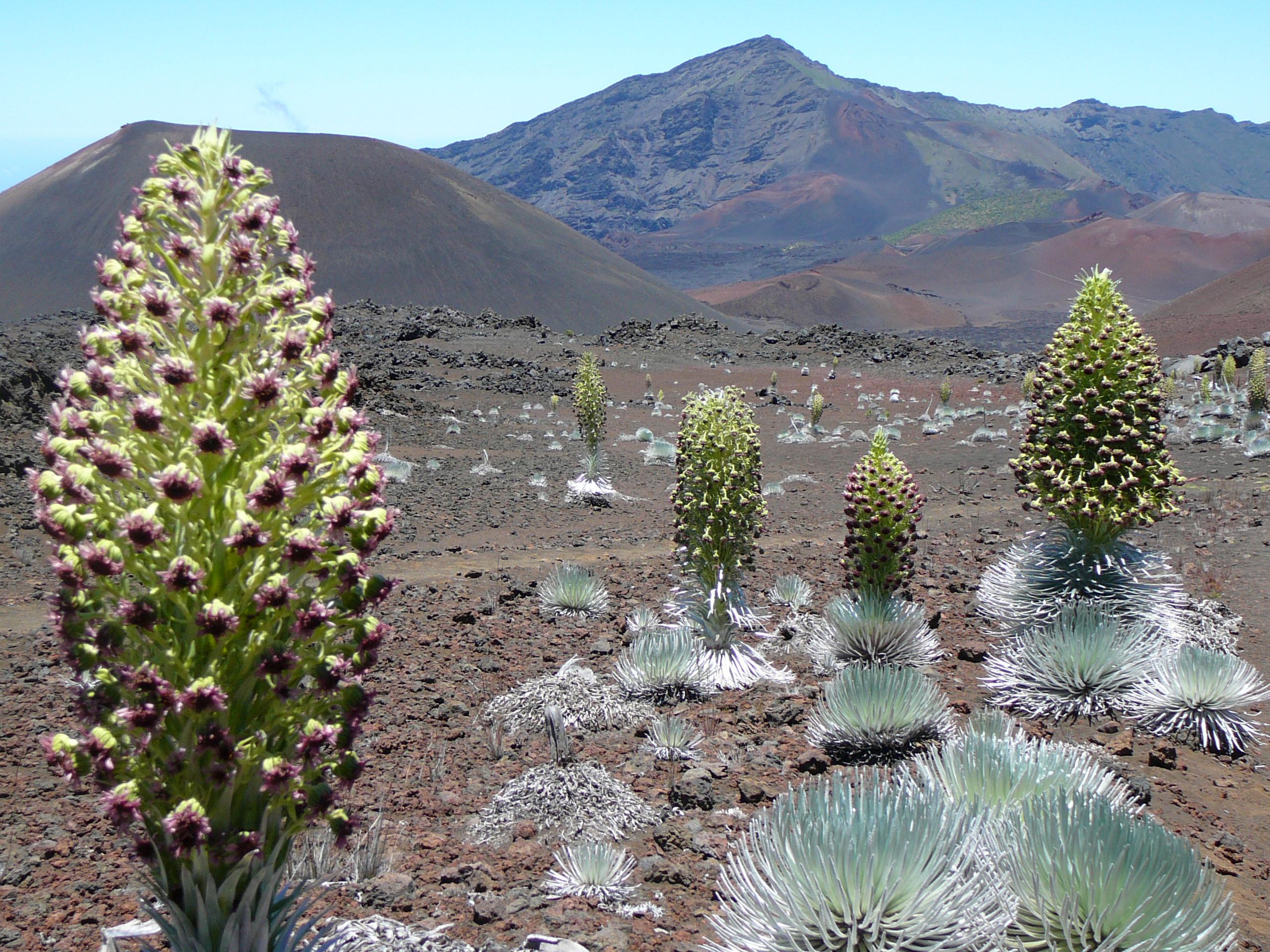
The summit district rises above 10,000 feet and feels like another planet: red cinder, silversword plants, and a crater so large it could hold Manhattan. The Kīpahulu district sits on the wet southeast coast near Hāna, with waterfalls, pools, and a bamboo forest. If you are staying in Kihei, Wailea, or Lahaina, choose the summit. If you are already on the Road to Hāna, choose Kīpahulu. Trying to do both in one day usually means a lot of driving and very little time on the trails.
How do you plan a summit sunrise at Haleakalā?
Sunrise at the summit requires a reservation in advance through the official reservation system, because vehicle entry before sunrise is limited. Rules, fees, and release times change, so check the current-year requirements before you commit. Dress for freezing temperatures even in summer; the summit is often near or below 40 degrees Fahrenheit before dawn, and wind makes it feel colder. Arrive early, because the parking area at the summit fills up, and be ready to drive up in the dark on a winding road.
What should you do after sunrise?
Once the sun is up, drive back down slowly and stop at Leleiwi Overlook and Kalahaku Overlook, both of which give broad crater views and a chance to spot silversword plants, which grow only in this kind of high volcanic environment. Then stop at the Haleakalā Visitor Center, around 9,740 feet, for exhibits, restrooms, and a view into the crater. A short walk at Hosmer Grove, near the entrance, is a gentle contrast, with a forest loop where native Hawaiian birds can sometimes be seen.
What is the best hike in the crater?
The Keonehe'ehe'e (Sliding Sands) Trail drops steeply into the crater from the visitor center area. You do not need to hike far; walking even a mile or two down shows you cinder cones and bright volcanic colors. Remember that every step down is a step you have to climb back up at over 9,000 feet, where the air is thin, so turn around sooner than you think you need to. Carry water, sunscreen, and layers, and pace yourself.
What if you choose the Kīpahulu district?
Start early at the Kīpahulu Visitor Center. The Pipiwai Trail is about four miles round trip, passes a banyan tree and a dense bamboo forest, and ends at Waimoa Falls, which drops hundreds of feet. Afterward, take the short Kūloa Point Trail to see the coastline and the Pools of 'Ohe'o. Swimming in the pools is often closed because of flash flood or rockfall hazards, so check conditions and posted signs before you plan to get in the water.
How does Haleakalā compare with other Hawaii parks?
Haleakalā offers high-elevation scenery and wide crater views, while Hawai'i Volcanoes National Park on the Big Island shows active volcanic landscapes. For the full park profile, read the Haleakalā National Park guide, then see everything else in the state at Hawaii, or browse the national park directory and the state-by-state index.
FAQ
Is one day enough for Haleakalā National Park?
One day is enough to see one district well. Most visitors choose either the summit and crater or Kīpahulu, since driving between them is long.
Do you need a reservation for Haleakalā sunrise?
Yes, a reservation is required for vehicle entry to the summit during the sunrise hours. Rules and fees change, so check the current-year rules on the official sites.
How cold is it at the Haleakalā summit?
It is often near freezing at dawn, with strong wind. Bring a warm jacket, hat, and gloves even in summer.
Can you swim at the Pools of 'Ohe'o?
Swimming is frequently closed due to flash flood and rockfall risk. Check current conditions and posted signs before you go.
How long is the Pipiwai Trail?
It is about four miles round trip and takes most hikers two to three hours, depending on stops.