
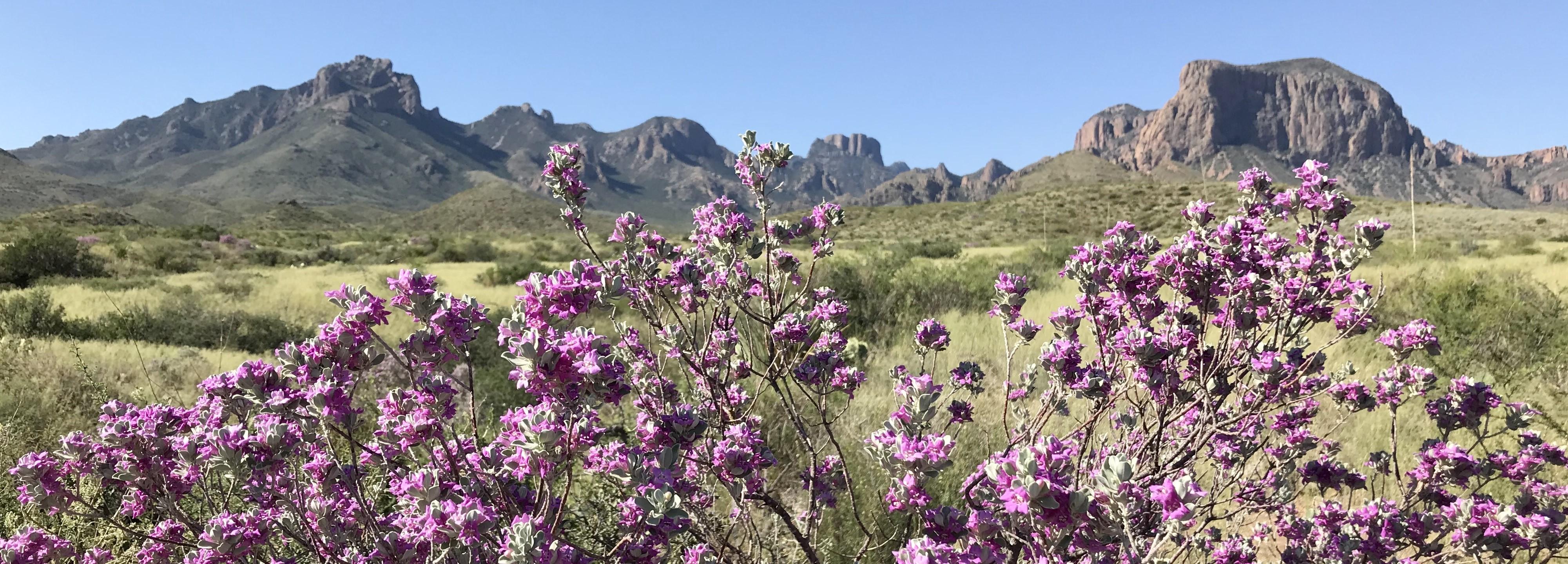
If you only have one day in Big Bend National Park, the best plan is to split it into three zones: a cool-hours hike in the Chisos Mountains, a midday drive to Santa Elena Canyon along the river, and a sunset and stargazing finish near Rio Grande Village. Big Bend is enormous and remote, so the real challenge is not what to see but how to avoid burning your day behind the wheel. This itinerary keeps the driving sensible and puts each stop at the time of day when it looks and feels best.
Before you commit, understand the scale. The park covers more than 800,000 acres of Chihuahuan Desert, river canyon, and mountain forest in far West Texas, and the main sights are spread across long, empty roads. Our full Big Bend National Park guide covers the bigger picture, while this page is the tight, one-day version.
How early should you start your day in Big Bend?
Start at first light, especially from late spring through early fall when afternoon desert heat is serious. Aim to be at the Chisos Basin trailheads by about 7:00 a.m. The Basin sits at roughly 5,400 feet, so it stays noticeably cooler than the desert floor, and early light turns the surrounding peaks gold. Bring more water than you think you need, because shade is scarce and services are far apart. Fill your tank before entering the park, since fuel inside is limited and distances are long.
What is the best morning hike in the Chisos Mountains?
For a one-day visit, choose one of two classics. The Lost Mine Trail is a moderate out-and-back of about 4.8 miles round trip with sweeping views over the Basin and into Mexico, and the first mile or two already deliver most of the payoff if you are short on time. The Window Trail is a downhill-then-uphill hike of around 5.6 miles round trip that ends at a dramatic V-shaped notch in the rock, famous for sunset but still rewarding in the morning. If your group wants something easier, the short Window View Trail is paved and flat and gives a similar vista with almost no effort. Allow two to three hours including photo stops, then head out of the Basin before the day warms up.
Is Santa Elena Canyon worth the drive in one day?
Yes, and it is the highlight that makes a single day feel complete. From the Chisos area, take the Ross Maxwell Scenic Drive toward the Castolon area, a route that passes overlooks such as Sotol Vista and Mule Ears viewpoint. Plan roughly an hour or more each way with stops. At the end, the Santa Elena Canyon Trail is a short walk of about 1.4 miles round trip that crosses Terlingua Creek, climbs a few stairs, and then slips between sheer canyon walls rising hundreds of feet above the Rio Grande. Water levels in the creek vary, so check conditions at a visitor center before you go. Eat a packed lunch here or in the Castolon area, and rest in the shade during the hottest hours.
Where should you spend the late afternoon and sunset?
Loop back toward the park's central road and continue east toward Rio Grande Village, the park's low, green river oasis. If you still have energy, the Boquillas Canyon Overlook and trail give a closer look at the river and the Mexican village of Boquillas across the water. The nearby Hot Springs Historic District is a short stop with old ruins and a small mineral spring. Finish near Rio Grande Village or at a river pullout for golden hour, when the canyon walls glow orange.
Can you stargaze in Big Bend after sunset?
Absolutely. Big Bend is an International Dark Sky Park, and on a clear, moonless night the Milky Way is easy to see from almost any pullout. Stay for an hour after sunset to let your eyes adjust, bring a red-light headlamp, and dress warmly because desert nights cool quickly even after a hot day. If you are staying beyond one day, consider adding a second sunrise to your trip, and compare this park with nearby options in our Texas national parks guide.
How do you pack the day to avoid burnout?
Treat Big Bend like an expedition rather than a drive-through. Carry at least a gallon of water per person, snacks, sunscreen, a hat, and a paper map because cell service is spotty. Keep the order of the day fixed: mountains early, river canyon midday, sunset and stars last. If heat or road conditions slow you down, drop Boquillas and keep Santa Elena, which is the stop most visitors remember. For a different West Texas flavor, Guadalupe Mountains National Park and Carlsbad Caverns National Park sit a long drive to the northwest and pair well on a longer road trip. Browse every destination on our national parks directory or by region on the state pages. Always check the current-year entrance fees, road status, and weather alerts on the official park pages before you go.
FAQ
Can you see Big Bend in one day?
You can see the highlights in one long day, but not the whole park. Focus on one Chisos hike, Santa Elena Canyon, and a sunset spot, and accept that you will spend several hours driving.
What is the best time of year for a one-day visit?
Late fall through early spring offers the most comfortable temperatures. Summer days can be dangerously hot, so start before sunrise and rest through the afternoon if you visit then.
Do you need a high-clearance vehicle for this itinerary?
No. The Chisos Basin road, Ross Maxwell Scenic Drive, and main park roads are paved and suitable for ordinary cars. Check current road conditions before you head out.
Is there food and gas inside Big Bend?
Services are limited and spread out, with a few stores and a lodge restaurant. Fill your tank before entering and carry your own food and water.
Do you need a reservation or permit for a day trip?
Day visitors generally pay an entrance fee and do not need a permit for popular day hikes, but rules and fees change, so check the current-year requirements on the official park site.