
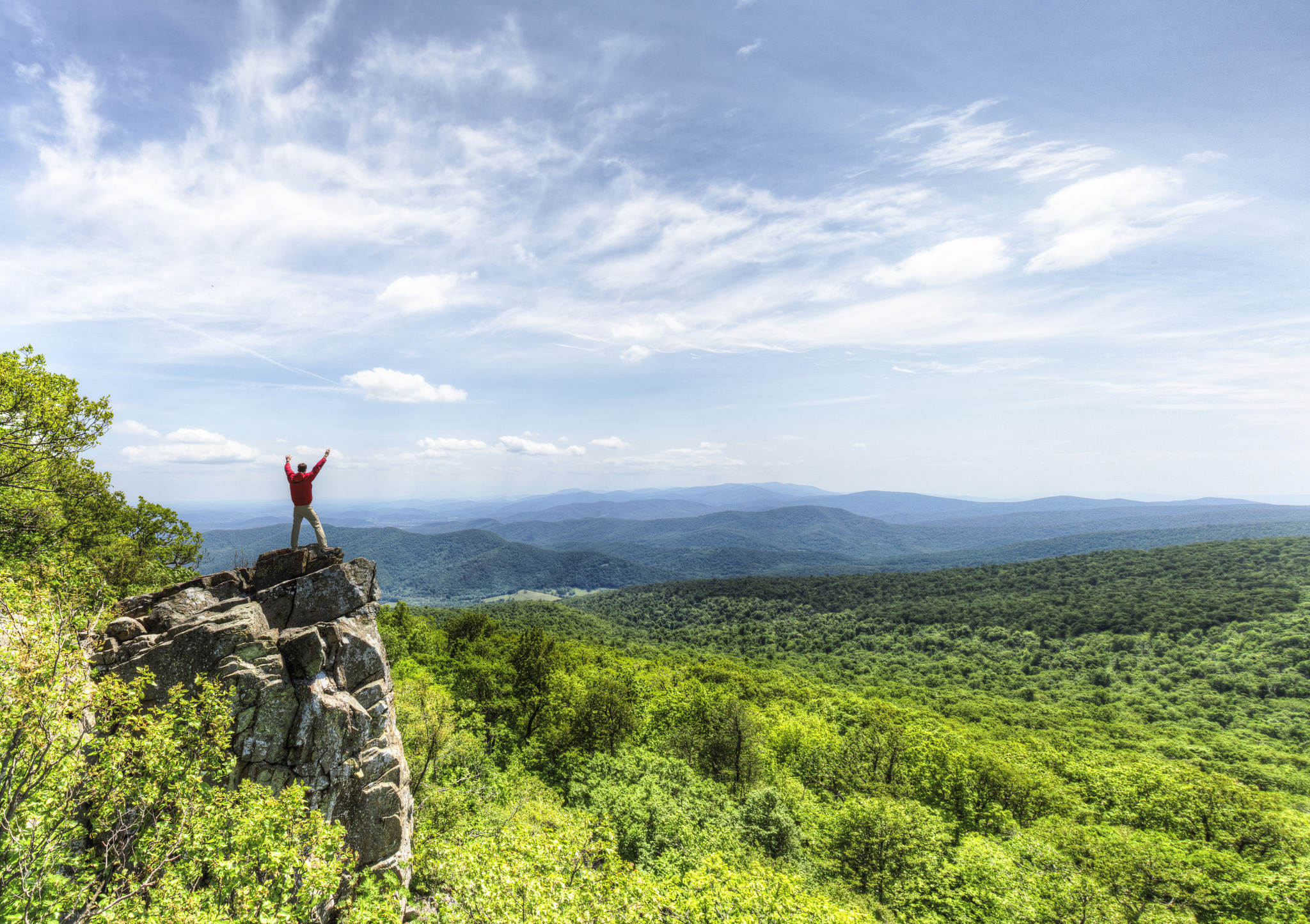
The best national parks near Washington DC put you on a Blue Ridge summit or beside a whitewater river within a half-day drive of the National Mall. The capital sits in a sweet spot for park lovers: the Blue Ridge rises just west of the Beltway, and the Appalachians roll south and west into Virginia and West Virginia. If you have a free weekend, three genuine national parks are within reach, plus a cluster of monuments and historic sites run by the same agency.
What is the closest national park to Washington DC?
Shenandoah National Park is the closest national park to Washington DC. The Front Royal entrance is roughly 75 miles from downtown, about 90 minutes by car with light traffic. Once inside, Skyline Drive traces 105 miles of ridgeline with more than 70 overlooks, and short hikes like Stony Man and Dark Hollow Falls reward a day visit. Because it is so close, Shenandoah is the easy pick for a first trip or a spur-of-the-moment Saturday. Check the current-year rules for entrance fees and any seasonal road or trail closures before you go.
Which parks make a good day trip from the capital?
Shenandoah is the only true national park you can comfortably visit as a round-trip day outing from DC. Leave early, spend the morning on Skyline Drive, hike one waterfall trail, and you can be home for dinner. For a bigger day, the northern district near Front Royal keeps driving time down while still delivering classic Blue Ridge scenery. If you would rather explore by state, our Virginia parks guide and District of Columbia guide map out nearby monuments and historic sites worth pairing with a park visit.
Which national parks are worth an overnight trip?
New River Gorge National Park and Preserve in West Virginia sits about four and a half hours west of DC, making it a rewarding one- or two-night trip. It is famous for its long steel arch bridge, world-class rock climbing, and rafting on the New River. Farther south, Great Smoky Mountains National Park is roughly eight hours away and pairs well with a long weekend, offering the most-visited park in the country with waterfalls, historic cabins, and misty ridgelines. Browse the full parks directory to compare options before booking.
How should you plan a national parks trip from DC?
Start with how much time you have. A single day means Shenandoah; two or three days opens up New River Gorge; a long weekend makes the Smokies realistic. Book lodging early for summer and fall weekends, when Shenandoah's Skyland and Big Meadows fill fast. Download offline maps, because cell service is patchy on Skyline Drive and in the gorge. Finally, confirm the current-year rules for timed-entry pilots, camping reservations, and permits, since the agency adjusts these season to season.
What should you pack and expect on the road?
Weather on the Blue Ridge and in the mountains of West Virginia can differ sharply from the humid conditions in the District, so pack layers even in summer and rain protection in every season. Fill your gas tank before you leave the interstate, since stations thin out near park entrances. Bring water and snacks, download offline maps, and give yourself a buffer for slow, scenic driving on Skyline Drive, where the speed limit is 35 miles per hour and deer are common at dawn and dusk. Arriving early also helps you beat the crowds and secure parking at popular trailheads on peak weekends.
FAQ
What is the closest national park to Washington DC?
Shenandoah National Park is the closest national park to Washington DC, with the Front Royal entrance about 75 miles and 90 minutes from downtown.
How many national parks are near Washington DC?
Three national parks are within a day's drive: Shenandoah in Virginia, New River Gorge in West Virginia, and Great Smoky Mountains straddling North Carolina and Tennessee.
Can you visit a national park as a day trip from DC?
Yes. Shenandoah works well as a day trip; leave early, drive Skyline Drive, and hike one short waterfall trail before heading home.
When is the best time to visit parks near DC?
Late spring and early fall bring mild temperatures and thinner crowds, while October delivers famous foliage along the Blue Ridge. Summer is warm, green, and humid, and winter offers quiet drives with some facilities closed.