
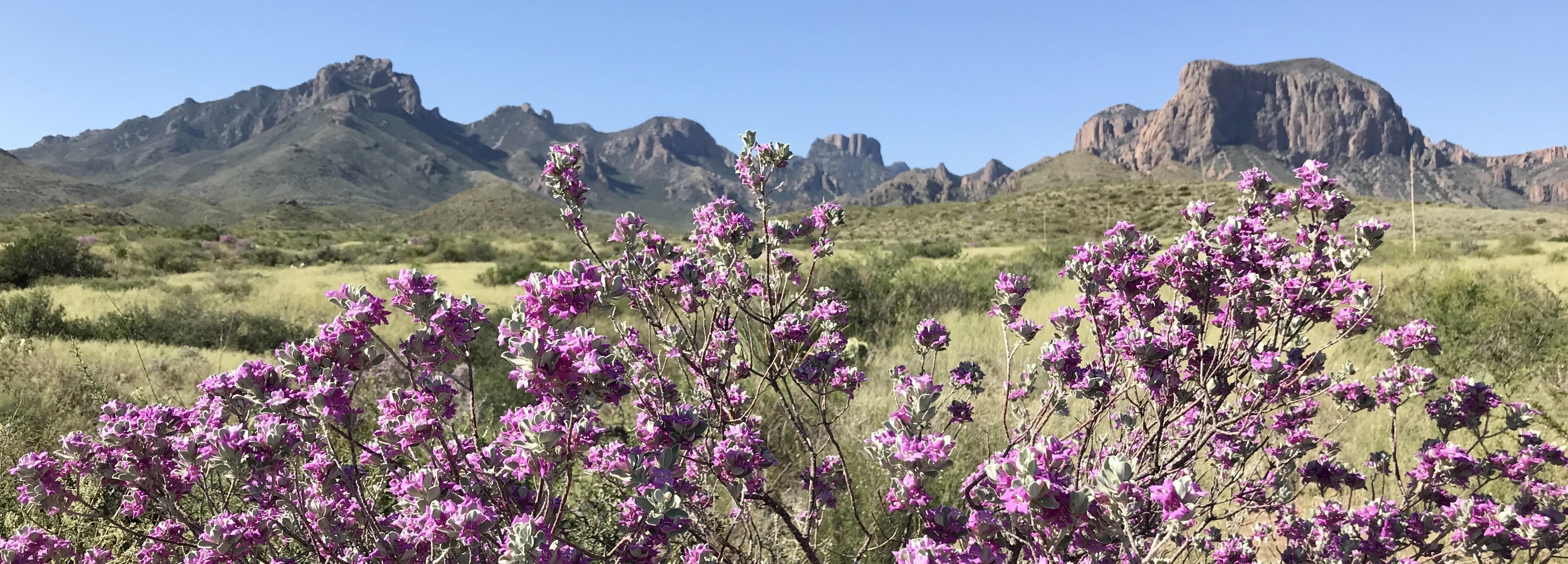
The best national parks near Austin are Big Bend National Park and Guadalupe Mountains National Park, two rugged West Texas escapes reachable on a classic road trip from the state capital. Neither sits on Austin's doorstep, but both reward the drive with desert canyons, sky-island peaks, and some of the darkest night skies in the country. This guide breaks down how far each park is, when to go, and what to do once you arrive.
Which national parks are closest to Austin?
Big Bend National Park is the marquee destination, sitting roughly a full day's drive southwest of Austin along the Rio Grande. Guadalupe Mountains National Park, home to the highest peak in Texas, lies farther west near the New Mexico border. Both are genuine wilderness parks, so plan for long stretches without services, fuel, or cell signal. If you have only a weekend, choose one; with a full week you can string them together into an unforgettable desert loop.
How far is Big Bend from Austin?
Big Bend is about 400 miles from Austin, or roughly six to seven hours of driving. The route runs through the Hill Country and out into the Chihuahuan Desert, where towns thin out and gas stations become rare. Top off your tank in Fort Stockton or Marathon before the final stretch. Inside Big Bend National Park, set aside at least two full days for the Chisos Basin, Santa Elena Canyon, and the riverside hot springs.
What can you do at Guadalupe Mountains?
Guadalupe Mountains National Park is a hiker's park through and through. The trail to Guadalupe Peak climbs to 8,751 feet, the highest point in Texas, while McKittrick Canyon blazes with color each autumn. Because the park is so remote, crowds stay thin even in peak season. Pair a visit to Guadalupe Mountains National Park with nearby Carlsbad Caverns, just over the New Mexico line, for a memorable two-park pairing.
When is the best time to visit?
Spring and fall are ideal for both parks. Summer temperatures in the desert routinely top 100°F, making midday hikes genuinely dangerous, while winter nights can drop below freezing at elevation. March brings wildflowers and comfortable days; late October and early November light up McKittrick Canyon. Whenever you visit, carry far more water than you think you need, start hikes early, and check the current-year rules for road and campground closures before you leave home.
What should you know before you go?
These are big, remote parks with limited lodging, so book campsites or nearby hotels well in advance. Download offline maps, pack a paper backup, and tell someone your route. Entrance fees apply, and an America the Beautiful pass pays off quickly if you plan to visit several parks. Above all, respect the desert: shade is scarce, distances are deceptive, and self-sufficiency is the rule.
FAQ
Are there any national parks within an hour of Austin?
No national parks sit within an hour of Austin, though you'll find excellent Texas state parks and natural areas closer to the city. For a designated national park, plan a road trip west toward Big Bend or Guadalupe Mountains.
Do I need a permit to visit these parks?
Entrance fees apply at both parks, and backcountry camping requires a permit. Reservation systems change often, so check the current-year rules on the National Park Service website before your trip.
Can I visit both parks in one trip?
Yes. Many travelers link Big Bend and Guadalupe Mountains into a week-long loop, often adding Carlsbad Caverns. Expect long drives between them and reserve fuel stops and lodging ahead of time.