
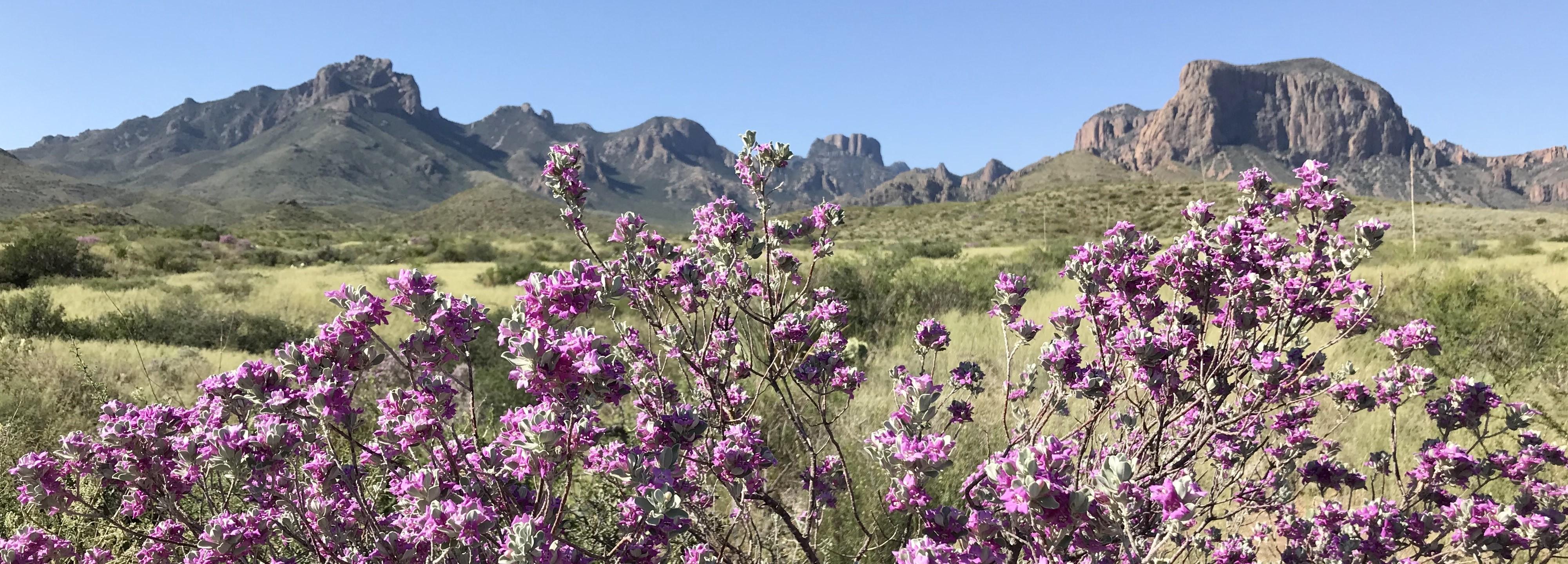
The two national parks in Texas are Big Bend and Guadalupe Mountains, a pair of remote, rugged West Texas landscapes that reward travelers willing to drive far from the nearest city. Big Bend wraps around a great curve of the Rio Grande with canyons, desert, and mountains all in one park, while Guadalupe Mountains protects the highest peak in Texas and a fossilized ancient reef. Together they showcase why Texas hides some of the most dramatic scenery in the American Southwest. This guide covers both parks, when to visit, and how to build a wider Texas road trip.
How many national parks are in Texas?
Texas has two national parks: Big Bend National Park and Guadalupe Mountains National Park, both in the far western part of the state. They sit within a few hours of each other, which makes a combined trip natural despite their isolation. The state also has national seashores, historic sites, and preserves, but these two are its only full national parks. Start with our Texas national parks guide and the Big Bend National Park page to plan your route.
What is there to do in Big Bend National Park?
Big Bend is enormous and wonderfully varied. Hike the Chisos Mountains up to the Window and Emory Peak, paddle or gaze up at the walls of Santa Elena Canyon, and soak in desert hot springs beside the Rio Grande. Stargazers come for some of the darkest skies in the Lower 48, and spring brings blooming cactus and cottonwoods. The park spans more than 800,000 acres, so give yourself at least two or three full days to do it justice. Distances inside the park are long, so fuel up and carry plenty of water before setting out.
What is there to do in Guadalupe Mountains National Park?
Guadalupe Mountains is a hiker's park, crowned by Guadalupe Peak, the highest point in Texas at 8,751 feet. The strenuous trail to the summit is a bucket-list climb, while McKittrick Canyon dazzles with fall color in late October and early November. Rangers recommend starting the peak hike early to beat afternoon wind and heat. The park preserves a Permian-era fossil reef, and its trails range from easy nature walks to demanding backcountry routes. See the Guadalupe Mountains National Park page for trail details.
When is the best time to visit Texas national parks?
Fall through spring is ideal for both parks, with comfortable temperatures for hiking; summer in the desert is punishing and can be dangerous. Big Bend is especially popular over spring break and Thanksgiving, when lodging and campsites fill fast. Guadalupe Mountains draws crowds during the brief fall-foliage window in late autumn, so plan ahead and arrive early on weekends to secure parking.
How do you plan a Texas national parks road trip?
Fly into El Paso or Midland, then loop south to Big Bend and back through Guadalupe Mountains, adding nearby Carlsbad Caverns just over the New Mexico line for underground grandeur. Gas stations and cell coverage are scarce between the parks, so top off the tank and download offline maps. Book lodging and campsites well in advance, carry an America the Beautiful pass, and check the current-year rules for backcountry permits and road conditions. Consider the Carlsbad Caverns National Park add-on too.
FAQ
How many national parks does Texas have?
Texas has two national parks, Big Bend and Guadalupe Mountains, both in West Texas. Check the current-year rules for entrance fees and permits before visiting.
Which Texas national park is better for first-timers?
Big Bend offers the most variety, with canyons, desert, mountains, and a scenic river, making it the better pick for first-timers. Guadalupe Mountains is more focused on serious hiking and fall color.
Can you visit both Texas national parks in one trip?
Yes. Big Bend and Guadalupe Mountains are within a few hours' drive, so many travelers combine them, often adding Carlsbad Caverns in New Mexico for a rewarding multi-day loop.