
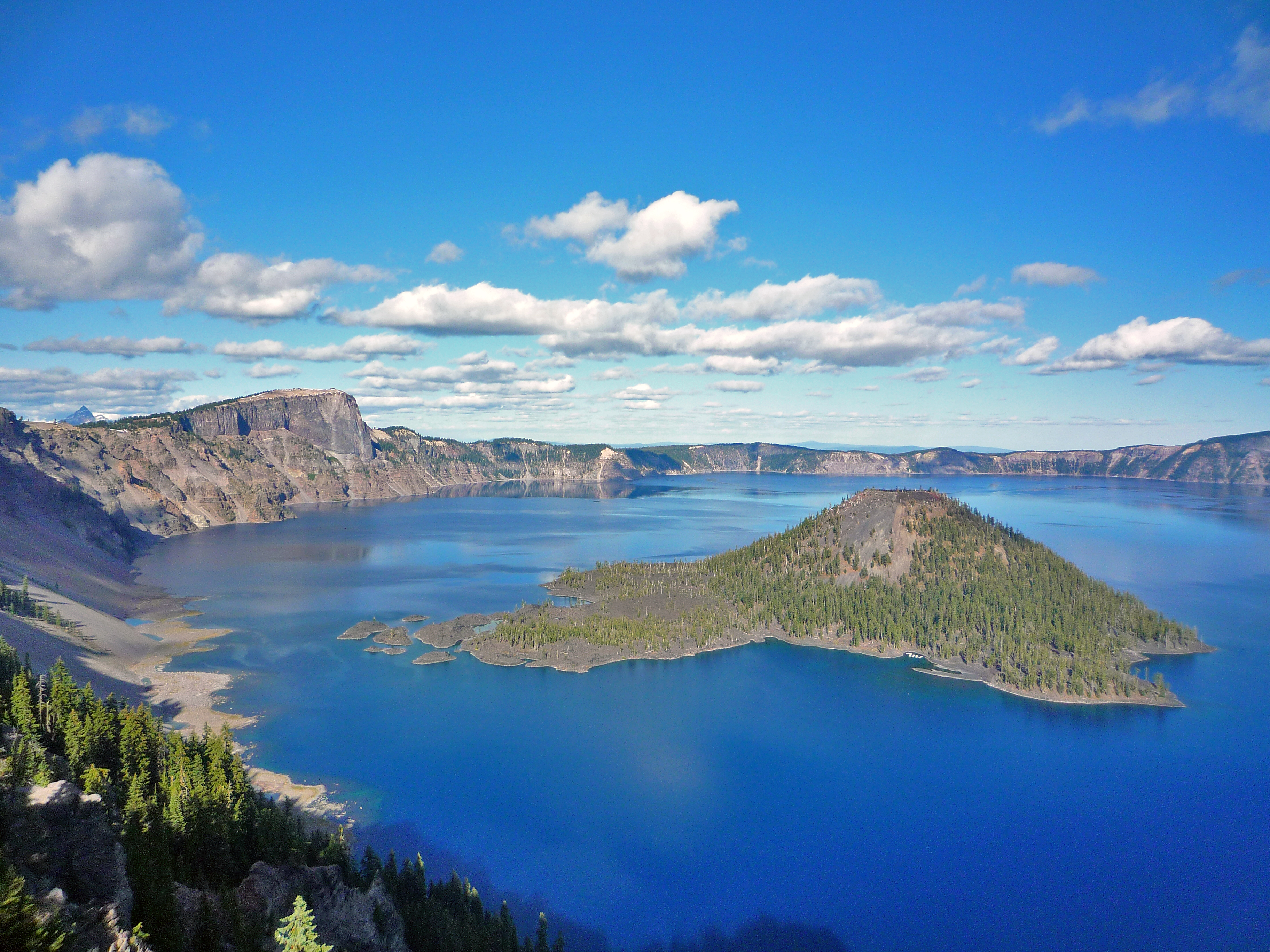
The national parks in Oregon center on Crater Lake National Park, the state's only full national park and one of the most breathtaking sights in the Pacific Northwest. Oregon rewards travelers with the deepest lake in the United States, cinder cones, old-growth forests, and a volcanic landscape unlike anywhere else. This guide covers Oregon's park, how to reach it, the best time to visit, nearby public lands, and what to see first.
How many national parks are in Oregon?
Oregon has one designated national park, Crater Lake National Park, along with several national monuments, historic sites, and scenic areas managed by the National Park Service. Located in the southern Cascade Range, Oregon's marquee park anchors a region full of volcanic wonders. Nearby states like California and Washington add more parks within a day's drive, making Oregon a strong base for a wider Pacific Northwest road trip.
What makes Crater Lake special?
Crater Lake formed roughly 7,700 years ago when the volcano Mount Mazama erupted and collapsed, leaving a caldera that slowly filled with snowmelt and rain. The result is a lake nearly 1,950 feet deep, famous for its impossibly blue water and stark clarity. A visit to Crater Lake National Park centers on the 33-mile Rim Drive, which circles the caldera and delivers viewpoint after viewpoint of the sapphire water and Wizard Island rising from its surface.
What can you do at Crater Lake?
Beyond Rim Drive, you can hike to the summit of Watchman Peak for sunset, descend the steep Cleetwood Cove Trail to reach the shoreline, or join a boat tour to Wizard Island in summer. Winter transforms the park into a snowshoeing and cross-country skiing destination. Whatever the season, the rim viewpoints are the heart of the experience, so give yourself time to linger and watch the light shift across the water.
When is the best time to visit Oregon's parks?
Summer, from July through September, is the most reliable window, when Rim Drive is fully open and boat tours run. Snow can linger into June and return by October, closing sections of road. Fall offers crisp air and fewer crowds, while winter brings deep snow and a quiet, otherworldly beauty. Whenever you go, check the current-year rules for road openings and closures before you leave, as Crater Lake receives some of the heaviest snowfall in the country.
What other public lands are nearby?
Within a few hours of Crater Lake you can explore Oregon Caves National Monument, Lava Beds just over the California line, and the John Day Fossil Beds to the northeast. The Cascade volcanoes, Umpqua National Forest waterfalls, and the rugged Oregon coast round out a diverse itinerary. Linking these sites turns a single-park visit into a memorable multi-day loop through the southern Cascades.
What should you know before you go?
Crater Lake sits at high elevation, so pack layers even in summer and expect chilly nights. Services inside the park are limited, so fuel up and bring food and water. Book the historic Crater Lake Lodge or nearby campgrounds well ahead, as they fill fast. An America the Beautiful pass covers the entrance fee and pays off quickly if you plan to visit other parks on your trip.
How many days do you need?
You can see the highlights of Crater Lake in a single full day by driving Rim Drive and stopping at the major viewpoints. To hike, take a boat tour, and explore nearby monuments, plan two or three days. Travelers combining Oregon with parks in California and Washington should budget a week or more for a complete Pacific Northwest adventure.
FAQ
Is Crater Lake the only national park in Oregon?
Yes, Crater Lake is Oregon's only designated national park, though the state also has national monuments, historic sites, and recreation areas managed by the National Park Service.
Do I need a reservation to visit Crater Lake?
General entry does not currently require a timed reservation, but boat tours and some facilities do, and rules change. Check the current-year rules on the National Park Service website before your visit.
Can I swim in Crater Lake?
Swimming is allowed only at Cleetwood Cove, reached by a steep trail. The water is extremely cold year-round, so most visitors simply dip in briefly if at all.