
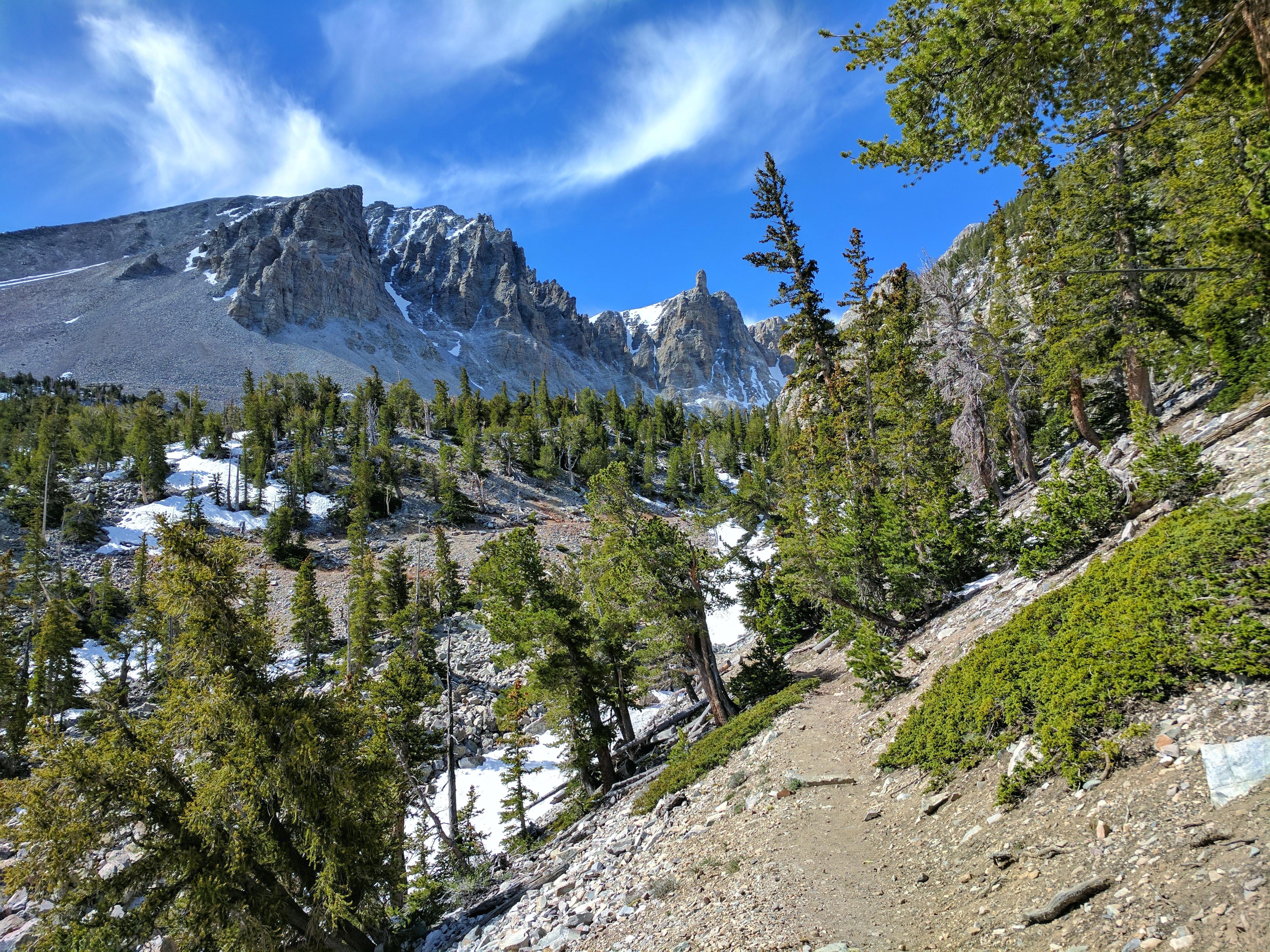
The national parks in Nevada are led by Great Basin National Park, a remote high-desert gem near the Utah border where 13,000-foot Wheeler Peak, ancient bristlecone pines, and the marble chambers of Lehman Caves reward the few who make the drive. Nevada has just one national park fully within its borders, but Death Valley spills across the state line, and world-class parks sit a short drive away. Distances are long and services are few out here, so planning ahead matters more than in most states. This guide covers what to see and how to plan a Silver State parks trip.
How many national parks are in Nevada?
Nevada has one national park entirely inside the state: Great Basin National Park in the eastern reaches near the town of Baker. A second park, Death Valley, straddles the Nevada-California border, with its eastern edge and several access roads on the Nevada side. Together they give the state a surprising range, from alpine peaks to the lowest, hottest desert in North America. Explore both on our Nevada national parks guide and the Great Basin National Park page.
What is there to do in Great Basin National Park?
Great Basin packs remarkable variety into one park. Tour Lehman Caves on a ranger-led walk, drive the Wheeler Peak Scenic Drive to trailheads above 10,000 feet, and hike to a grove of bristlecone pines, among the oldest living things on Earth. Wildlife includes mule deer, marmots, and the occasional pronghorn on the sagebrush flats below. The park is also one of the darkest places in the country, making it a premier stargazing destination with its own astronomy programs. Summer and early fall offer the best access to high-elevation roads and trails.
What other parks are near Nevada?
Death Valley National Park is easily reached from Las Vegas and offers otherworldly salt flats, sand dunes, and Badwater Basin, the lowest point in North America. To the east, Utah's Zion National Park lies about three and a half hours from Las Vegas and delivers towering sandstone canyons. Both make excellent additions to a Nevada itinerary. Compare Death Valley National Park and Zion National Park before you go.
When is the best time to visit national parks in Nevada?
Great Basin is best from late June through September, when the Wheeler Peak road and high trails are typically snow-free. Death Valley, by contrast, shines from October through April, when desert temperatures are comfortable; midsummer heat there can be dangerous. Spring and fall are the sweet spots if you want to combine both parks in a single trip without extreme weather.
How do you plan a Nevada national parks road trip?
From Las Vegas, loop toward Death Valley first, then head north and east across the state to Great Basin, adding Zion or other Utah parks if time allows. Fuel up often, as services are sparse in eastern Nevada, and cell service is unreliable across much of the route, so download maps before you leave. Book Lehman Caves tours ahead, carry an America the Beautiful pass, and check the current-year rules for cave tours and seasonal road closures.
FAQ
How many national parks does Nevada have?
Nevada has one national park fully within the state, Great Basin, plus a share of Death Valley National Park, which crosses the Nevada-California line. Check the current-year rules for access and fees.
Is Great Basin National Park worth visiting?
Yes. Great Basin offers caves, alpine hiking, ancient bristlecone pines, and some of the darkest night skies in the country, all without the crowds of better-known parks. It rewards travelers willing to make the remote drive.
What is the closest national park to Las Vegas?
Death Valley National Park is the closest, about two hours from Las Vegas, followed by Zion in Utah. Great Basin is a longer haul across the state but well worth the trip.