
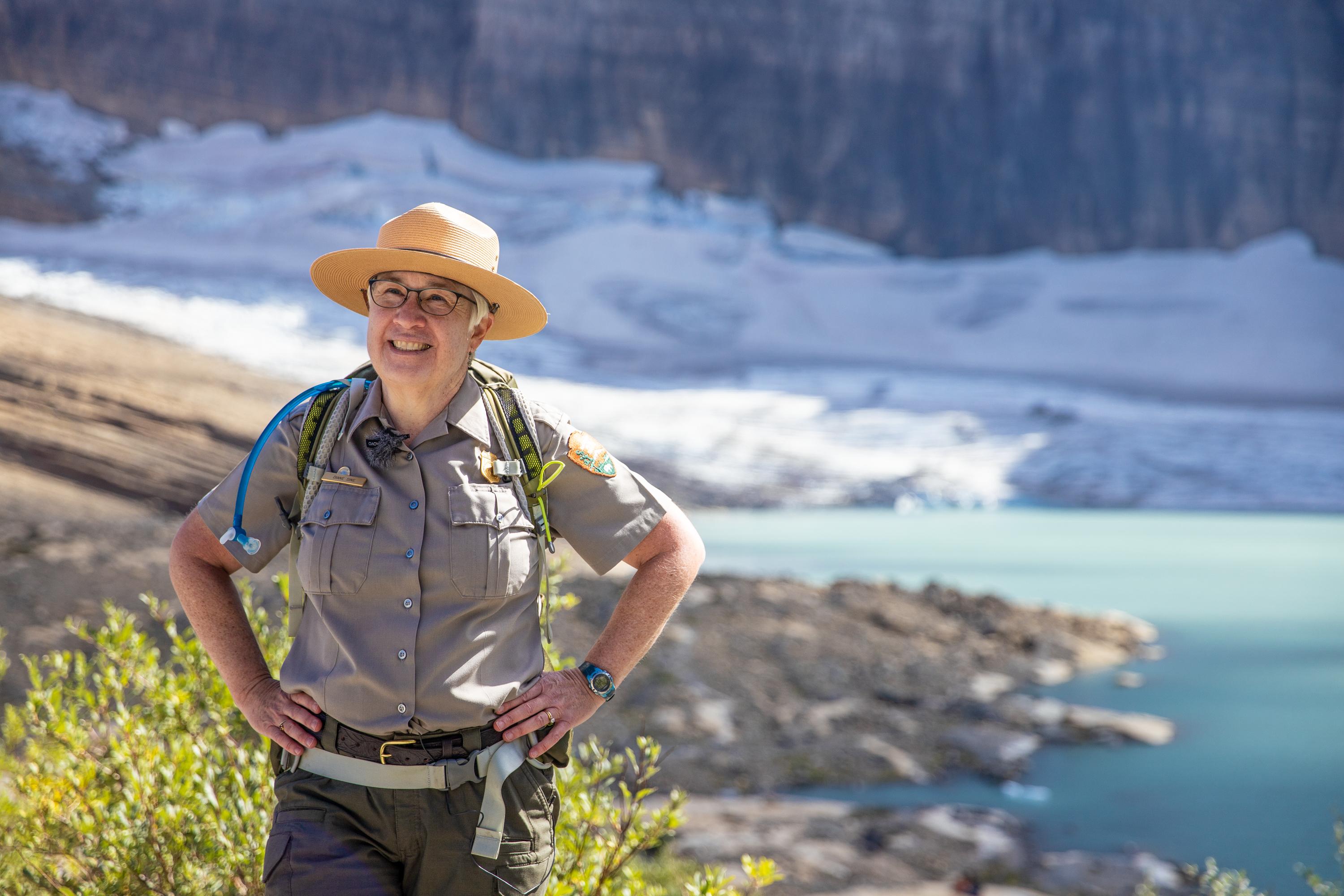
The national parks in Montana are Glacier National Park and Yellowstone National Park, two of the most spectacular wilderness destinations in the United States. Montana is the northern gateway to the Rocky Mountains, offering alpine lakes, glacier-carved valleys, geysers, and abundant wildlife. This guide covers each park, how to reach them, when to visit, and what to see so you can plan the ultimate Big Sky Country trip.
How many national parks are in Montana?
Montana is home to Glacier National Park in the north and shares Yellowstone National Park along its southern border with Wyoming and Idaho. Three of Yellowstone's five entrances lie in Montana, making the state a natural base for exploring both parks. Together they protect millions of acres of mountains, forests, and grasslands teeming with bears, wolves, elk, and bison.
What is there to do in Glacier National Park?
Glacier National Park is famous for the Going-to-the-Sun Road, a 50-mile engineering marvel that crosses the Continental Divide at Logan Pass. Hikers flock to trails like Highline and Grinnell Glacier, while paddlers explore Lake McDonald and Many Glacier. A visit to Glacier National Park rewards you with turquoise lakes, hanging valleys, and some of the best wildlife viewing in the lower 48. Summer is short here, so plan around the road's opening date.
What makes Yellowstone special?
Yellowstone National Park is the world's first national park and sits atop an active supervolcano. Its geothermal wonders include Old Faithful, the Grand Prismatic Spring, and thousands of bubbling hot springs and mud pots. The Lamar and Hayden valleys offer front-row seats to wolves and bison. Entering Yellowstone National Park from Montana gateways like Gardiner or West Yellowstone puts you close to the action from the moment you arrive.
When is the best time to visit Montana's parks?
Summer, from late June through early September, is the prime window, when high-elevation roads are open and trails are clear of snow. Fall brings golden larches and thinning crowds, while spring offers baby wildlife and rushing waterfalls. Winter transforms both parks into snowy wonderlands with limited access. Whenever you go, check the current-year rules for road openings, vehicle reservations, and closures before you set out, as conditions change every season.
What should you know before you go?
Montana's parks are vast and remote, so fill your tank, carry bear spray, and store food securely. Book lodging and campsites months in advance, since in-park options are limited and fill quickly. An America the Beautiful pass covers entrance fees at both parks. Cell service is spotty, so download maps ahead of time and give yourself extra hours for long mountain drives between destinations.
FAQ
Can I visit both Glacier and Yellowstone in one trip?
Yes, though they are roughly a full day's drive apart. Many travelers spend three or four days in each and link them with a scenic route through central Montana. Plan at least a week to enjoy both without rushing.
Do I need a reservation for Glacier?
Glacier has used vehicle reservation systems for popular corridors in recent summers, and the rules change annually. Check the current-year rules on the National Park Service website before your visit so you can secure any needed permits in advance.
Which Montana park is better for wildlife?
Both are excellent, but Yellowstone's Lamar Valley is often called the Serengeti of North America for its wolves and bison, while Glacier is a stronghold for grizzly bears and mountain goats.How many days do you need in Montana?
To experience both parks without rushing, plan for at least seven days in Montana. Give Glacier three to four days to drive Going-to-the-Sun Road, hike a signature trail, and relax by Lake McDonald. Devote another three or four days to Yellowstone's geyser basins, waterfalls, and wildlife valleys. Add a day of driving between them and a buffer for weather, and you have a bucket-list Rocky Mountain road trip that showcases the very best of Big Sky Country from alpine peaks to steaming geothermal wonders.